Habitat restoration

THe Problem

Habitat loss is the number one cause of decline in bird abundance and species diversity. As we have developed the Bay Area for human uses, there’s not much remaining for our bird and wildlife neighbors. What does remain is often full of invasive and introduced plants, polluted, and fragmented.

The SOlution

With your help we can enhance the habitat potential of our shared public parks and open spaces!

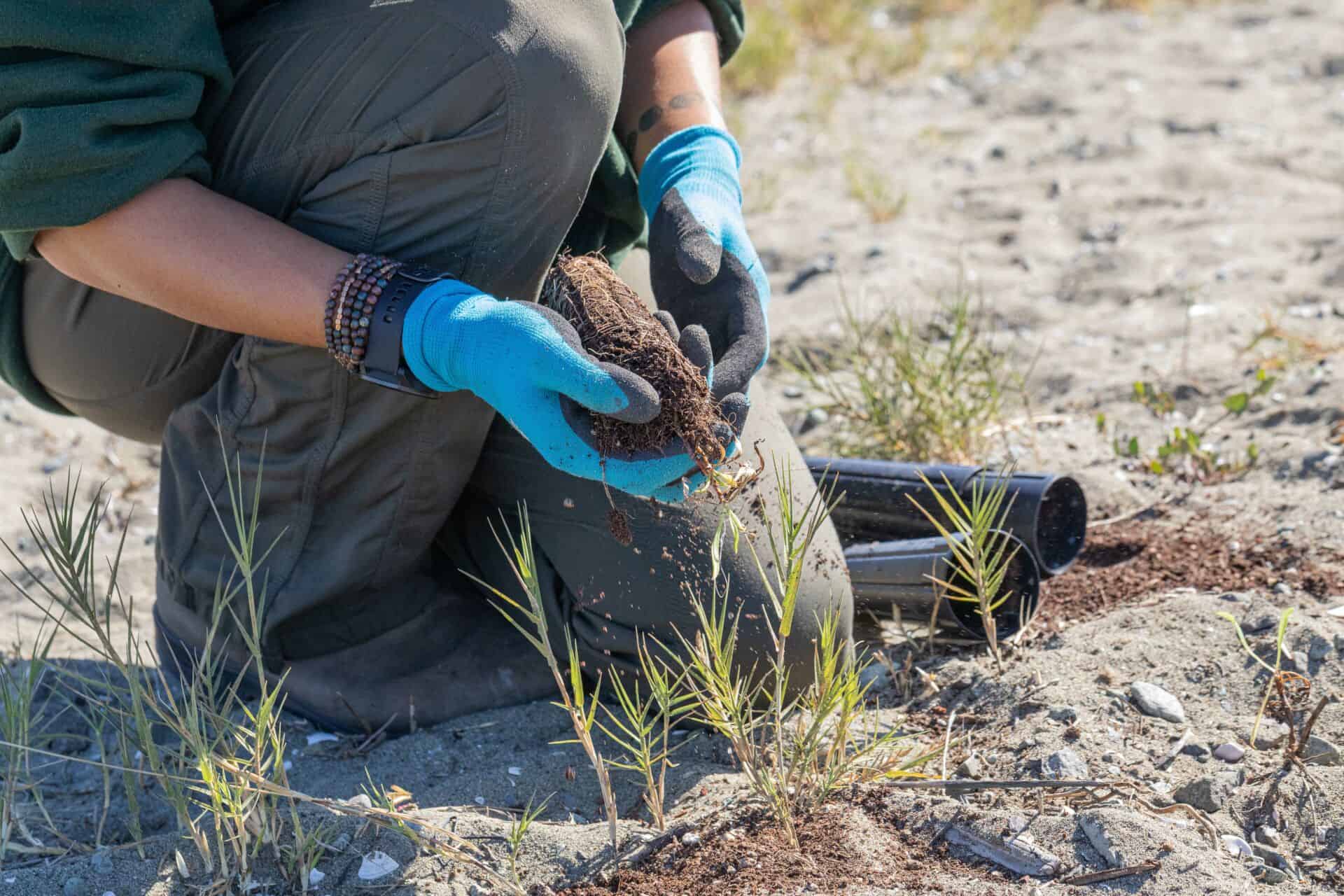
By removing invasive plants, planting ecosystem appropriate plants, and removing trash, we can create better bird habitat.

No previous experience necessary! We provide the tools, gloves, and training. Bring your willingness to get your hands dirty and put in a little work for our bird neighbors.

Golden Gate Bird Alliance hosts 5 regular monthly work days at the locations outlined below. Click Here to register and find upcoming events.
Where we work

Learn more about each of our regular habitat restoration sites

Pier 94 Wetland is the small but mighty piece of shoreline that could. Owned by the Port of San Francisco and managed by Golden Gate Bird Alliance, over the course of two decades our volunteers have converted this little segment of southeast San Francisco coastline from an industrial dumping ground to a 9-acre sliver of green tidal marsh that attracts both humans and birds alike. The site includes intertidal, subtidal, and upland areas and lies at the mouth of the Islais Creek. The intertidal ponds are ringed with Pickleweed, California Sea Lavender, Alkali Heath, Salt Grass, Marsh Gumplant and the Endangered California Suaeda, favored host plant of the endangered Western Pygmy Blue butterfly. The ponds are home to crustaceans and other invertebrates that attract local and migrating birds. Black Oystercatchers hunt along the rocky parts of the shoreline, while the sandy shores host Bembic Wasps that prefer hard damp sand for their ground nests. 

Native shrubs found in the uplands include Coyote Bush, California Sagebrush, Toyon, California Coffeeberry, and native forbes like Soap Plant, Coast Buckwheat, Common Yarrow, Common Aster and California Mugwort. Red-winged Blackbirds, White-crowned Sparrows, and Anna’s Hummingbird nest in the uplands. The transitional zone between the uplands and intertidal zone is home to California Poppy, Lizard Tail, Silvery Beachweed and Beach Sagewort. Native bees, dragonflies and the occasional Coyote visit. Because this site is small, any damage can have a big impact.

Join us for a monthly habitat restoration work day where you can help with invasive species removal, planting native plants, and removing trash and debris. This site is one of the Regionally Advancing Living Shoreline pilot sites and we are designing new intertidal and subtidal elements to enhance the wetland. Learn more about the history and the new project on our Living Shoreline page. Plus, in the fall of 2026 we will be restoring a small portion of the uplands to a native meadow using a sheet mulching technique, thanks to a grant from the California Academy of Science’s Reimagining San Francisco Rapid Response Fund. This project is also made possible by our partnership with Literacy for Environmental Justice. Check out the Events and Registration page (button on the right) to register to join us for our big sheet mulching event!

Martin Luther King Jr. Regional Shoreline Park (MLK Shoreline) is a 749 acre urban wetland park in East Oakland. MLK Shoreline is the home of Arrowhead Marsh. Formed by sediment deposited from a Lake Chabot damn breach, down the San Leandro river, Arrowhead represents one portion of the remaining 10% of Original Shoreline marsh undeveloped since before the goldrush (1848).

MLK Shoreline Park is bisected by 4 creeks that flow into San Leandro bay. And each one of them has storm drains connected to them. These storm drains are a major source of the pollution that can be seen along the shoreline. Our work is never done keeping trash and debris out of the sensitive tidal marshes.

MLK Shoreline and Arrowhead Marsh is managed by East Bay Regional Park District on land owned by the Port of Oakland. It rings the San Leandro Bay and encompasses upper, middle and lower elevation marsh zones. There are a number of activity fields and picnic areas, miles of trails and restrooms. Located near the Oakland Airport, MLK Shoreline is also the site of New Marsh, a 73 acre restored wetlands made possible by the advocacy efforts of Golden Gate Bird Alliance along with a number of other environmental organizations.

Habitat restoration is needed at this site to help with erosion control, vegetation barrier and high-tide protection for the endangered Ridgway’s Rail along with a number of other sensitive marshland birds and plants. And because MLK Shoreline is a coastal park, sea level rise makes it critically important to restore and maintain the marsh vegetation which can act as a buffer for the marsh and our existing infrastructure.

Heron’s Head park in San Francisco is a coastal marsh oasis sitting just south of Pier 94 Wetland. The land is owned by the Port of San Francisco and managed by San Francisco Recreation and Parks Department. This tidal wetland has a similar ecology to the Pier 94 Wetland, with a large tidal marsh ecosystem (8 acres) and some uplands. Some of the native plants found there include: Coyote Bush, Coffeeberry, Toyon, California Poppy, Blue fescue, Grindelia sp., Spartina, California Sea Lavender, and Fleshy Jumea.

Heron’s Head Park is composed of landfill from 1970 -1977. Originally slated to become a Shipping Pier and eventually the anchor point of a new SF to East Bay bridge, that idea was abandoned when a key player dropped out. Left inactive for 2 decades, nature crept back in. In 1998 the Port of San Francisco began a major project to renovate the shoreline and make it more accessible to the people of San Francisco. After much toil and effort working with partners including, Literacy for Environmental Justice and Environmental Science Associates, “Heron’s Head Park” was officially opened in 1999.

In addition to the marshlands, Heron’s Head is the site of the EcoCenter, a LEED Platinum certified building and a gathering place for events, presentations and educational experiences, and a nature themed playground. Heron’s Head is a great example of what ecologically focused habitat rehabilitation can achieve. It is also a popular shoreline park, therefore looked to for modeling natural habitat resilience and resistance to coming Sea Level Rise. More recently, the Port of SF contracted environmental consulting firm ESA to design and implement the Heron’s Head Park Shoreline Resilience Project.

North Lake is a jewel in the chain of lakes found in Golden Gate Park, San Francisco. With its gentle, sloping shoreline and encircling legacy willow and cattail stands, most passers-by miss this small, almost-hidden lake. Despite its size, the lake and its native riparian plants attract hundreds of species of birds including breeding Allen’s Hummingbirds, Common Yellowthroat, raptors, and woodpeckers. It is also a hot spot for migrating warblers and other songbirds, making their way up and down the California Coast on migration.

Since 2021, Golden Gate Bird Alliance has been hosting a monthly habitat restoration event in partnership with the SF Recreation and Parks Department. Our volunteers remove non-native plants and replace them with appropriate native plants such as Pacific Ninebark, Creek Dogwood, Seep Monkeyflower, Native Rush, as well as Flowering Currant, Twinberry, Ceanothus, Douglas Iris and Common Yarrow. Planting these often under-recognized native plants and forbes will help to move this little gem of a lake toward a more natural ecosystem, in the midst of San Francisco’s urban landscape.

Golden Gate Park’s Bison Paddock is home to a herd of American Bison in the middle of Golden Gate Park. Such a large animal has a heavy influence on its biotic community so the paddock is a well-grazed, open grassland and coastal scrub biome, which attracts birds like White and Golden-crowned sparrows, Western Bluebirds, Tree Swallows and Brewer’s Blackbirds, as well as Red-tailed and Red-shouldered Hawks.

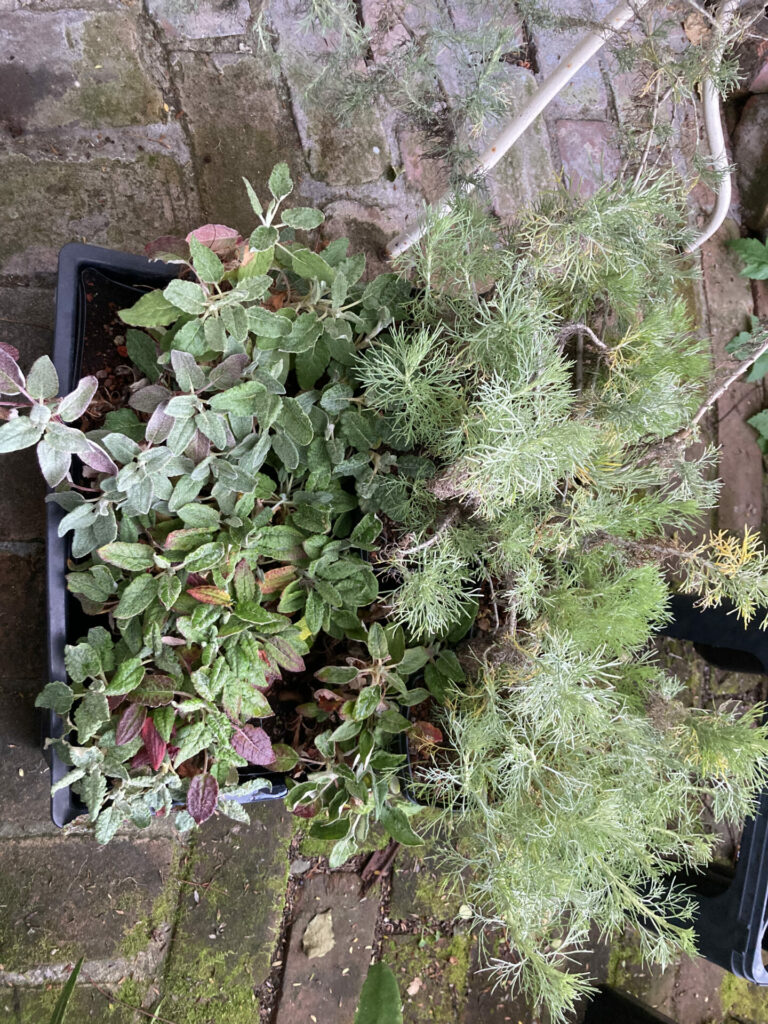
Golden Gate Bird Alliance stewards a perimeter garden, in partnership with SF Recreation and Parks Department, just outside the Paddock. We plant bird friendly, sun loving natives some of which occur in coastal scrub like Coyote Bush, Sagebrush, Ceanothus, Bee Plant, Blue-eyed grass and Evening Primrose. Because this area is heavily trafficked, it also offers opportunities to introduce the public to native birds and plants.