Owling GUide

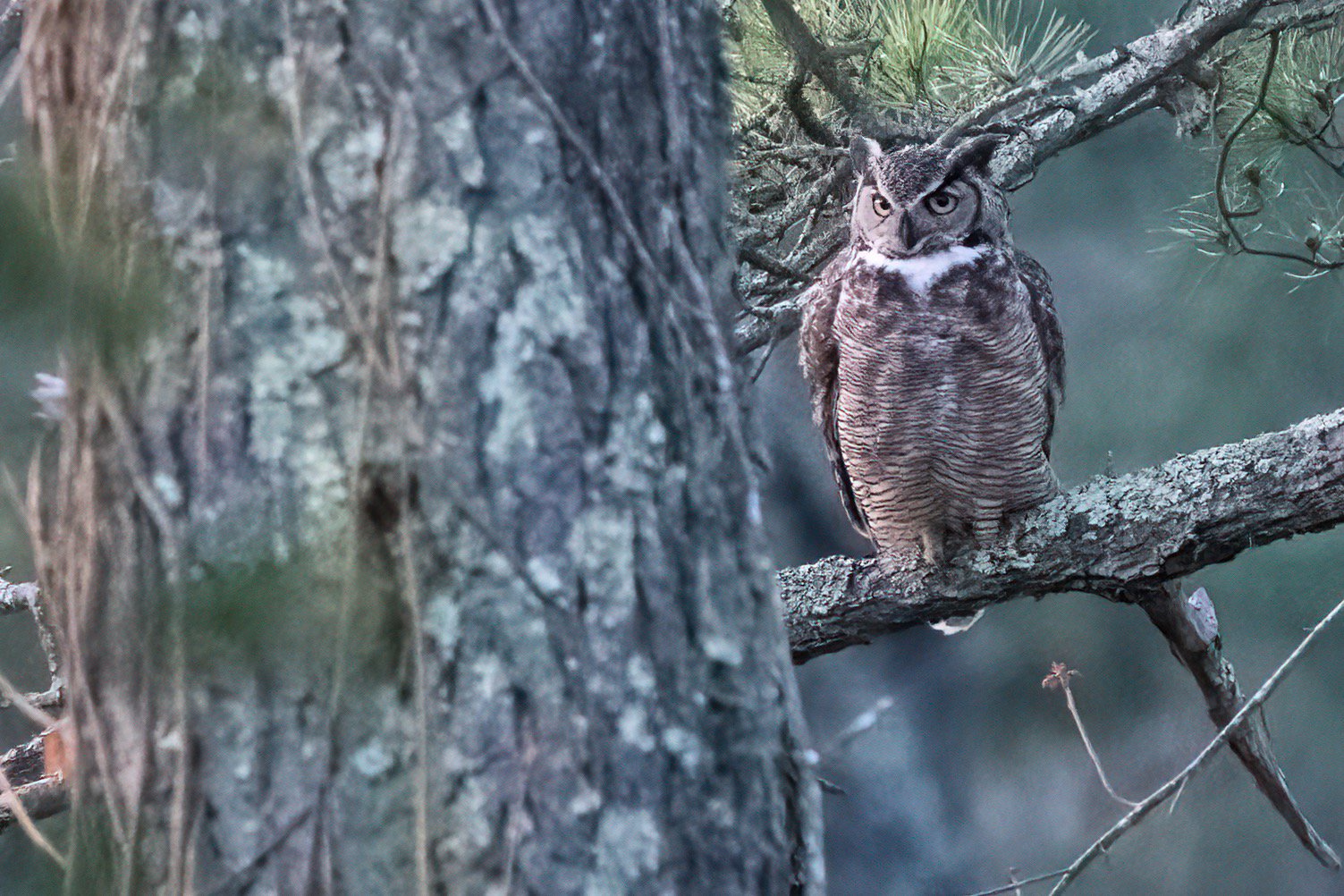
Great Horned Owl / Tara McIntire

Owls are charismatic creatures, fascinating folks who are lucky enough to observe them. When spotting an owl, it is natural to want to get closer, snap a photo, linger a bit and, of course, tell your friends!

THe Problem

However, all these actions could potentially stress out owls. Here are recommendations on how to admire owls from afar while minimizing disturbances (and stressors). Due to their nocturnal nature, owls are even more sensitive to human impacts than other bird families.

The SOlution

Here are recommendations on how to admire owls from afar while minimizing disturbances (and stressors).

View REspectfully

We love owls but owls don’t necessarily love us (too close, that is)! View owls from afar, using binoculars, a spotting scope and/or telephoto lens. You’re too close if you can snap a photo with your cellphone.

When visiting an owl, keep your visit short. Our presence is disruptive and owls can only truly relax once we’re gone.

A relaxed owl is not paying attention to you. An owl preening or resting on a branch with ear tufts and eyes lowered is relaxed. And a sleeping owl–the most relaxed!

An alert (read: stressed) owl has eyes wide open, ear tufts erect, may be bobbing and looking around, ready to take flight. If an owl is looking at you, that is a sign to leave!

Frequent feedings can lead owls to lose their healthy fear of humans, and become dependent on unnatural food sources. This rarely leads to anything good for any native wildlife!

In addition to being rude, studies have shown that light flashes diminish an owl’s night vision for a period of up to 5 minutes after exposure.

Keep Quiet

Sudden movements and loud noises can be stressful for anyone, not just owls! When near known roosting or nesting areas, lower your voice. After all, during the day, owls are trying to get some shuteye after a long night hunting rodents and other critters!

Although we think our dogs are cute, owls instinctively view dogs as predators and the sight of them, especially off-leash, can be very stressful!

Since we don’t speak owl, we don’t want to say anything we shouldn’t! Owl calls can be provocative, especially since owls are territorial and may come looking for the source of the call. Have you ever seen the talons on a Great Horned Owl? You definitely don’t want to summon a territorial owl to you!

Give Owls Privacy

I know, this is a hard one! When you see an owl, you want to share this magical discovery with others. But folks tend to flock to owls and crowd around them, disrupting their peace and rest. The best thing you can do for an owl is keep their location a secret. And when the secret’s out? Tell folks about the tips on this page.

Crowds around an owl nest or roost can also communicate to other animals, like crows, that there is something of interest, opening the owls up to harassment and mobbing.

Best practice is to wait a bit after spotting the owl before posting and to obscure the location. Be careful when posting photos, make sure no location identifying details can be discerned. Remember, we want to keep an owl’s roosting or nesting location secret if we can or limit to a few folks. We definitely don’t want to alert the bird paparazzi! Wait 7 days to keep your submission off Needs Alerts and Rare Bird Alerts, or wait until after the breeding season for sensitive nests.