CEQA Saves Birds
by Whitney Grover
CEQA In a Nutshell
If you’ve heard of CEQA (pronounced “see-kwa” by those in-the-know) you may have also heard that it ties up developments in frivolous and onerous lawsuits. You may have read a blog proclaiming it as a tool for the NIMBYs, keeping California from renewable energy and affordable housing. In the deluge of attacks on this law, from op-eds to the latest CEQA reform bills passed by our state legislature, I hope you have also read about its power to protect the environment. It is by no means perfect, but before we dramatically change it, we should understand why it was created and how it protects California’s ecosystems and incredible biodiversity, including birds and human health.
The California Environmental Quality Act (CEQA) was passed in 1970, just after the federal National Environmental Protection Act (NEPA) and just before the creation of the Environmental Protection Agency (EPA) that same year. Also that year, the Clean Air Act was passed at the federal level and the first Earth Day event was held. Within a few short years, the United States would go on to pass more federal bipartisan bills with the Clean Water Act (1972) and Endangered Species Act (1973). It’s hard to imagine now but people were united in the fight against environmental devastation and pollution. The Endangered Species Act passed in the senate 92 to zero, 392 to 12 in the house, and signed into law by Richard Nixon. My Millennial brain can’t even… Anyway, the stage was set for CEQA, we had a revolution in the hearts and minds of Americans and we all agreed it was time to protect our air, water, and biodiversity, even if it costs time and money.
The purpose of CEQA is to thoroughly understand the impacts of a project before it is built, and then mitigate the worst impacts wherever feasible. The law does not mandate or stop any part of the development, but rather employs a thorough protocol and open public process to study and report potential impacts. In the original text, CEQA was applied to “public” projects (think projects done by a government agency or municipality) but, through a decision by the California Supreme Court in 1972, it was ruled to apply to any project that requires agency approval, including private projects. In addition to the environmental impacts, CEQA requires that the project proponents look at alternatives to the project as well as any feasible mitigation. The best mitigative action will be required, and the lead agency will monitor and track any mitigative measures through the project period.
Public Engagement
You can learn more about the CEQA HERE (scroll down to the CEQA 101 presentation for an overview of the steps), but overall, it’s a straightforward process with several opportunities for public input. Golden Gate Bird Alliance participates by providing public comment on projects that have the potential to impact Bay Area birds. In 2025 and 2026 we submitted 10 letters during various stages of the CEQA process, giving our feedback and expertise on birds and their habitat. Having this transparency is critically important for the public to understand what is happening in our neighborhoods and have the opportunity to engage.
So what’s the catch, why all the criticism? Where it gets hairy is in the courts. Anyone can sue the project proponent or the agency when they believe the statute has not been followed. This is a double-edged sword. In some cases there are very serious concerns: inadequate study of impacts or mitigative measures, poorly prepared Environmental Impact Reports, inadequate implementation or enforcement of mitigation, etc. In those cases, having the power to hold the project or the agency accountable is an incredibly important part of the process.
Using CEQA to Protect Birds
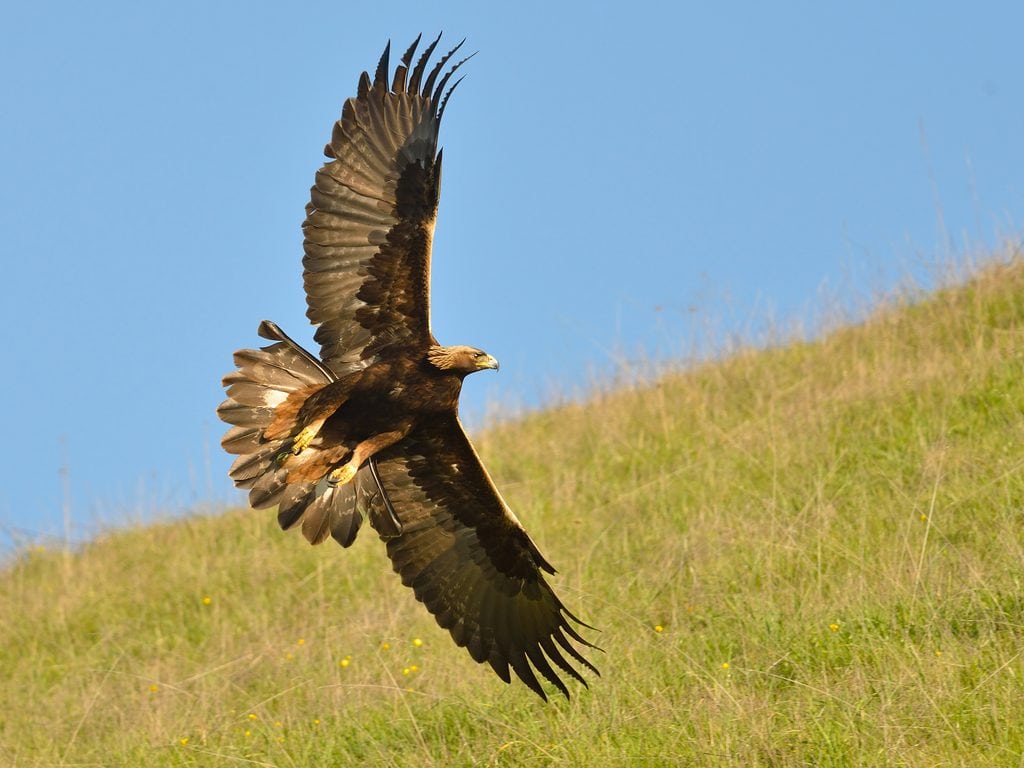
In very rare cases, Golden Gate Bird Alliance has sued project proponents or agencies under CEQA, and the results have always been greater protections for birds, without stopping the project altogether. In 2010 several Audubon chapters, led by GGBA, came to an agreement with NextEra energy company in the Altamont Pass. Despite a 2007 settlement agreement, it was found that there had not been a reduction in the number of birds killed by the turbines. NextEra agreed to upgrade all their turbines to fewer larger, more modern, and less deadly, turbines by 2015 and pay a mitigation amount of $2.5 million. Half of that money went to the acquisition of key properties by the East Bay Regional Park District (EBRPD) for conservation and half went to research so we can better understand how to protect birds and bats in the Altamont Pass. NextEra still operates in the Altamont, producing clean renewable energy while killing fewer birds like Golden Eagles.
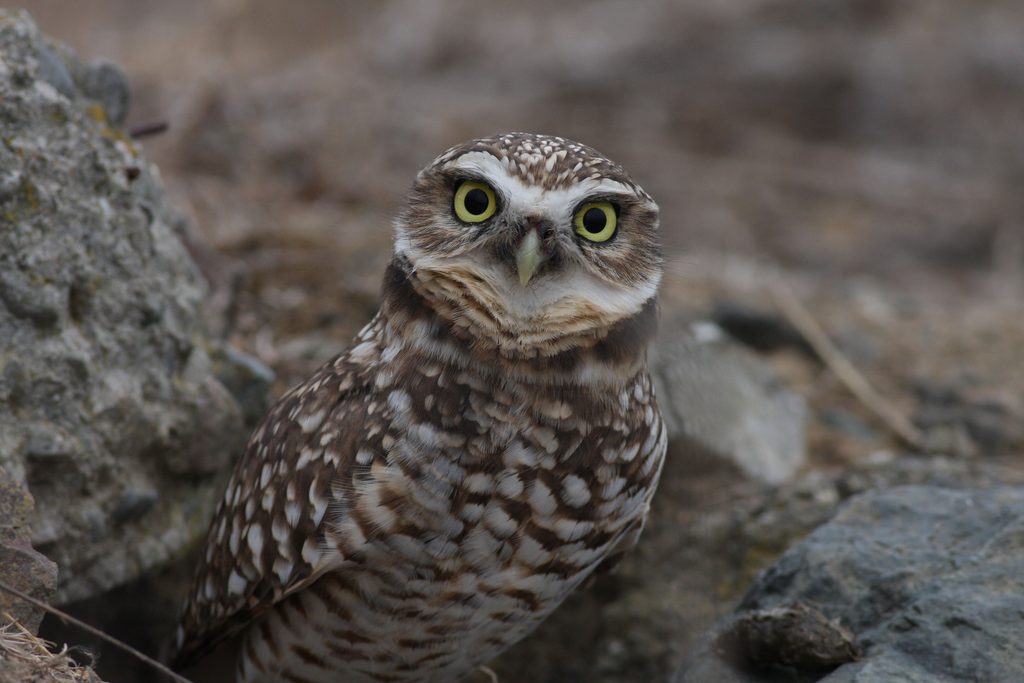
Another example led to the creation of New Marsh behind Arrowhead Marsh, now part of the Martin Luther King Jr. Shoreline. In 1986 we mounted a lawsuit against the Port of Oakland with Sierra Club, Save San Francisco Bay Association, and CALM (Citizens for Alameda’s Last Marshlands) when they planned to fill 180 acres of wetlands without completing the environmental review required by CEQA. Our victory in the Federal Court required the Port of Oakland to produce an Environmental Impact Report prior to any development actions. Later we won a settlement related to the project that required the Port to restore 73 acres of wetland, that project became the EBRPD’s New Marsh restoration project. The site is now home to the endangered Ridgway’s Rail, Burrowing Owl, and thousands of overwintering ducks, shorebirds, and gulls.
I think it’s fair to say that most of the CEQA lawsuits made by environmental organizations are not frivolous, they are a critical check on the system and, in fact, the only recourse we have when agencies drop the ball. It is also true that some CEQA lawsuits are not made in good faith. It happens, people sue when they are trying to stop or delay projects for selfish or other reasons. But our focus should be on where this Act has worked. California has cleaner air, cleaner water, and better protections for wildlife habitat because of CEQA. More of these success stories are laid out on the CEQA Works website and many more are quiet, simple, mitigating measures that made projects better.
What’s Next With CEQA?
In November we will be voting No on Proposition 45 and we hope you’ll join us. This proposition significantly weakens CEQA for certain project types. We urge you to vote no on Proposition 45. In the coming months Golden Gate Bird Alliance will follow-up on this blog with further information about how Prop 45 will change CEQA and what it will mean for California’s birds and the environment more broadly. Stay tuned!
Whitney Grover is the Director of Conservation for Golden Gate Bird Alliance. She participated in the 2019 Master Birder class and is a co-founder of the SF Bay chapter of the Feminist Bird Club.