
How to Create a Bird-Safe Backyard
by Matthew Hildebrandt
As spring rolls in, bird migration ramps up, and birds begin flying north through one of the most important migration corridors, the Pacific Flyway. Each spring and fall, roughly 1 billion birds travel through this route, passing through our homes and making the greater San Francisco Bay Area an important stop along the way.
On their journey north, migrating shorebirds and waterfowl move through our neighborhoods and local environments each year. The San Francisco Bay Area is recognized as an international biodiversity hotspot, providing these migrating birds with critical habitats. As a stop along the Pacific Flyway, the greater Bay Area serves as a crucial resting point where birds can fuel up and prepare for the long journey ahead. However, as California continues to grow, urban development unintentionally harms birds by removing native plants and disrupting the local biodiversity they depend on year-round.
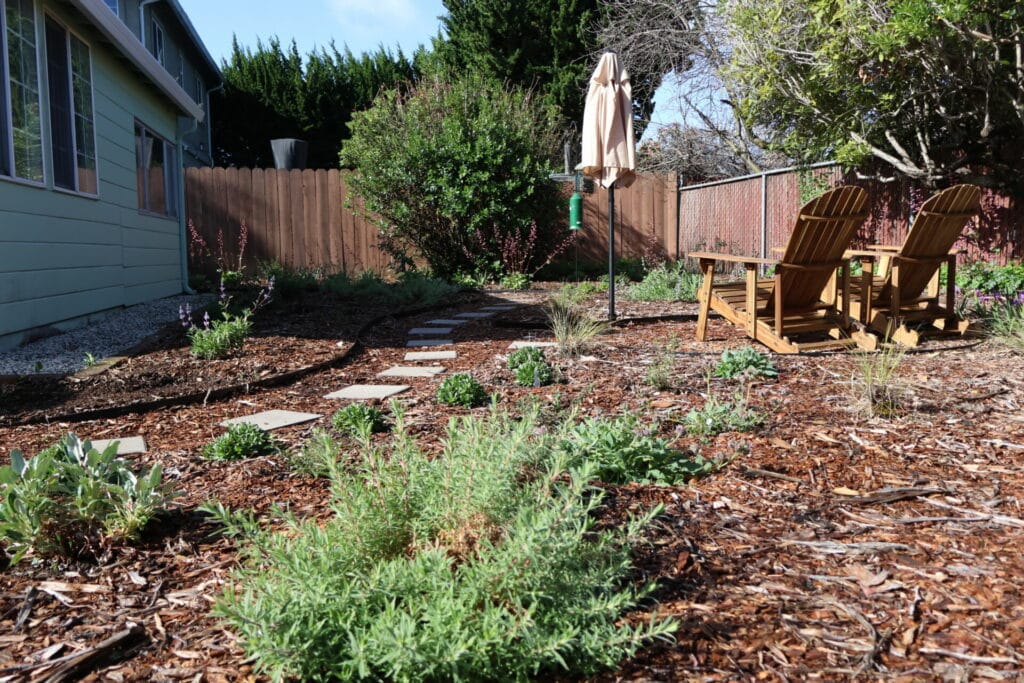
While your backyard may seem like an insignificant stop, creating a bird-friendly space can help rebuild our ecosystem and support local environments by providing food and shelter for migrating birds. As development continues to reshape the region, private outdoor spaces have become more important than ever. Yards, patios, balconies, and shared green spaces form a network of small but meaningful habitat patches. These spaces act as stepping stones, helping connect larger shorelines, parks, and open lands. For the millions of birds traveling during peak migration season, a single backyard with native plants, fresh water, and safe shelter can make a real difference.
Small, intentional changes—such as planting native California plants, reducing window collisions, and managing outdoor cats—can help transform your backyard into a welcoming refuge for these migrating birds.
Why Bird-Safe Backyards Matter
Over the last two decades, there has been a significant decline in shorebirds in the Bay Area. According to our Executive Director, Glenn Phillips, “Either they are not successfully reproducing, so they are not raising as many young as they used to, or they are dying young and they are not able to survive, and we think it’s a combination of all of those things. For some species, it is more one or the other.”
This decline highlights the importance of creating shared green spaces, not just for shorebirds, but for local and migratory species that need safe environments providing shelter, food, and fresh water. Birds are more than just beautiful creatures; they are essential to our local ecosystems and act as environmental indicators. As bird populations continue to decline, the overall health of our ecosystems begins to suffer, creating a domino effect throughout the environment.
As urban and suburban development continues to grow within the greater Bay Area, backyard conservation plays an important role in sustaining wildlife. Every year, billions of birds are injured or killed due to preventable hazards such as window collisions, predators, and unsafe outdoor environments. Common features like reflective windows, free-roaming pets, pesticides, and poorly placed feeders can turn an otherwise inviting space into a high-risk environment. This is something homeowners can control and improve to help reduce these preventable threats to both local and migratory birds.
Because of increasing urban development in the greater Bay Area, backyard conservation plays a critical role in supporting wildlife. Native plants and bird-safe practices not only support birds, but also benefit pollinators, native insects, and the broader ecosystems that help keep both local and migratory bird species safe.
How to Create a Bird-Safe Backyard
When creating a bird safe backyard this does not require a huge landscaping overhaul but rather small intentional adjustments can have far greater impacts then you can imagine. For example, adding more native plants, or repositioning bird feeders to reduce window collisions can help save thousands of birds annually.
Choose Native California Plants
California has an abundance of native plants that can make your garden look beautiful. At the end of the day, your garden is your sanctuary, it should be a place where you can relax and unwind. With the right plant choices, such as choosing native California plants over non-native species, your garden can also become a beautiful sanctuary for local and migratory bird species. More native plants means more natural sources of food and shelter that our local bird populations are already adapted to.
While there are many beautiful native plants, it goes far beyond aesthetics. Native plants have co-evolved with native insects, which are an essential food source for bird populations. Most nurseries tend to sell non-native “exotic” plants, and many of these plants have leaves that native insects cannot easily use as food. As a result, insect populations decline, which directly impacts native bird species. In fact, 96 percent of all terrestrial bird species in North America rely on insects to feed their young.
Plants such as California Coffeeberry, Toyon (Heteromeles arbutifolia), Coyote Brush (Baccharis pilularis), and Coast Live Oak (Quercus agrifolia) are all native to the greater San Francisco Bay Area. These plants provide the essential nutrients and shelter that local species rely on to thrive. By choosing locally adapted plants, supporting native plant nurseries, and participating in programs like those offered by the Golden Gate Bird Alliance, you can help create a more bird-friendly Bay Area.
Reduce Backyard Hazards
While creating a bird-safe backyard is beneficial to our local bird species, if not managed properly, it can also open the door to new potential risks. Bird feeders, for example, can spread disease, and attracting more birds to your yard can increase the risk of window collisions and exposure to predators such as cats.
Windows
One of the leading causes of bird mortality is window collisions. New studies suggest that window collisions are responsible for over 1 billion bird deaths annually in the U.S. Birds are unable to recognize glass, and when it reflects the sky or surrounding vegetation, it can appear as open habitat, leading to collisions. This highlights the importance of implementing bird-safe window solutions. Below are some simple steps you can take at home to help reduce window collisions:
- Keep windows slightly dirty: Having less-clean windows can reduce reflections, making the glass easier for birds to recognize and avoid.
- Window decals & stickers: A more permanent solution is applying decals or stickers spaced no more than 2 inches apart, both horizontally and vertically, to help birds see the glass.
- Tempera paint or soap: An inexpensive, long-lasting option. Similar to decals, apply in a 2×2 pattern across the window to break up reflections.
- Screens: Insect screens are very effective at preventing window collisions, as long as they are placed on the outside and cover the entire window.
Pesticides
Within the U.S., around 1 billion pounds of pesticides are used annually, found everywhere from our fruits and vegetables at local grocery stores to parks in our neighborhoods. These invisible chemicals, designed to kill invasive garden insects, can persist in the environment for years. They are not only ingested by us, but also by billions of insects, birds, and other species in our ecosystem, often harming far more than just the targeted pests.
When used in home gardens, these pesticides can have a significant impact. Not only can they directly poison birds, but they also kill the native insects that bird populations rely on to feed themselves and their young. In addition, they can harm native plant species that these insects depend on, further disrupting the ecosystem.
Some common pesticides found in home applications that we recommend avoiding include:
- Glyphosate: Found in many common herbicides and weed control products sold at local home improvement stores. Glyphosate can indirectly harm birds by killing off native plants and weeds, which reduces the seeds, fruits, and insects that many native bird species depend on for survival. It can also directly harm birds when they ingest contaminated water, seeds, or insects, potentially disrupting their gut microbiome and affecting digestion, immunity, and overall health.
- Neonicotinoids: A class of insecticides that can significantly reduce native insect populations. They can also directly poison birds that ingest treated seeds, leading to neurological issues, reproductive problems, and in some cases, death.
- Carbaryl: A broad-spectrum insecticide commonly used to control invasive pests. It reduces native insect populations, indirectly eliminating a primary food source for birds. If ingested, Carbaryl can affect a bird’s nervous system, leading to tremors, disorientation, and even death at higher exposure levels.
Lighting at night
Birds rely on natural light cues from the sun, moon, and stars to help regulate sleep, feeding, and migration. Artificial lighting can disrupt these natural behaviors and biological rhythms by sending false signals. In addition to affecting these rhythms, artificial light is also one of the biggest contributors to nighttime collisions.
Excessive artificial lighting can cause disorientation in migratory species, confusing their natural navigation cues. This can lead to birds becoming trapped in illuminated areas, circling endlessly. For native bird species, constant exposure to artificial lighting can interfere with nesting cycles, communication, and rest, directly impacting their overall health and survival.
To help reduce these harmful effects, there are several simple solutions that can be implemented. Turning off unnecessary outdoor lights at night, especially during peak migration seasons, can significantly reduce confusion and window collisions. Avoid using constant floodlights and instead opt for motion-sensor lighting. Shielding lights so they point downward can also help reduce the risk of attracting birds off their migratory paths. Additionally, participating in lights out programs can further help minimize the impact of artificial lighting on birds.
Protect Birds from Outdoor Cats
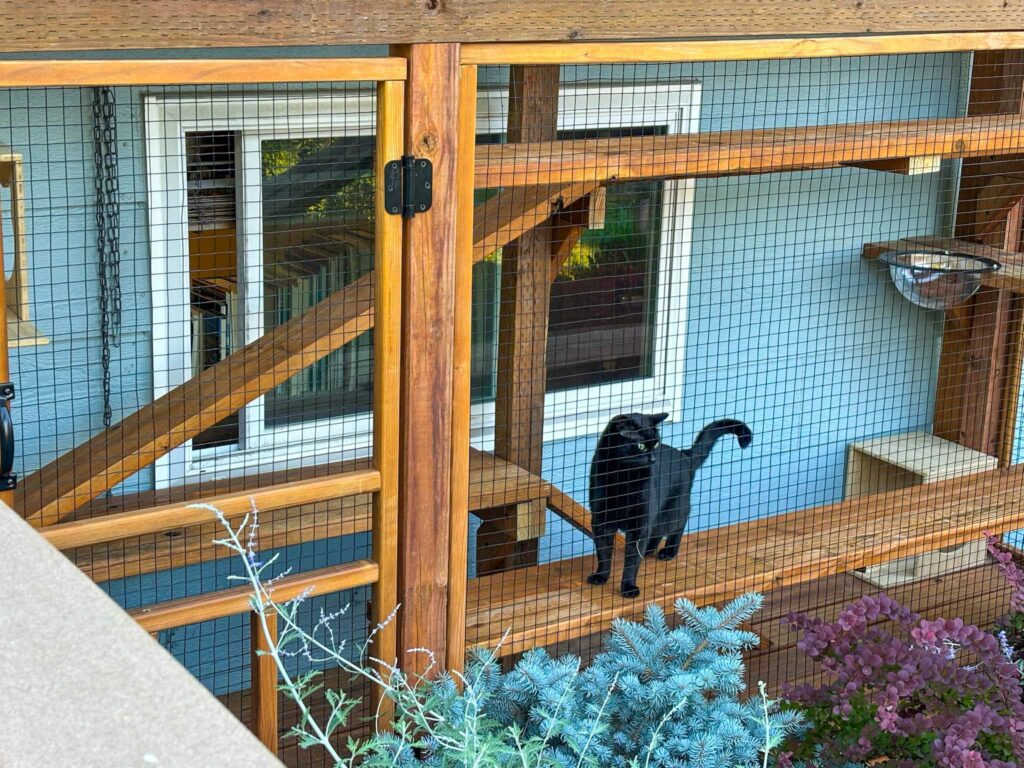
One of the most significant threats to local and migratory birds across the U.S. is cats. Outdoor cats—whether domesticated, feral, or stray—are the leading anthropogenic cause of bird mortality in the U.S., responsible for an estimated 2.4 billion bird deaths each year.
While these numbers are significant, cats are not inherently harmful animals. They are natural predators, and hunting behavior is instinctive, even well-fed, domesticated cats may still hunt birds. Recognizing the impact that free-roaming cats have on local and migratory bird populations allows communities and pet owners to take practical steps to protect birds while also improving the safety and well-being of cats.
You can help protect local bird populations by taking steps such as:
- Keep cats indoors or provide a safe outdoor enclosure (catio). Indoor cats live longer, healthier lives, and enclosed outdoor spaces allow them to enjoy fresh air while avoiding threats such as vehicles, predators, and disease.
- Avoid feeding or maintaining feral cat colonies, which can increase predation pressure on birds and other wildlife.
- Report stray or feral cats to local animal shelters, humane societies, or animal control for safe trapping and rehoming.
- Encourage neighbors to keep cats contained through community pledges or neighborhood guidelines.
- Place bird feeders and baths safely away from cover, ideally 10-12 feet from dense shrubs or fences, and use baffles, cages, or metal poles to prevent cats and other predators from reaching feeding birds.
- Educating others about keeping even one cat indoors can save hundreds of birds over the cat’s lifetime.
- Plant dense native shrubs or thorny hedges around nesting or feeding areas to make it harder for cats to approach birds unnoticed.
Creating a Lasting Impact for Bay Area Birds
Creating a bird-safe backyard may seem like a small step, but when these efforts are shared across neighborhoods and communities, the impact becomes much larger than any single space. Throughout the greater San Francisco Bay Area, backyards, patios, and shared green spaces can work together to form a connected network of safe habitats that support both local and migratory bird species along the Pacific Flyway.
By making intentional choices in your own outdoor space, you are not only helping the birds that visit your yard, but also contributing to the overall health of our local ecosystems. These small actions can also inspire others, whether it’s talking with neighbors, encouraging bird-safe practices in your community, or supporting local conservation efforts and organizations working to protect Bay Area habitats.
As migration continues each spring and fall, these safe spaces become even more important. You don’t need a large yard or a complete transformation to make a difference. Even the smallest changes can help create a safer, more supportive environment for birds passing through and those that call the Bay Area home year-round.
Matthew Hildebrandt is the Marketing Director for Cat Topia.