• Welcome to Golden Gate Birder!

    Welcome to Golden Gate Birder, the new blog of Golden Gate Bird Alliance!

    We’re fortunate to live in an area that is rich with both natural beauty and birding activity.  Peregrine Falcons nesting on downtown skyscrapers… struggles to save precious wildlife habitat in our urban environment … sightings of rare birds like last year’s Falcated Duck … and of course the field trips, conservation campaigns, bird art, Big Years and other creative birding initiatives of our members and other local bird lovers.

    It’s too much to fit into a monthly or bi-monthly newsletter!

    Thus… this blog.

    We look forward to bringing you bird-related news, insight and reflection one or two times each week – more often, of course, when there is Big Birding News.

    Make sure you don’t miss any of it! Sign up to receive Golden Gate Birder posts by email. (LINK) You’ll get each new entry automatically delivered to your email inbox.

    Meanwhile, want to get involved? We’re looking for people to write reviews of birding books, apps and equipment, as well as of their favorite local birding sites.

    If you’d like to contribute a review or other writing, please email Communications Director Ilana DeBare at idebare@goldengatebirdalliance.org.

    We look forward to celebrating the richness and beauty of Bay Area birding with you in this new format!


     …
  • CEQA Saves Birds

    by Whitney Grover

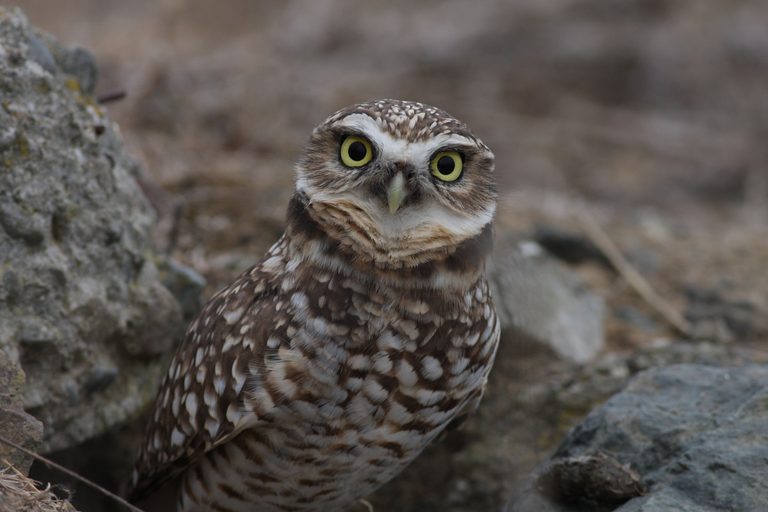
    .kb-image69359_6871e4-e1 .kb-image-has-overlay:after{opacity:0.3;} Burrowing Owl by Mary Malec

    CEQA In a Nutshell  

    If you’ve heard of CEQA (pronounced “see-kwa” by those in-the-know) you may have also heard that it ties up developments in frivolous and onerous lawsuits. You may have read a blog proclaiming it as a tool for the NIMBYs, keeping California from renewable energy and affordable housing. In the deluge of attacks on this law, from op-eds to the latest CEQA reform bills passed by our state legislature, I hope you have also read about its power to protect the environment. It is by no means perfect, but before we dramatically change it, we should understand why it was created and how it protects California’s ecosystems and incredible biodiversity, including birds and human health.

    The California Environmental Quality Act (CEQA) was passed in 1970, just after the federal National Environmental Protection Act (NEPA) and just before the creation of the Environmental Protection Agency (EPA) that same year. Also that year, the Clean Air Act was passed at the federal level and the first Earth Day event was held. Within a few short years, the United States would go on to pass more federal bipartisan bills with the Clean Water Act (1972) and Endangered Species Act (1973). It’s hard to imagine now but people were united in the fight against environmental devastation and pollution. The Endangered Species Act passed in the senate 92 to zero, 392 to 12 in the house, and signed into law by Richard Nixon. My Millennial brain can’t even… Anyway, the stage was set for CEQA, we had a revolution in the hearts and minds of Americans and we all agreed it was time to protect our air, water, and biodiversity, even if it costs time and money. 

    The purpose of CEQA is to thoroughly understand the impacts of a project before it is built, and then mitigate the worst impacts wherever feasible. The law does not mandate or stop any part of the development, but rather employs a thorough protocol and open public process to study and report potential impacts. In the original text, CEQA was applied to “public” projects (think projects done by a government agency or municipality) but, through a decision by the California Supreme Court in 1972, it was ruled to apply to any project that requires agency approval, including private projects. In addition to the environmental impacts, CEQA requires that the project proponents look at alternatives to the project as well as any feasible mitigation.…