• (POSTPONED) Bhutan – Birding, Mammals, & Monasteries 2
  • Uganda: Gorillas, Chimpanzees, and LOTS of Birds!

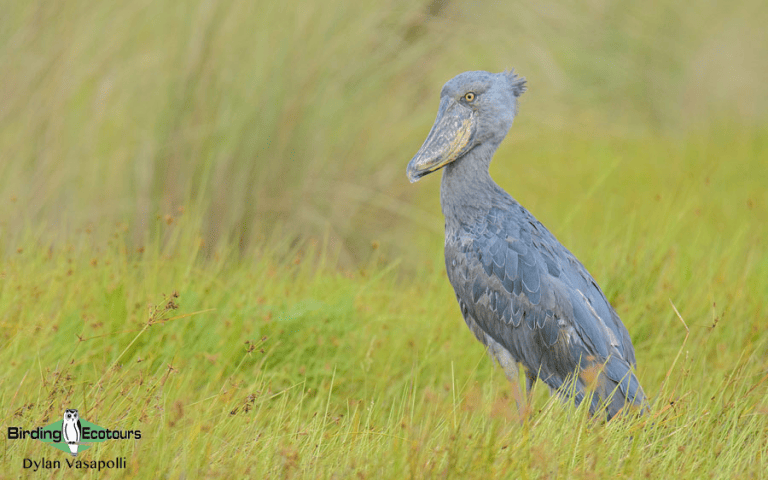
    Uganda has been called the Pearl of Africa and on this trip you’ll see why: we’ll see an amazing array of birds and mammals. We’ll also see spectacular scenery, including Bwindi Impenetrable Forest; Africa’s largest lake, Lake Victoria; and Murchison Falls where the Nile plummets 141 feet through a narrow gap of only 23 feet. We’ll also hike down into the Mubwindi Swamp where we’ll encounter many of the  Albertine Rift endemics. The trip to look for Shoebill at the Mabamba Swamp is in mokoros, small dugout canoes. Other wildlife-viewing boat trips such as on the Nile at Murchison Falls are on larger boats with cabins. The parks we’ll visit include Lake Mburo National Park, Bwindi Impenetrable National Park, Queen Elizabeth National Park, Kibale National Park, Murchison Falls National Park, and the Ziwa Rhino Sanctuary.

    Target bird species for the trip include the iconic Shoebill, Green-breasted Pitta, Great Blue Turaco, Ross’s Turaco, Red-faced Barbet, Nubian Woodpecker, Narina Trogon and the 20+ Albertine Rift endemics, including Regal Sunbird and African Green Broadbill. You can also elect to do either (or both) of two optional treks—one to search for Mountain Gorillas and the other to visit Chimpanzees. (For those who don’t choose to do these options, there will be additional birding options available.) Our other target mammal species will include Leopard, White Rhinoceros, Elephant, African Buffalo, Zebra, Eland, Hippopotamus, and a host of additional  primates, including Uganda Red Colobus, Guereza Black-and-white colobus, Grey-cheeked Mangabey, Olive Baboon, Red-tailed Monkey, and L’Hoest’s Monkey

    Cost: $9,600 per person, double occupancy; $715 single supplement. Limit 6 people

    Optional:

    • Mountain Gorilla trekking $700
    • Chimpanzee trekking $200

    Complete description and itinerary can be found GGBA Uganda itinerary.

    Email us about availability, or about any other questions, at travelprogram@goldengatebirdalliance.org

    Please do not contact the vendor first.…

  • Palm Deserts and the Salton Sea

    Greater RoadrunnerGreater Roadrunner

    On this five-day tour, explore California’s unique Mojave and Coloradan desert systems to search for specialized avifauna and other wildlife adapted to thrive in arid conditions PLUS the wildly scenic and wonderfully eccentric Salton Sea. Travel as a small group with desert-experienced nature & bird guides from Nature Trip to visit San Andreas fault Geothermal zones; High Desert, Joshua Tree habitats; Native Washington Palm Desert Oasis; the ultra-rich delta of the Imperial Valley, the incomparable Salton Sea; and Anza Borrego, California’s largest state park.…

  • Birding in Oaxaca, Mexico

    Harboring about ten percent of Earth’s biodiversity, Mexico is one of the most biologically rich countries in the world.  During this natural adventure, we’ll explore and learn about some of that richness as we travel through the valley of Oaxaca, the bordering sierras, and the lovely Pacific coast.

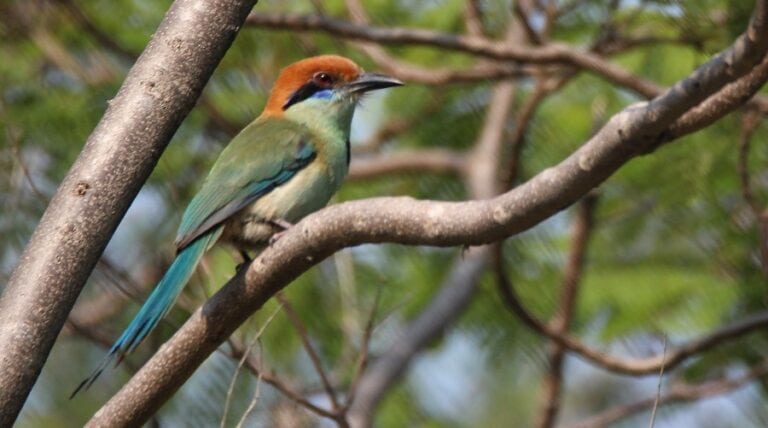
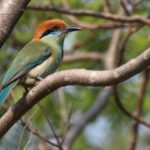
    Russet-crowned Motmot by Paul LewisRusset-crowned Motmot by Paul Lewis

    Highlights include the lush evergreen forests of the Sierra Norte and the Sierra Madre del Sur, the arid scrub of the Oaxaca valley, the Zapotec ruins of Monte Alban, and more.

    In addition to the natural wonders, a major trip highlight will be our unique and superb lodging situations.  All have warm hospitality and terrific views, and some have great birding right outside your front door.

    This trip is led by naturalist and bird guide Mark Pretti and local guide Benito Hernandez.  Mark Pretti is a long-term, much loved tour guide for GGBA.

    If you are interested in this trip, please contact Dawn from GGBA  first.  She will put you in touch with Mark Pretti.…

  • Lions and Tigers and Bears … & Birds!

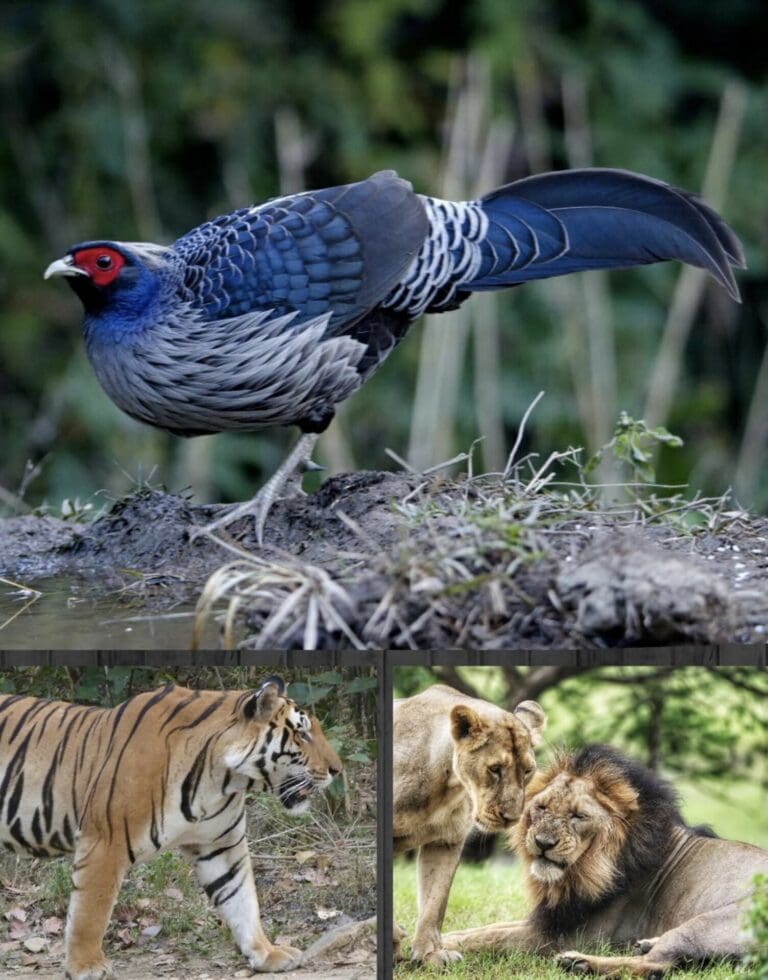
    This program is aptly named. We start in Sasan Gir National Park, the only place in Asia where lions still exist. But Gir is also home to India’s other big cats such as leopards and lesser cats such as jungle cat, rusty spotted cat etc. All targets on our morning and evening safari drives through this park. And let’s not forget the birds—250 species of birds can be found here.

    Next up is Velavadar Blackbuck National Park, a sanctuary famous for its large variety of antelope species, in particular the blackbuck, which is characterized by elegant spiraling horns that can be two-feet long in mature males. Birding is good here, too—over 265 species of birds are listed here.

    Once the former hunting grounds of the Maharajas of Jaipur, our next national park, Ranthambore, is one of the biggest and most renowned national parks in India. It’s the best place to see tigers and, if we’re lucky, we might see sloth bears also. eBird reports 330 bird species at Ranthambore.

    Our last national park is Keoladeo. Because of its varied ecosystems, India is home to 1300 bird species, including over 60 endemics. It’s a birder’s paradise, particularly in its sanctuaries where critical habitat has been preserved. The jewel of these sanctuaries is Keoladeo National Park which we’ll visit toward the tour’s end. Nearly 400 species of birds have made the National Park their home. Declared a protected sanctuary in 1971, UNESCO designated the park a World Heritage Site in 1985.

    In addition to searching for these birds and mammals, we’ll also enjoy cultural excursions to local markets and some of Rajasthan’s most famous sites: the Amber Fort in Jaipur, the world’s largest and deepest step well at Chand Baori, and, of course, the Taj Mahal.

    Check out the itinerary below. For questions or to sign up, contact Cris Heins at TRAVELPROGRAM@GOLDENGATEAUDUBON.ORG. She will put you in touch with guide Rajveer Singh. Please do not contact the trip vendor first.