• Brazil & Argentina

  • Brazil & Argentina #2

    On our 12-day tour to the Pantanal and Iguazú Falls, we’ll explore two very different ecosystems; in Brazil we’ll visit a huge wetlands system while in Argentina we’ll visit the Atlantic forest. This is a shortened version of a trip we ran in 2022—on that trip we recorded 325 bird species and 14 mammal species (for a complete list, see the trip report). October is the end of the dry season and the perfect time to explore both of these sites.

    .kb-image65985_34c598-aa.kb-image-is-ratio-size, .kb-image65985_34c598-aa .kb-image-is-ratio-size{max-width:373px;width:100%;}.wp-block-kadence-column .kt-inside-inner-col .kb-image65985_34c598-aa.kb-image-is-ratio-size, .wp-block-kadence-column .kt-inside-inner-col .kb-image65985_34c598-aa .kb-image-is-ratio-size{align-self:unset;}.kb-image65985_34c598-aa figure{max-width:373px;}.kb-image65985_34c598-aa .image-is-svg, .kb-image65985_34c598-aa .image-is-svg img{width:100%;}.kb-image65985_34c598-aa .kb-image-has-overlay:after{opacity:0.3;}
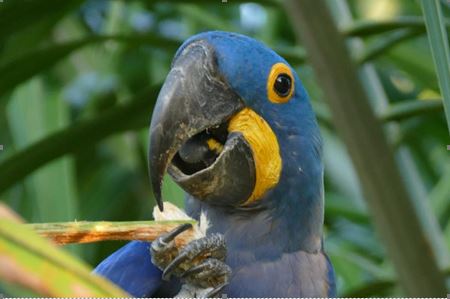
    Hyacinth Macaw (photo Eric Schroeder)

    We begin this trip with our visit to the world’s largest wetland, the Pantanal, which provides us with the best opportunity on the planet to see Jaguar as well as other charismatic mammals, and of course it hosts a large suite of birds. Target birds include five kinds of kingfishers (Amazon, Ringed, Green, Green-and-rufous and American Pygmy), Red-billed Scythebill, Bare-faced Curassow, Great Rufous Woodcreeper, Agami Heron, Jabiru, Golden-collared Macaw, Golden-collared Macaw, Black-collared Hawk, Sungrebe, and Gretter Rhea. In addition to the Jaguar, mammal targets include Giant Otter, Giant Anteater, Crab-eating Fox, Marsh Deer, and Lowland Tapir.

    Our visit to the Atlantic Forest starts on the Argentine side of Iguazú Falls, which not only provides dramatic scenery, but excellent birding. The Iguazu River, where it tumbles over the edge of the Parana Plateau, is by many people considered the world’s most spectacular waterfall. The falls span over 1.6 miles and are comprised of 275 distinct falls. But the birds are spectacular, too. One of our target birds occurs at the fall, the Great Dusky Swift, which roost on the waterfall cliffs. Our target Atlantic forest birds include Red-rumped Cacique, Toco Toucan, Chestnut-eared Araçari, Blonde-crested Woodpecker, Ochre-collared Piculet, Swallow-tailed Manakin, Southern Antpipit, Eared Pygmy-Tyrant, Chestnut-bellied Euphonia, Green-headed Tanager, Streak-capped Antwren, Surucua Trogon, Rufous-capped Motmot, Greenish Schiffornis, Rufous Gnateater, Dusky-tailed Antbird, and the elusive Black-fronted Piping-Guan.

    Contact: Please refer to the itinerary below. For questions or to sign up, contact Eric Schroeder at travelprogram@gol.org.  Please do not contact the trip vendor first.

    Price: $7950 per person sharing, which includes all internal transportation (e.g., domestic flights worth $500)

    Single Supplement: $810…

  • TRINIDAD AND TOBAGO BIRDING TOUR:

    AN INTRODUCTION TO NEOTROPICAL BIRDING

    Nov 28 – Dec 9, 2024

    Trinidad and Tobago are situated just seven miles north of Venezuela, giving them a rich biodiversity comprised of a blend of both Amazonian and West Indies wildlife. Despite their small size, the islands boast a bird list of more than 500 species.

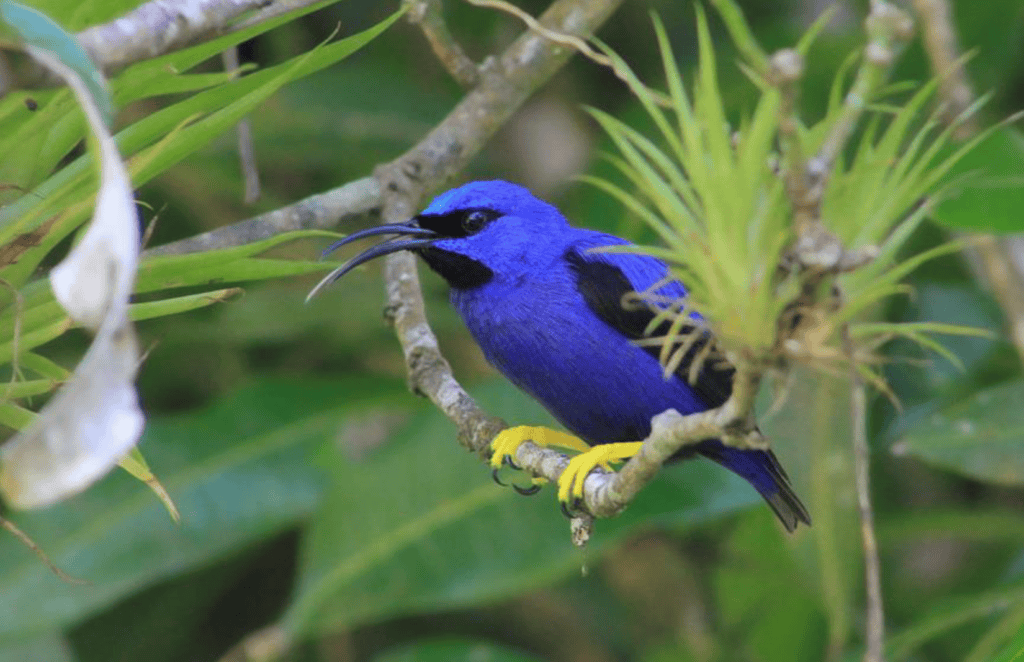
    Blue Honeycreeper by Fraser Bell

    Our tour starts on Tobago, which has a distinctly Caribbean flavor, featuring lush, forested heights sloping gently into beautiful tropical beaches, surrounded by diverse coral reefs. Here we’ll seek species not found on Trinidad, which include the localized White-tailed Sabrewing. Despite its name, the endemic Trinidad Motmot is much more abundant on Tobago, as is Rufous-tailed Jacamar. We’ll take a glass-bottom boat trip to Little Tobago Island to see some of the spectacular seabirds that nest on the island, such as beautiful Red-billed Tropicbirds. We then bird our way across Tobago, exploring its wetlands and forests for specials such as Blue-backed Manakin and Venezuelan Flycatcher.

    After four nights on Tobago we transfer to Trinidad, famous for its vibrant mix of cultures, excellent tropical weather, and great hospitality. During our time on Trinidad, we stay at the Asa Wright Nature Centre, a world-leading conservation-focused ecolodge. Asa Wright is well known among birdwatchers—its extensive grounds wind through pristine rainforest which boast Bearded Bellbird and the most accessible Oilbird roost in the world. Relaxed birdwatching from the veranda allows close viewing of charismatic and colorful species, such as Blue Dacnis and Tufted Coquette

    We’ll explore Trinidad’s wetlands, savannah, forests, and coastline, using Asa Wright as our comfortable base, while we seek specials such as Black Hawk-Eagle, Masked Cardinal, Lilac-tailed Parrotlet, and Red-bellied Macaw. During a scenic boat cruise, we’ll witness the breath-taking spectacle of thousands of Scarlet Ibis as they return to roost. After five nights at Asa Wright, we will end the tour with two nights in the northeast, where we target Trinidad’s one true endemic, the Trinidad Piping Guan, a once common species now red-listed by the International Union for Conservation of Nature (IUCN) as Critically Endangered.

    This is a relatively easy tour, in which we hope to become accustomed to many neotropical bird families at leisure, with great photographic opportunities for many colorful species. We’ll have time to enjoy the wonderful birds of the islands, while taking advantage of the relaxing Caribbean culture.…

  • TOTAL Uruguay


    Uruguay: rich avian and habitat diversity in a small territory. Enjoy, at a great price, a 15-day small group (6-8 person) trip that includes every national park and the majority of the country’s IBAs (Important Bird Areas). Birding With Me is a woman-owned and operated company. Florencia Ocampo, a biologist, started “Birding With Me” over 10 years ago.

    .kb-image65057_a3ab03-45.kb-image-is-ratio-size, .kb-image65057_a3ab03-45 .kb-image-is-ratio-size{max-width:549px;width:100%;}.wp-block-kadence-column .kt-inside-inner-col .kb-image65057_a3ab03-45.kb-image-is-ratio-size, .wp-block-kadence-column .kt-inside-inner-col .kb-image65057_a3ab03-45 .kb-image-is-ratio-size{align-self:unset;}.kb-image65057_a3ab03-45 figure{max-width:549px;}.kb-image65057_a3ab03-45 .image-is-svg, .kb-image65057_a3ab03-45 .image-is-svg img{width:100%;}.kb-image65057_a3ab03-45 .kb-image-has-overlay:after{opacity:0.3;}
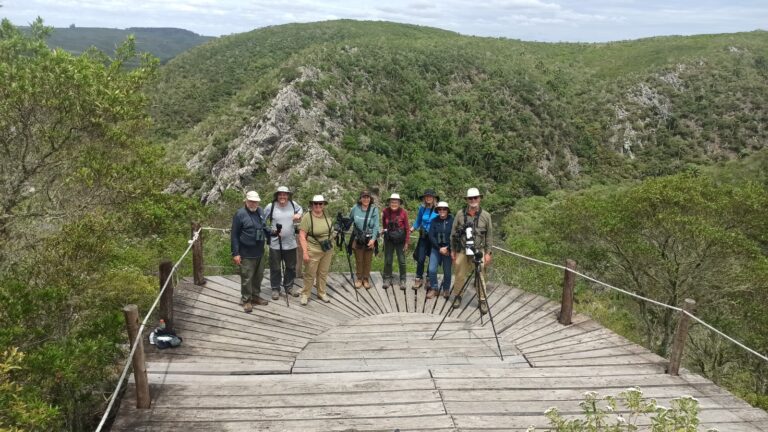
    2023 GGBA Tour/ Rafael Tosi

    GGBA did this trip with “Birding With Me” in 2023. It was such a hit, we are doing it again! We’ve even made a few improvements to the trip!

    This tour is led by fully bilingual Uruguayan birding expert Rafael Tosi. This tour is also designed to show you less-seen Uruguayan lifestyles and food, where you will get a sense of how people live in different parts of the country, and have an opportunity to get to interact with local people.

    Uruguay is a small country in the Southern Cone of South America that enjoys a temperate climate very similar to our own. It is approximately 375 miles long both from north to south and from east to west. In spite of this tiny territory, it contains many different environments: the Pampas, the Atlantic Forest, savannas, wetlands, ocean coasts, countless water courses, grasslands, ravines, several hill ranges, palm tree forests, and many others. This richness of landscapes results in a great diversity of bird species that can be seen easily, in a short time and traveling short distances.

    The territory is also an important feeding and breeding destination for many migrant species, including in November (Austral Spring) birds on migration to southernmost areas of South America and South American birds coming to nest in Uruguay.

    On this tour, you will visit the most important hot spots in the country for birdwatching. Two of the principal 13 destinations on this tour were recently explored by scientists: Rincón de Franquía and Paso del Centurión. These are relatively new protected areas where biologists have only recently begun to research the flora and fauna. Many new bird species have been recorded in these areas in the last few years.

    SPECIAL NOTE ABOUT LODGING
    One of the trip destinations, Establecimiento Bichadero (Nov 6-8), has very limited lodging. This means that even Single Occupancy participants may have to share a room. (This was taken into account when Florencia established the single occupancy price.)…

  • Bhutan — Birds, Mammals, and Monasteries

    We recently added this trip to Bhutan since the demand for our spring 2026 trip was overwhelming. There’s a nice wrinkle to this one, though—a visit to Bhutan’s annual Crane Festival, a cultural Bhutanese highlight, that takes place annually on November 11. Otherwise, the itinerary is very similar to the one we’ll run next spring. For a complete list of the 340 species seen by last spring’s tour group, check out their trip report.

    .kb-image65997_186c10-f6.kb-image-is-ratio-size, .kb-image65997_186c10-f6 .kb-image-is-ratio-size{max-width:473px;width:100%;}.wp-block-kadence-column .kt-inside-inner-col .kb-image65997_186c10-f6.kb-image-is-ratio-size, .wp-block-kadence-column .kt-inside-inner-col .kb-image65997_186c10-f6 .kb-image-is-ratio-size{align-self:unset;}.kb-image65997_186c10-f6 figure{max-width:473px;}.kb-image65997_186c10-f6 .image-is-svg, .kb-image65997_186c10-f6 .image-is-svg img{width:100%;}.kb-image65997_186c10-f6 .kb-image-has-overlay:after{opacity:0.3;}

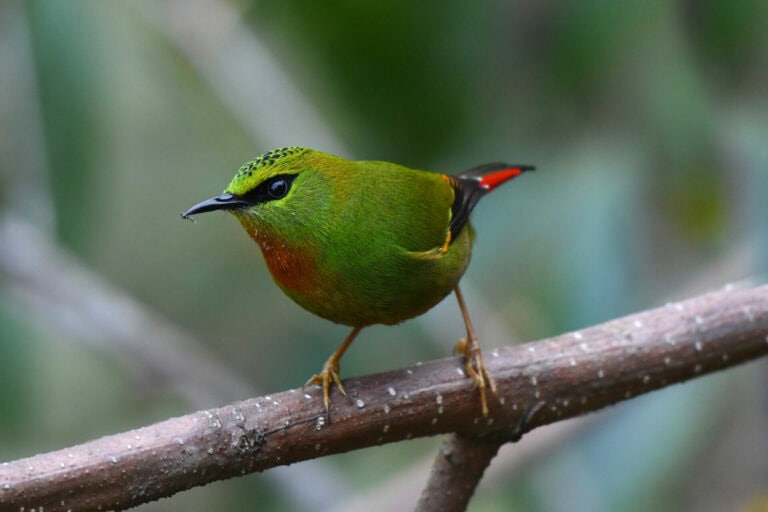
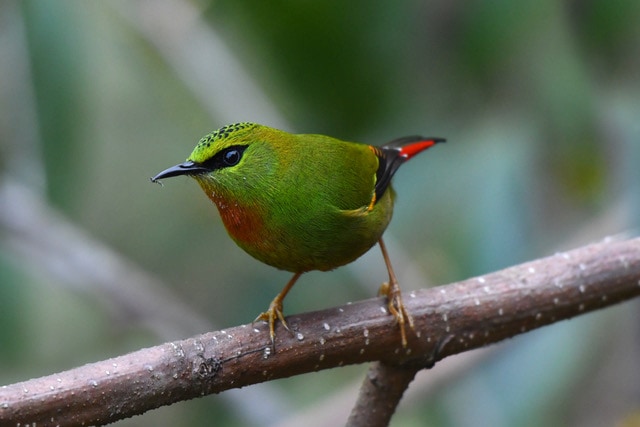
    It’s no wonder that it’s possible to see so many birds in a trip that’s less than three weeks long. Bhutan, a country roughly the size of Maryland, has almost 600 species of birds. Over 70% of its land is forested with 25% protected by National Parks. You’ll visit a range of environments varying from sub-tropical at 150m to alpine at over 4,500m. On this 19-day trip, some of the major targets you’ll be looking for include the big three pheasants—Himalayan Monal, Satyr Tragopan, and Blood Pheasant—as well as some unusual birds like the Ibisbill, some beautiful birds like the Fire-tailed Myzornis, Ward’s Trogon and the aptly named Beautiful Nuthatch, and some critically endangered birds like the Rufous-necked Hornbill and the White-bellied Heron. You can also expect to see 10-15 species of mammals (the group this year was fortunate enough to see Red Panda). Our Bhutanese guide from Langur Eco Travels will not only introduce you to the fauna but also the flora of Bhutan (we’re visiting during the spring peak rhododendron bloom) and its culture (our trip includes visits to several famous sites, including the Tiger’s Nest Monastery).

    60 Minutes recently ran a fascinating segment on Bhutan. Click here to watch it.

    Date: Nov 7 – Nov 23, 2025

    TOUR COST
    Group Size: 3 – 8 guests
    Total: US$4,985 per person, double occupancy
    Total: US$5385 per person, single occupancy

    FLIGHTS

    Druk Air/Bhutan Airlines

    Bangkok to Paro and Guwahati to Bangkok + US$935 per person

    Note: Flight costs are current prices and are subject to change 

    For more information, or to sign up for this trip, contact Dawn Lemoine.

    Please do not contact the vendor.…