
Ecology and Conservation of the Gulf of the Farallones
Peter Pyle
Berkeley
Thursday, May 16
6:30 p.m. refreshments,
7p.m. program
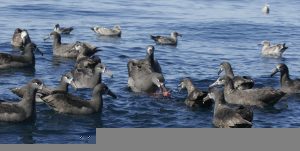 Black-footed Albatross Farallones 10.14.2013
The Gulf of the Farallones lies within an “Eastern Boundary Current System,” one of five such current systems around the world, where cold ocean currents and other environmental factors lead to high ocean productivity; an estimated 85-95% of the world’s seafood originates from these five systems. Peter’s talk will cover the ecology and conservation of the Gulf’s marine vertebrates, from birds to pinnipeds to cetaceans, with emphasis on his main research species, breeding and pelagic seabirds, and great white sharks. We will not only learn about some of the Gulf’s keystone species, but will look in on the excellent research that has been undertaken in the Gulf and the conservation and management actions that have resulted.
Peter Pyle has worked as an ornithologist and marine biologist throughout the Pacific. From the 1980’s to the 2000’s much of his research was conducted on birds and white sharks at the Farallon Islands, California. He is now an identification specialist and consultant for the Greater Farallones National Marine Sanctuary’s Beach Watch program. He is a Research Associate both at the California Academy of Sciences, San Francisco, and the B.P. Bishop Museum, Honolulu. To date he has authored over 170 papers in scientific journals and two books, and has described a new species of shearwater (Puffinus bryani) and named it after his grandfather, Edwin Bryan. Peter currently works as a staff biologist for the Institute for Bird Populations in Point Reyes Station.…
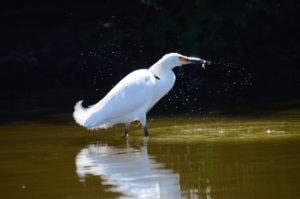 Snowy Egret (Egretta thula)helping out on a fish removal day at Mountain Lake
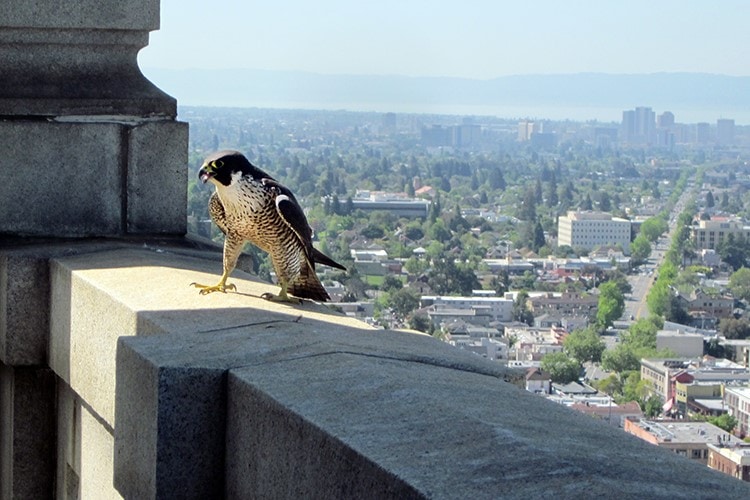
 Since 1997 Golden Gate Bird Alliance has partnered with the Port of San Francisco to enhance shoreline wildlife habitat at Pier 94, located along the south eastern bay shoreline, on property owned and operated by the Port of San Francisco. After completing successful wetland and beach enhancement projects, in 2013 Golden Gate Bird Alliance initiated habitat enhancements in the adjacent upland areas of Pier 94. Through creative partnerships and modest funding, Golden Gate Bird Alliance mobilized materials, equipment, and people to transform a mostly barren area of shoreline rubble and road into a viable place for native plants and wildlife. This project is a model for beneficial sediment reuse – using clean local “waste” sediment from mining, dredging, and excavation projects for habitat enhancement rather than disposal
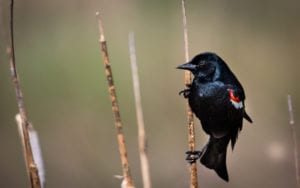 The Tricolored Blackbird is a colonial breeder that is nearly endemic to California. Historically, these birds bred on wetlands in the Central Valley. As a result of the loss of 90 percent of the wetlands, Tricolors increasingly nest in agricultural fields. When nesting and farmers’ harvest schedules conflict high proportions of the Tricolor population are put at risk. Tricolored Blackbirds were listed as a threatened species under the California Endangered Species Act in April 2018 due to sharp, ongoing population declines. In this presentation Conservation Project Director, Samantha Arthur, will discuss Audubon California’s multi-pronged approach to save the Tricolored Blackbird. This approach includes creating new wetland habitat, working with dairy farmers to delay harvest until after chicks have fledged from nests, and advocating for protections under the state and federal Endangered Species Acts.