
The Central Andes with Colombia Birdwatch
January 13 or 14, 2025—January 21, 2026
(Note that starting date depends upon whether you are doing this as an extension of Araucana Lodge or as a stand-alone trip)
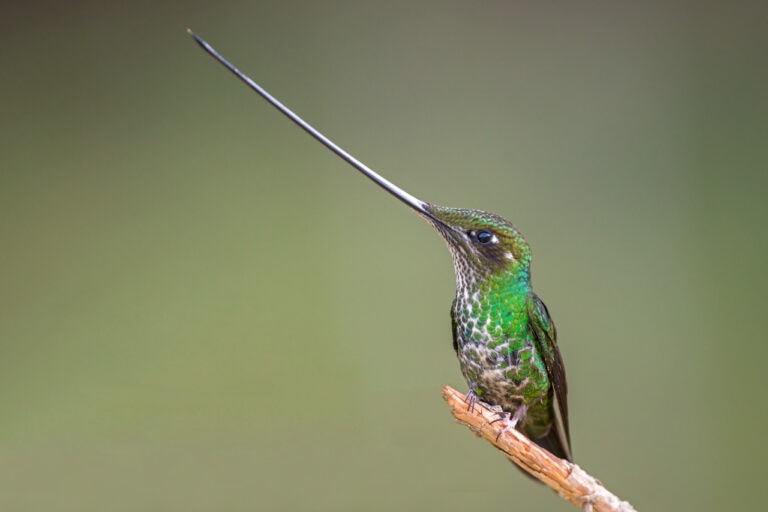
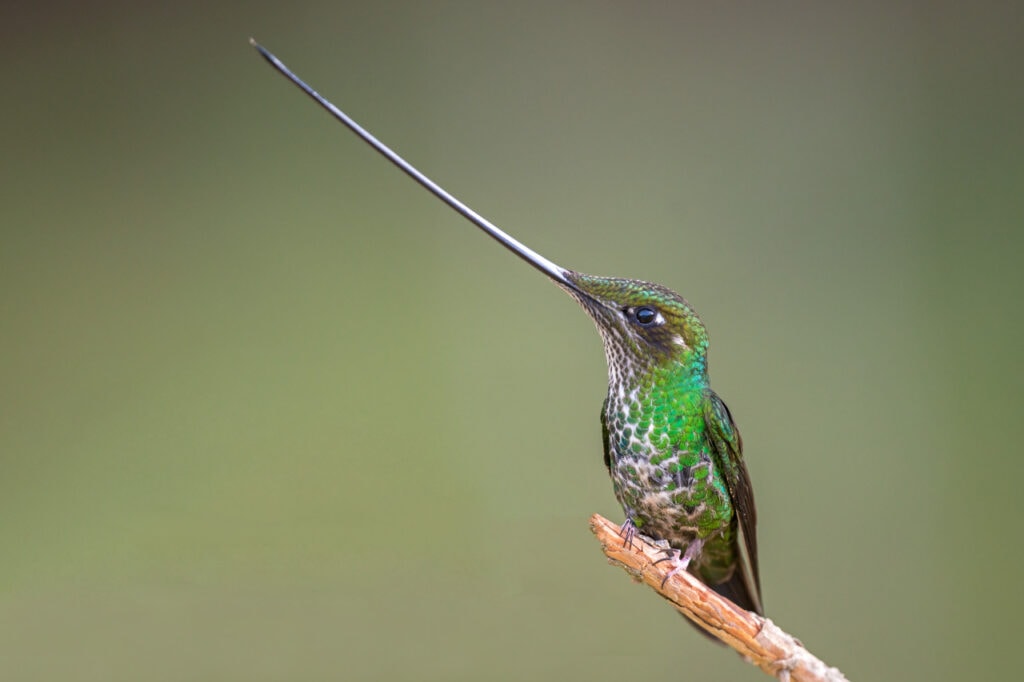 Sword-billed Hummingbird / Juan Jose Arango
This route focuses on the coffee growing region of the western and central Andes, where more than a quarter of the country’s endemics can be found. The central Andean region is dominated by glaciated volcanoes that reach heights of over 5,000 m (16,500 ft), providing an ample gradient in terms of altitude that provide for amazing birding. The area is home to one of Colombia’s largest national parks, as well as several well-managed private reserves with convenient access from major cities. In the northern portion of the western Andes, the best birding is done at the higher elevations and on the Pacific slope, where there is still good forest cover.
On the drive from Araucana lodge (or Cali if you haven’t done the first week), we’ll visit Rio Bravo Reserve and at the Cameguadua Reserve before we begin our ascent to Manizales, our first overnight stop. We’ll spend two days visiting the Rio Blanco Reserve, which is home to more than 450 species and considered to be one of the top five birding sites on the planet.
Our next stop, Hacienda El Bosque, is a working cattle farm, whose owners have been protecting large swaths of forests for decades. We’ll spend two nights at Hotel Termales del Ruiz, at 11,000 feet, where we can relax in its mineral-rich, medicinal hot springs and enjoy scenic views of the central Andes.
We’ll have a whole day to explore Los Nevados National Park, located on the highest part of the Colombian central Andes. We will wind through patches of forest that open up to Paramo, an ecosystem of tropical grasslands above the treeline, toward the picturesque 17,400-foot volcano Nevado del Ruiz. The scenery in Paramo is magical and surreal. The tour reaches elevations up to 13,000 feet, so it will be cold. We’ll look for species adapted to high elevations like the endemic Buffy Helmetcrest and the near endemic Rainbow-bearded Thornbill, both of which sometimes forage on the ground.
Our last stop is the Otun-Quimbaya Reserve, a flora and fauna sanctuary located on the west slope of the Central Cordillera, and home to the Wax Palm, the tallest palm in the world and the national tree of Colombia. We’ll listen for the sounds of Howler Monkeys and the endangered, endemic Cauca Guan, once believed to be extinct until rediscovery of a population in 1990.…
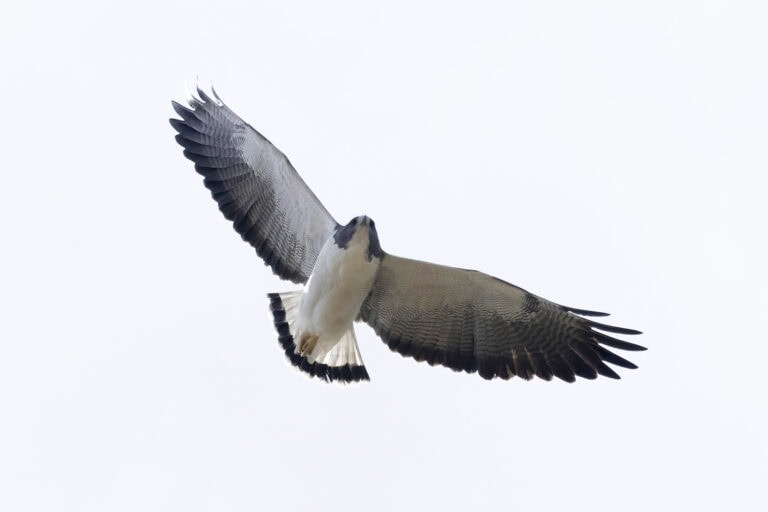
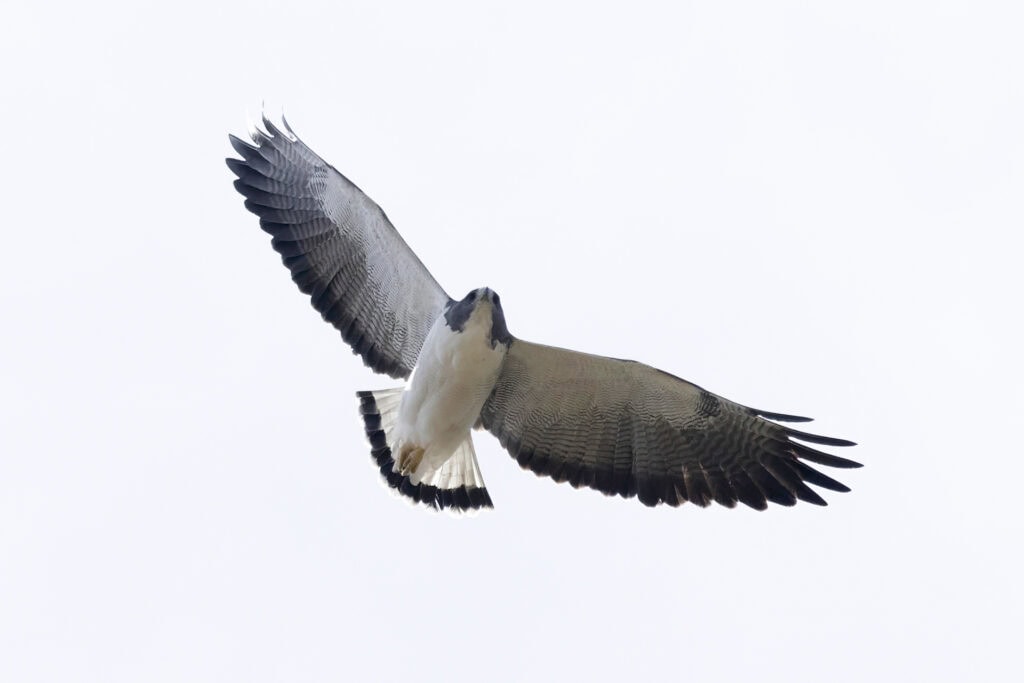 White-tailed Hawk by Bob Lewis
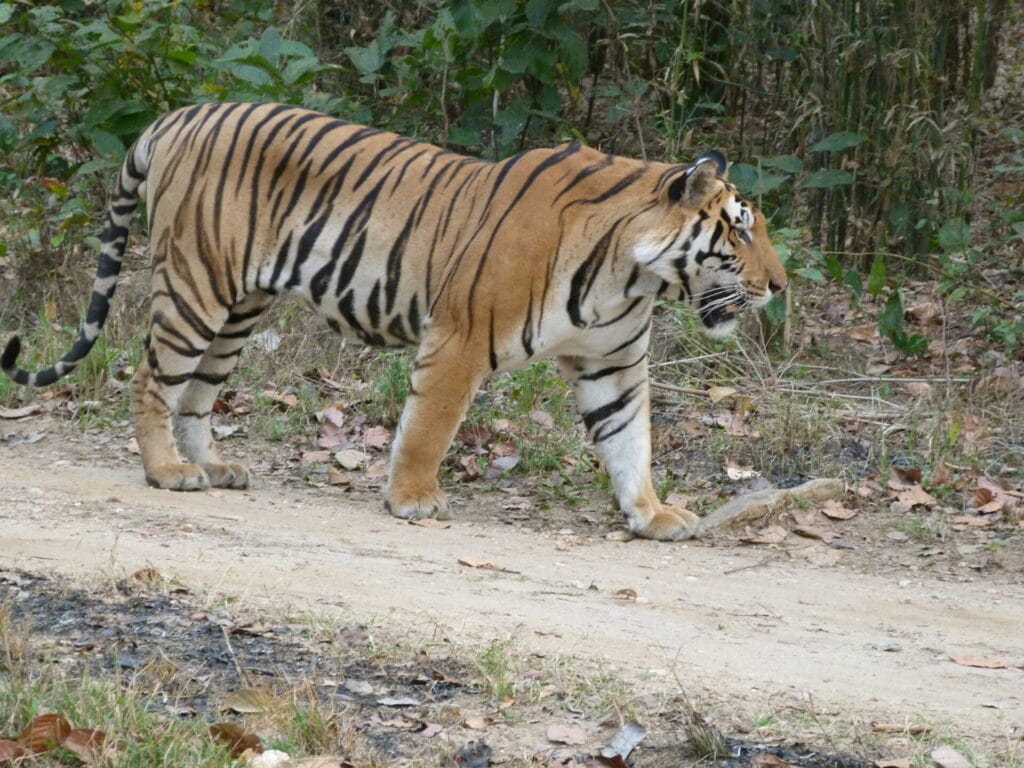 Tiger/Rajveer Singh
 Crow
Crow