Keep Our Parks Healthy: Vote Yes on Measure FF
By Pam Young
In 2004, the East Bay Regional Park District won 72% approval from East Bay voters in Oakland, Berkeley, Richmond, Alameda, San Pablo, El Cerrito, Albany, Emeryville and Piedmont to commit $12 per year as a parcel tax under Measure CC. This measure provided over $37.4 million dollars during the past 15 years and funds park infrastructure, maintenance, safety, and services.
During 2017, the East Bay Regional Park District (the EBRPD) invited GGBA and other environmental groups to attend a series of meetings and review a range of projects and commitments that were considered for inclusion in a campaign to renew and continue Measure CC. After many long intensive examinations of possible projects, we identified a strong list of habitat restoration and wildlife protection projects that would strengthen the program for environmental stewardship. The updated commitments are in the renewed Measure CC and have the new name, Measure FF.
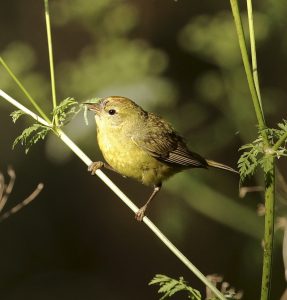 Orange-crowned Warbler in Tilden by Pam Young
Measure FF will continue this East Bay wide commitment to healthy parks by approving the same parcel tax for another twenty years. Measure FF commitments include park wide improvements throughout the western Alameda and Contra Costa counties and will fund habitat restoration, wildlfire hazard reduction, and public access enhancements that anticipate climate change impacts. Measure FF commitments will help restore our shorelines, marshes, wetlands, and urban creeks and protect sensitive habitat for endangered species.
All these park improvements help protect the important services from our parks – clean air and clean water. The East Bay Regional Park District is a point of pride for East Bay outdoor enthusiasts. Without healthy parklands, we would not only lose our world famous reputation for accessible and affordable outdoor recreation, our enviably high quality air and water would degrade. It is easy to help keep our parks healthy. We will vote to support Measure FF.
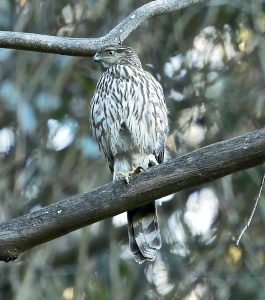 Cooper’s Hawk in Tilden by Pam Young
If I may share a personal story, you should know that I visit the parks every day. After my daily run along my favorite fire road, I may return to go birding or hiking at one of my special destinations. This daily visit is not only enjoyable – it’s restorative. No visit is ever the same. The endless biodiversity promises a new experience, such as an unfamiliar call or a small overlooked spider web that sparkles with dew and then vanishes after just a few days.…
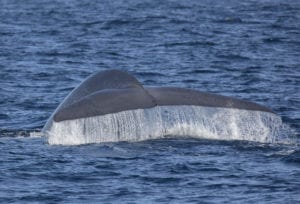 Blue Whale tail by Beth Hamel
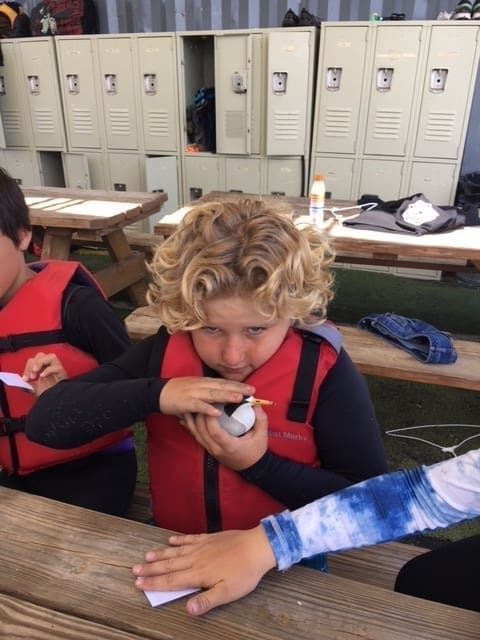
 Photo of campers starting a birding project by Emily Zugnoni
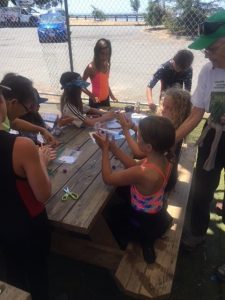 Campers making bird whirligigs by Emily Zugnoni
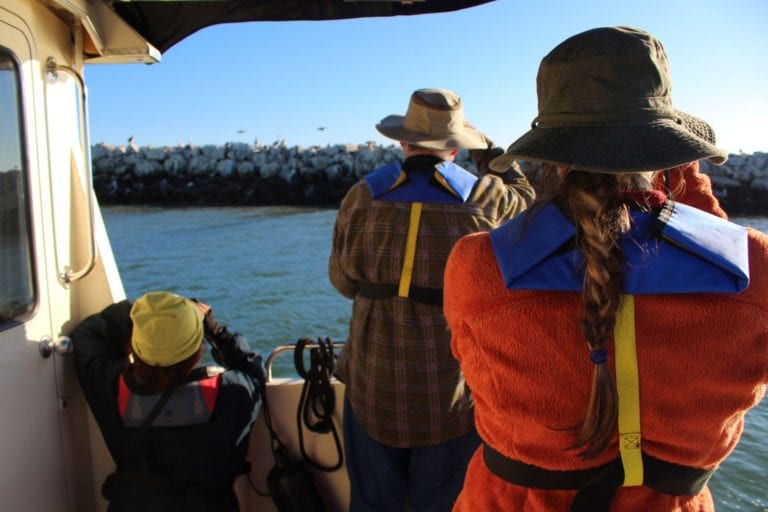
 First Light by Deborah Jacques
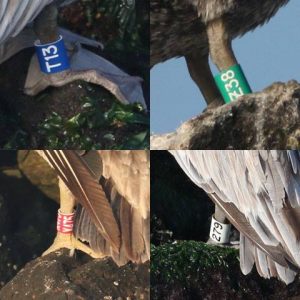 All 4 BRPE Band Programs represented at Alameda Breakwater Band Collage by Deborah Jaques
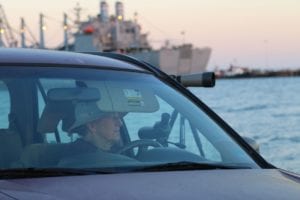 Leora counting from shore by Deborah Jacques