Big, sunny Christmas Bird Count in Oakland
By Ilana DeBare
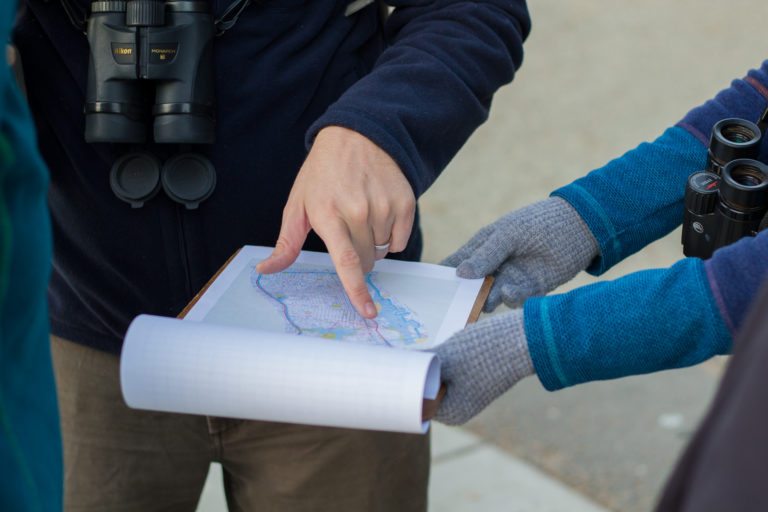
Over 300 Golden Gate Bird Alliance members and friends hit the streets, parks, shorelines, and golf courses of the East Bay on Sunday to defend the Oakland Christmas Bird Count’s size record…. and to spot a few birds too.
The sunny, mild weekend weather didn’t augur well for California’s water supply, but it made for a beautiful day of birding.
This was the 77th year of the Oakland CBC, and the 15th in which it was led by extraordinary co-compilers Bob Lewis and Dave Quady. For the past three years, the Oakland count has placed more people in the field than any other CBC in the world — and with over 300 people signed up, it looks like 2017 may continue that record.
(A few counts have a higher number of total participants because they have large numbers of Feeder Watchers, people who count in their backyards. But Oakland has the most people counting in the field.)
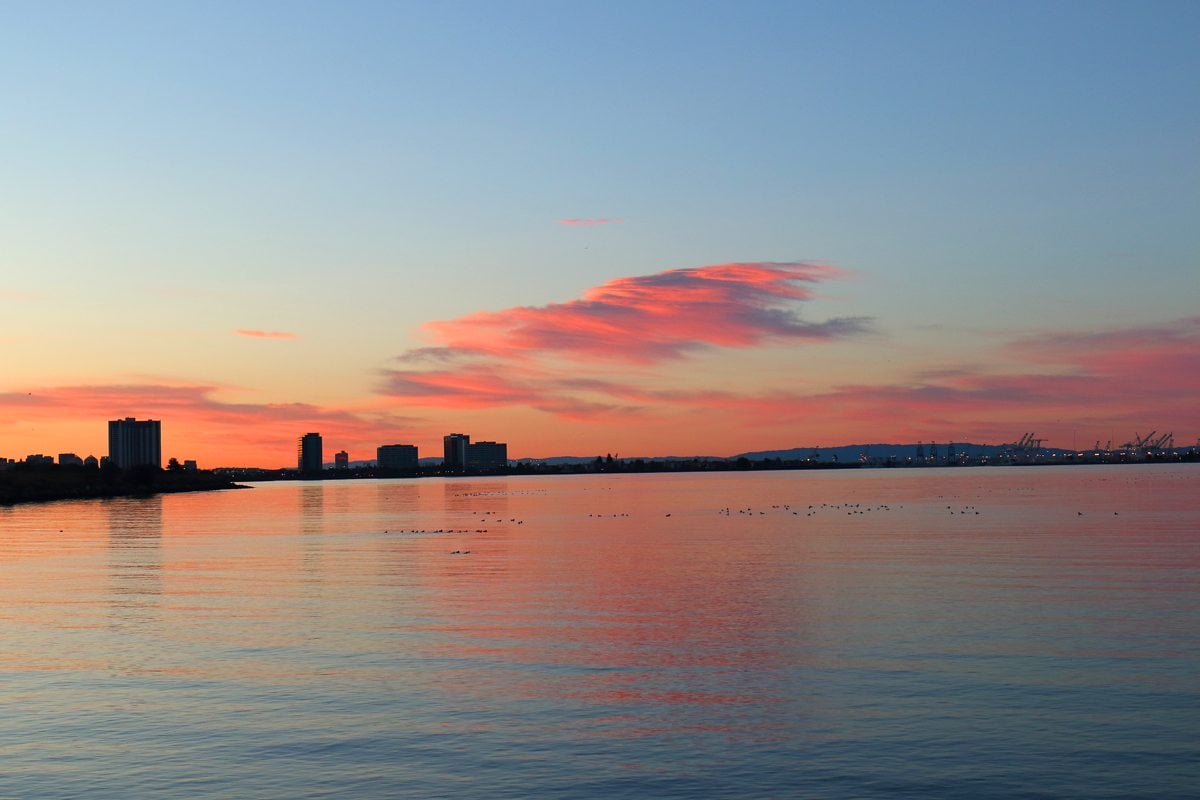 One benefit of the CBC — watching the sun rise! (And yes, there are ducks in this photo.) Photo from the Berkeley Waterfront CBC team by Rick Lewis.
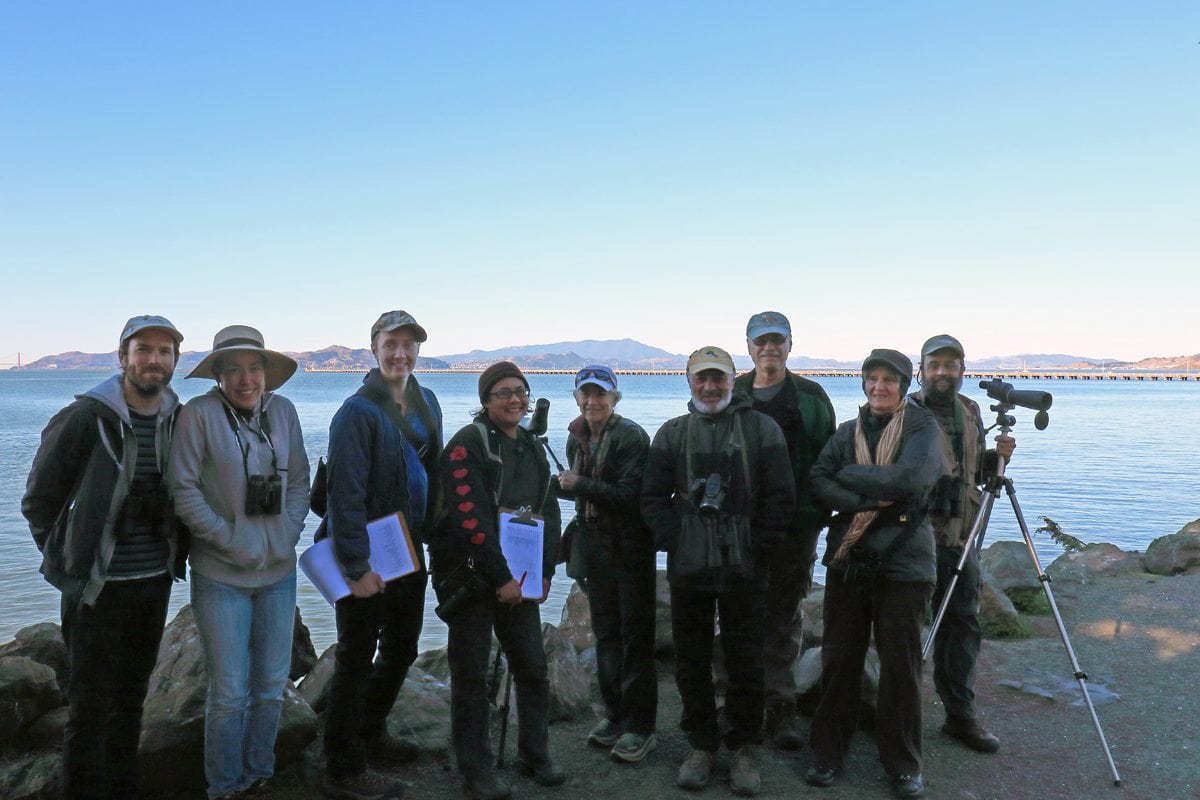 Berkeley Waterfront count team by Rick Lewis.
“How many species you see depends a lot on where you’re located,” Dave Quady told the crowd gathered on Sunday evening for the traditional festive compilation dinner. “What doesn’t depend on where you’re located is the number of people who come out to count. We had more people in the field than any other count in 2014, 2015 and 2016. Thanks to you all for that!”
The preliminary tallies for the day seemed to be within the normal range for the Oakland count’s number of species. Teams present at the dinner reported a total of 175 species, but that figure is likely to rise as a few more team reports trickle in.
Two notable sightings were made by one of the teams counting by boat on the Bay — a Fork-tailed Storm-Petrel and a Pomerine Jaeger, both of which are usually found on the open ocean.
“I guess it has to do with the (heavy) winds blowing things in,” Bob Lewis told the dinner crowd.
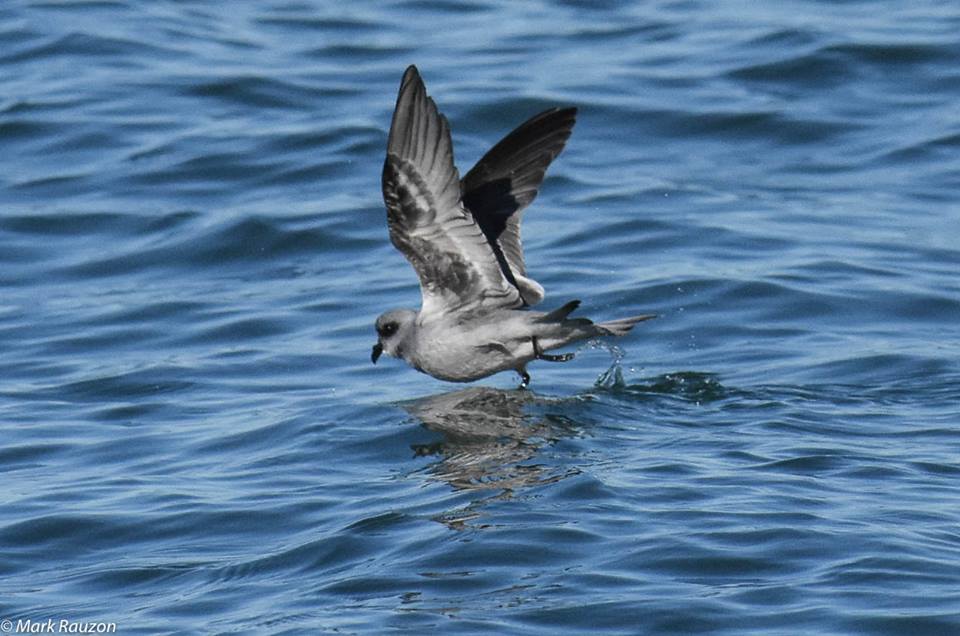 Fork-tailed Storm-Petrel, sighted by Bob Power and photographed by Mark Rauzon.
The storm-petrel won the honor of Best Bird for the 2017 count. Two Rhinoceros Auklets — also unusual within the Bay — were sighted by the Alameda team. On Monday, another rarity was added to the list when GGBA member Rick Lewis turned in photo documentation of a Lapland Longspur spotted by the team at the Berkeley Marina.…
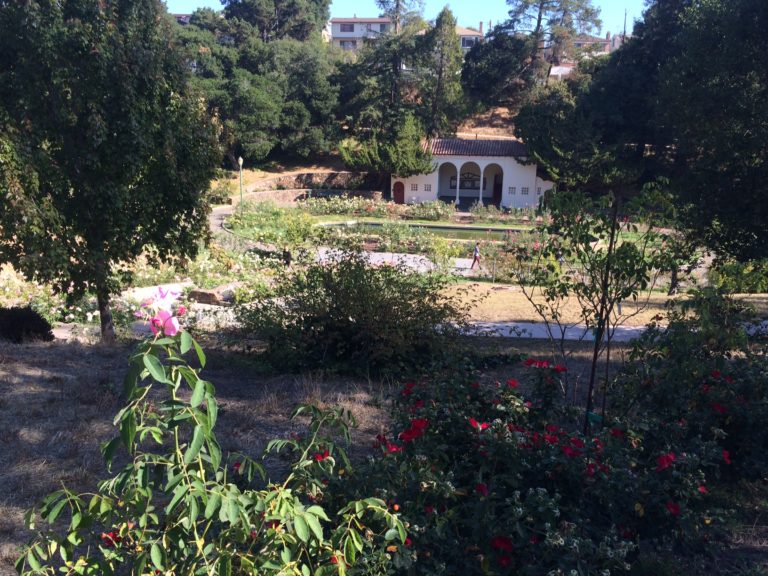
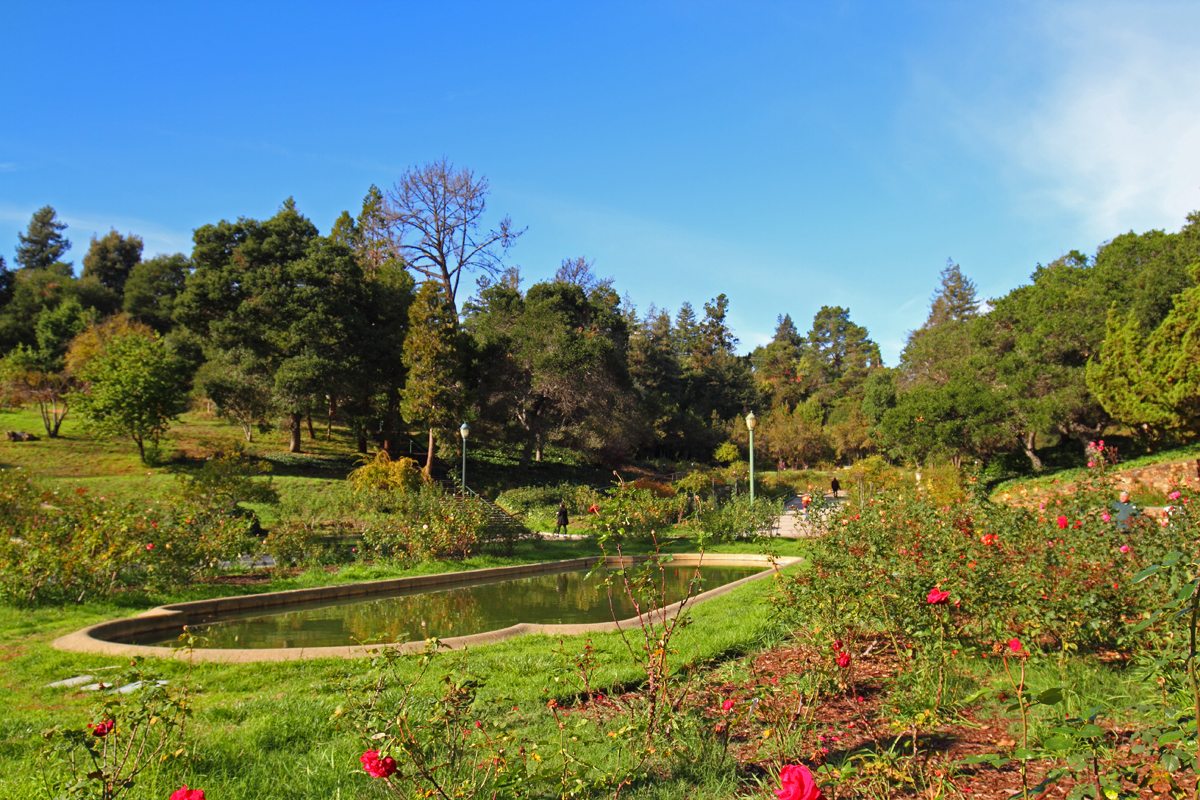 Marcom Rose Garden by Rick Lewis
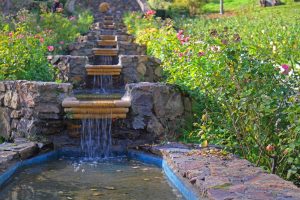 Morcom Rose Garden by Rick Lewis
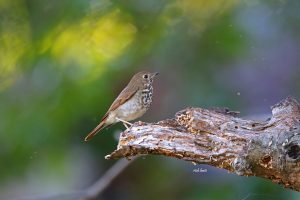 Hermit Thrush in Morcom Rose Garden by Rick Lewis
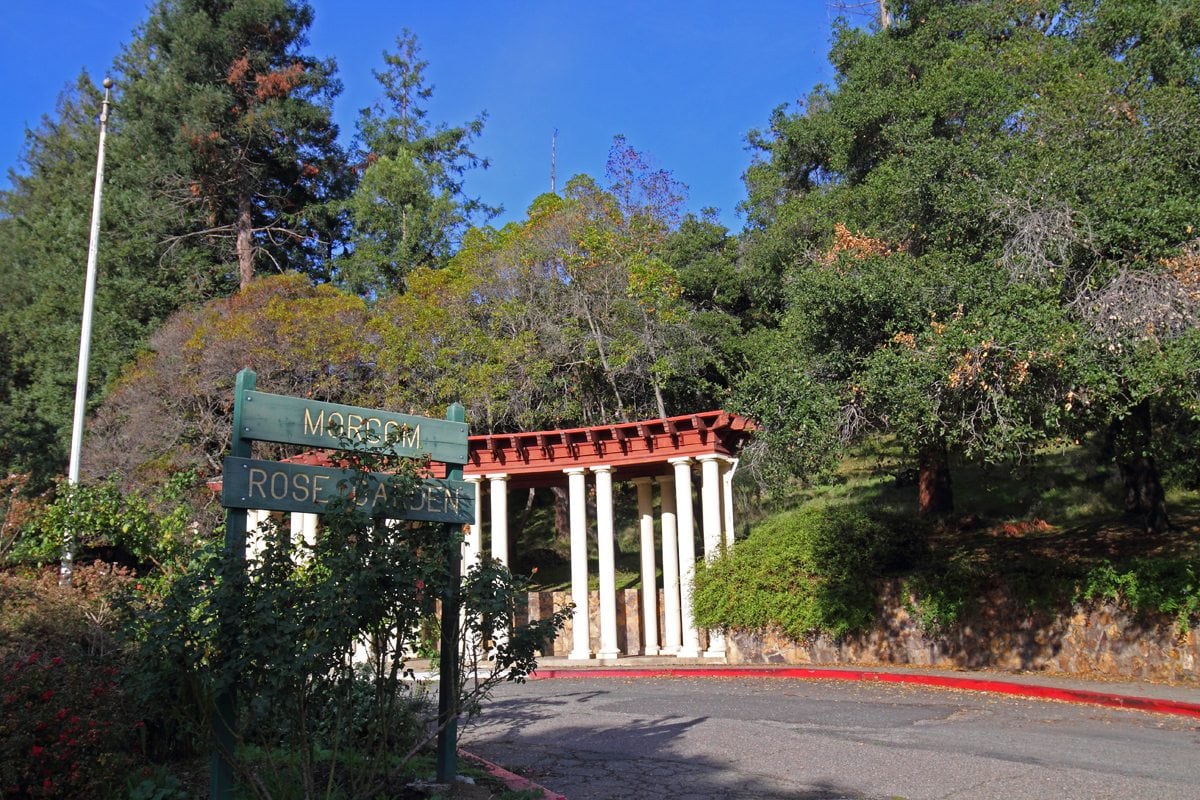 Entrance and colonnade at the Morcom Rose Garden by Rick Lewis
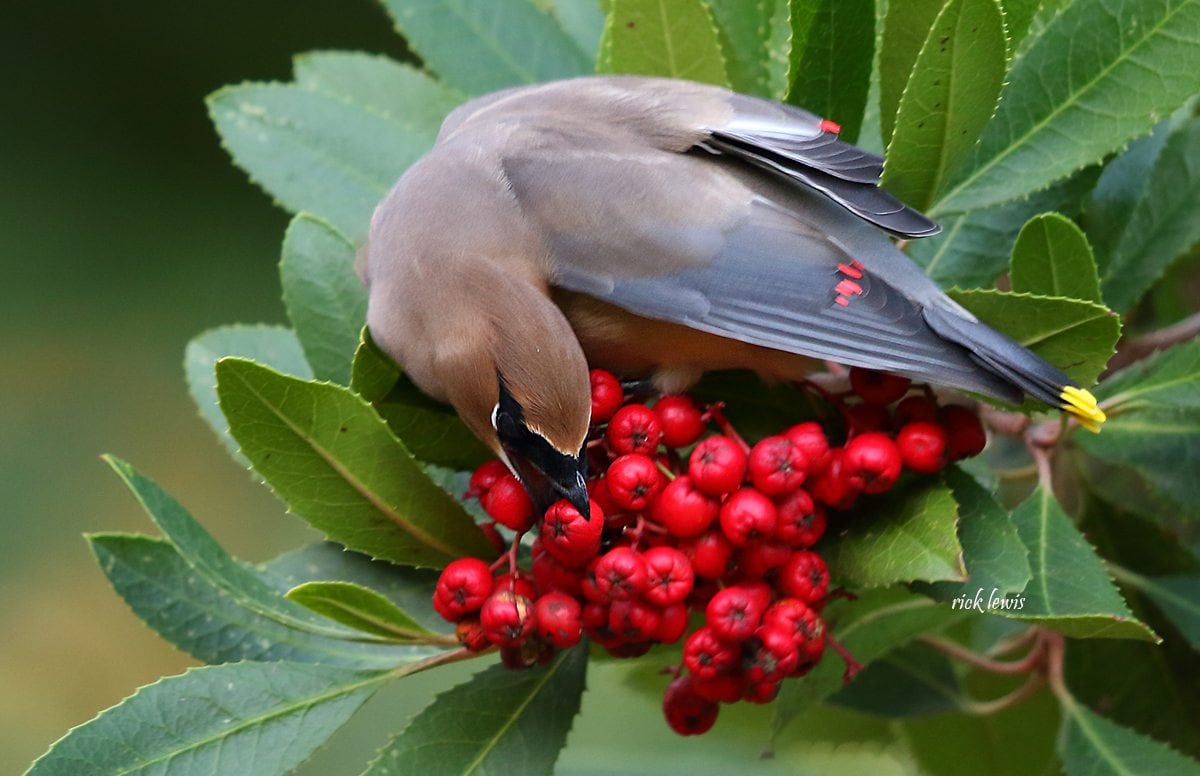 Cedar Waxwing in the Morcom Rose Garden by Rick Lewis
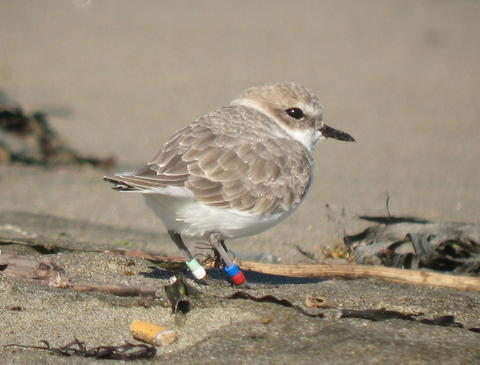
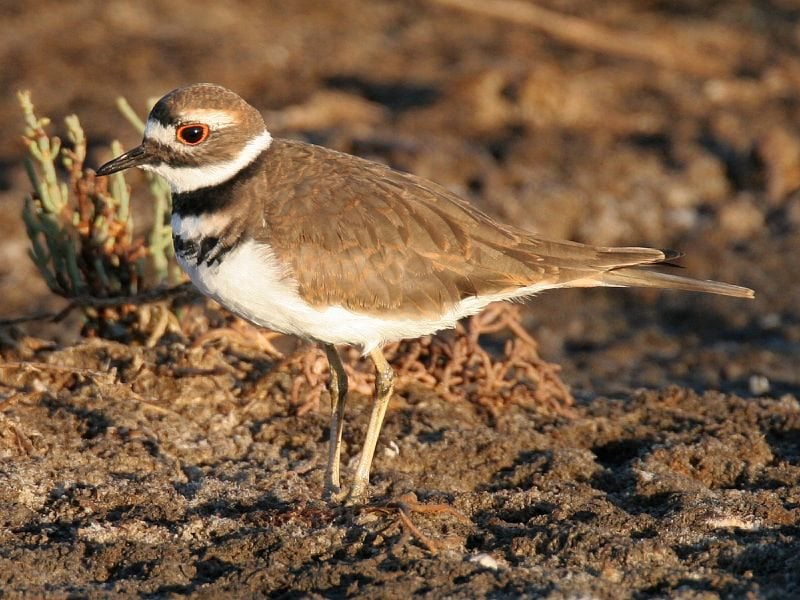 Killdeer: Note the double neck ring / Photo by Bob Lewis
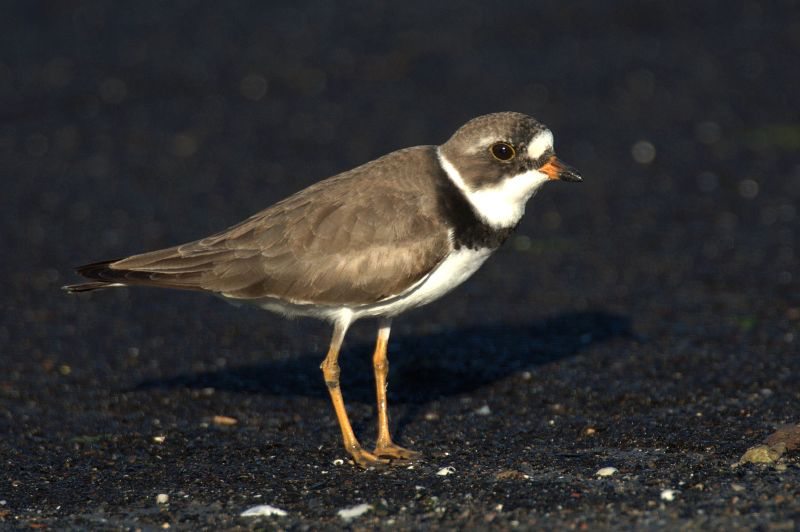 Semipalmated Plover: Note the single neck ring / Photo by Bob Lewis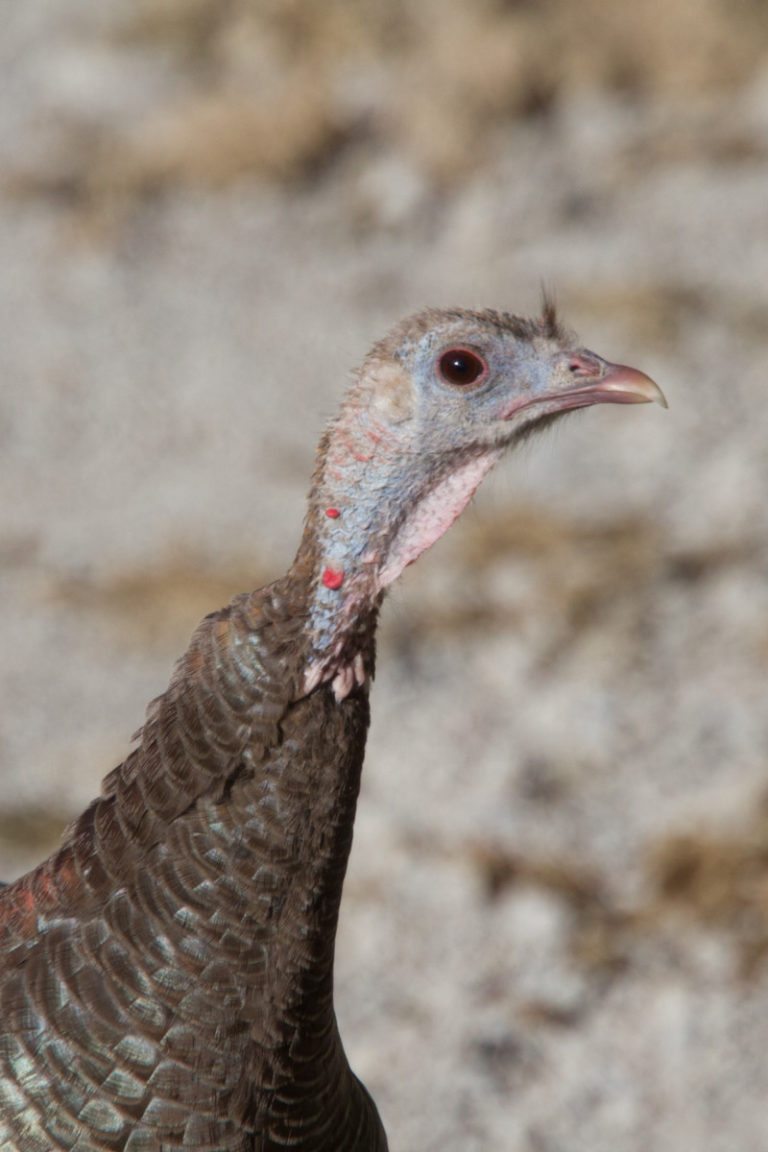
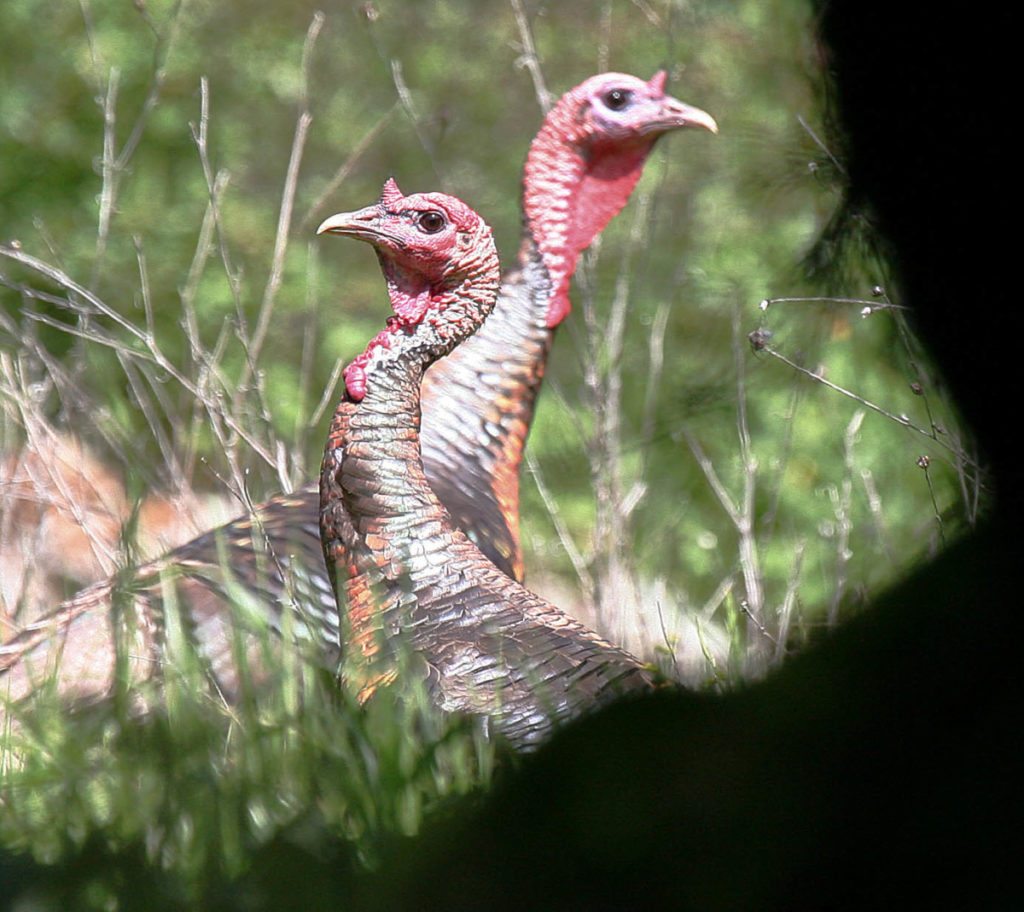
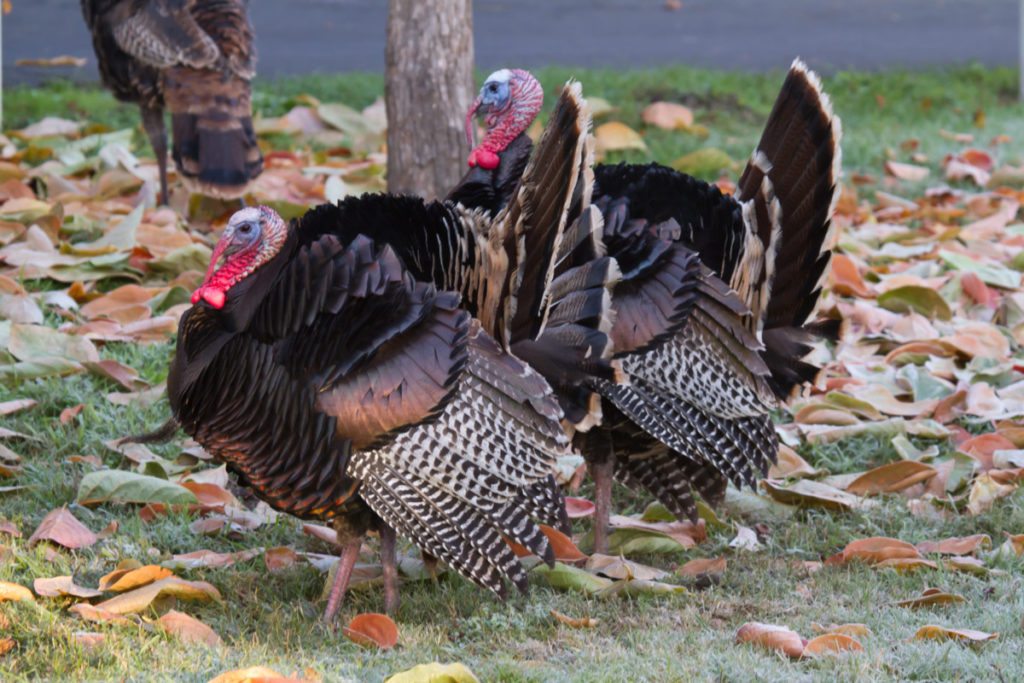 Wild Turkeys by Bob Lewis
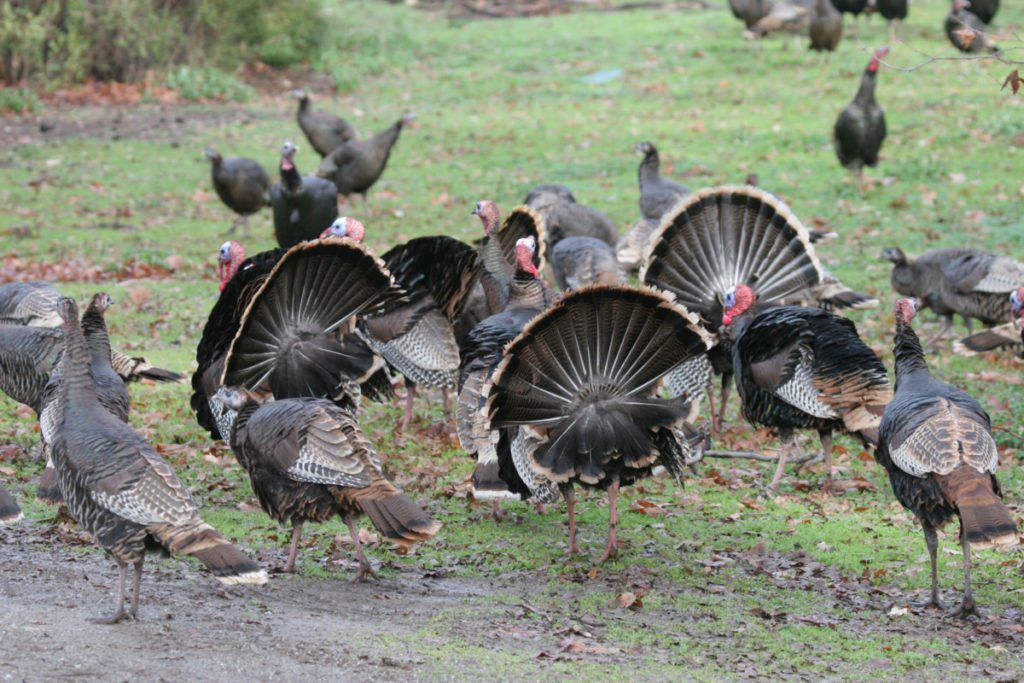
 Wild Turkeys by Bob Lewis
 Wild Turkeys by Bob Lewis
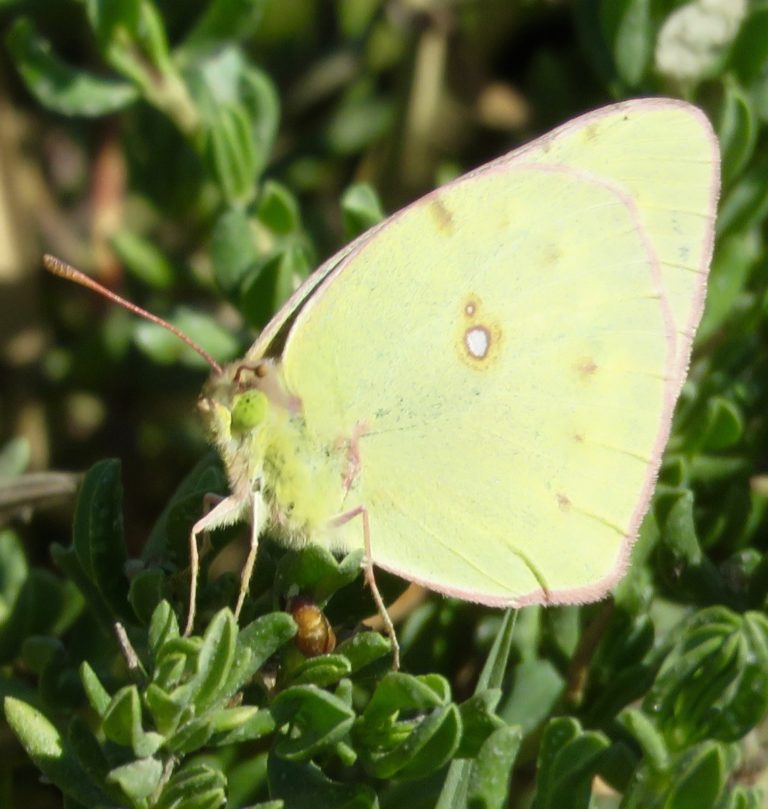
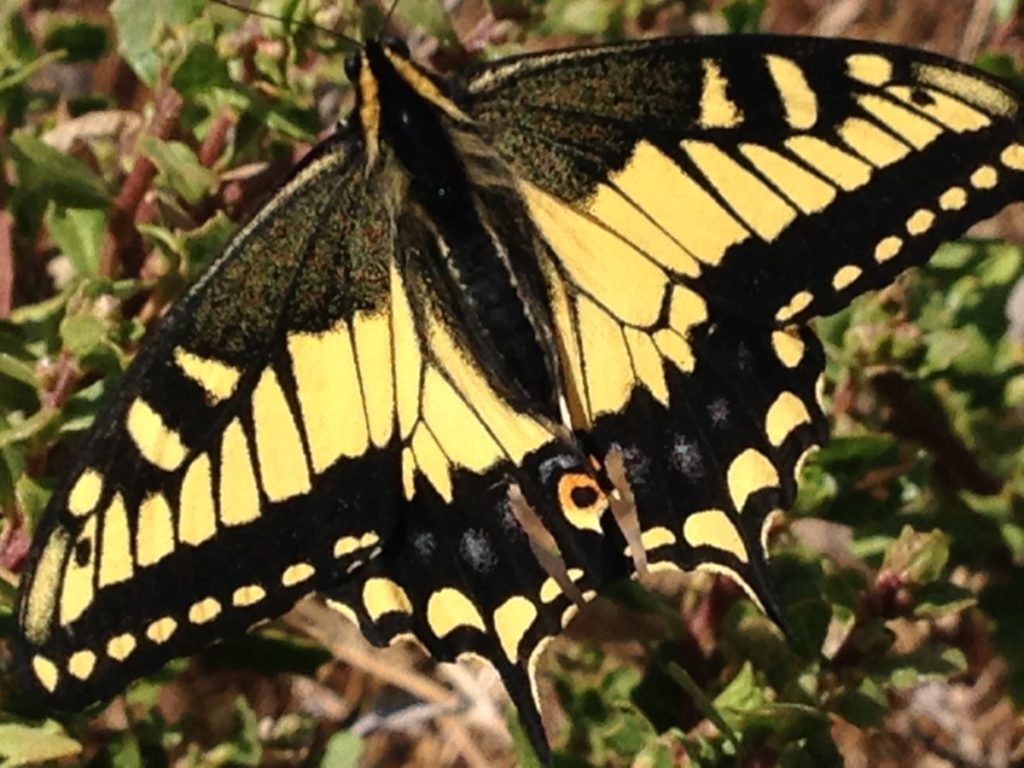 Anise Swallowtail (Papilio zelicaon) historically relied on native marsh plants such as angelica and cow parsnip, but today is found on the non-native fennel that dominates the edges of Pier 94.
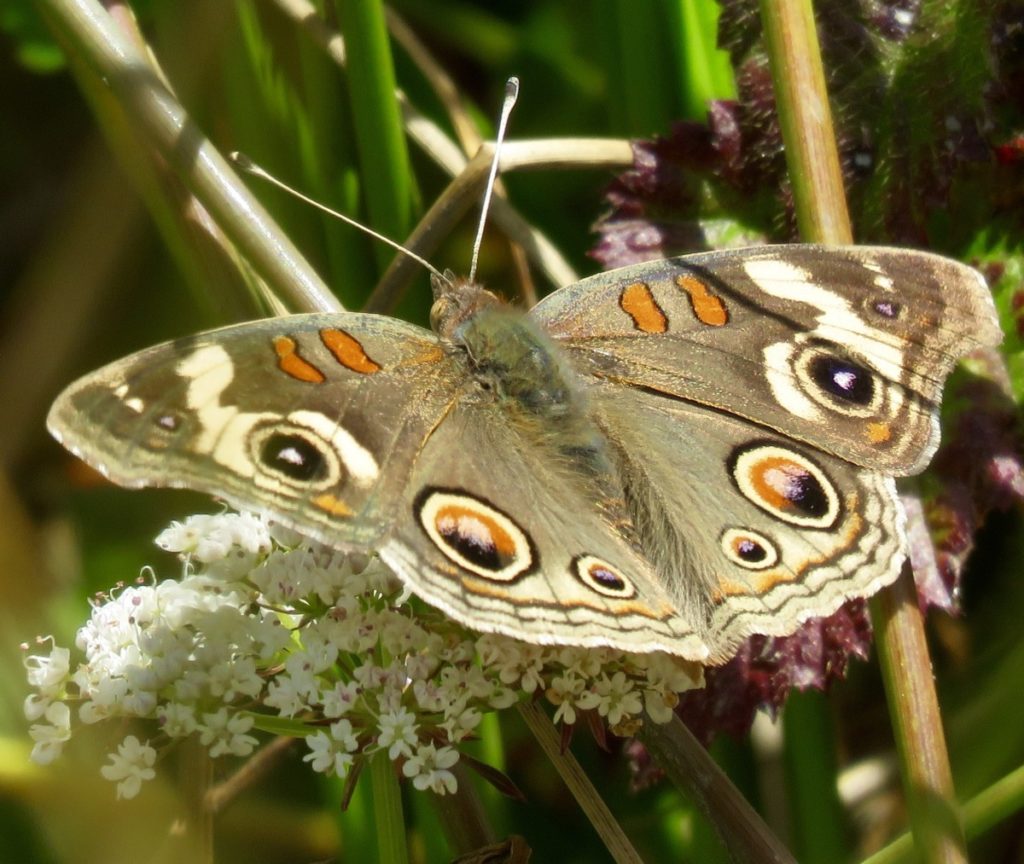 Common Buckeye (Junonia coenia) is abundant during fall and can be found on native monkey flower and non-native English plantain.
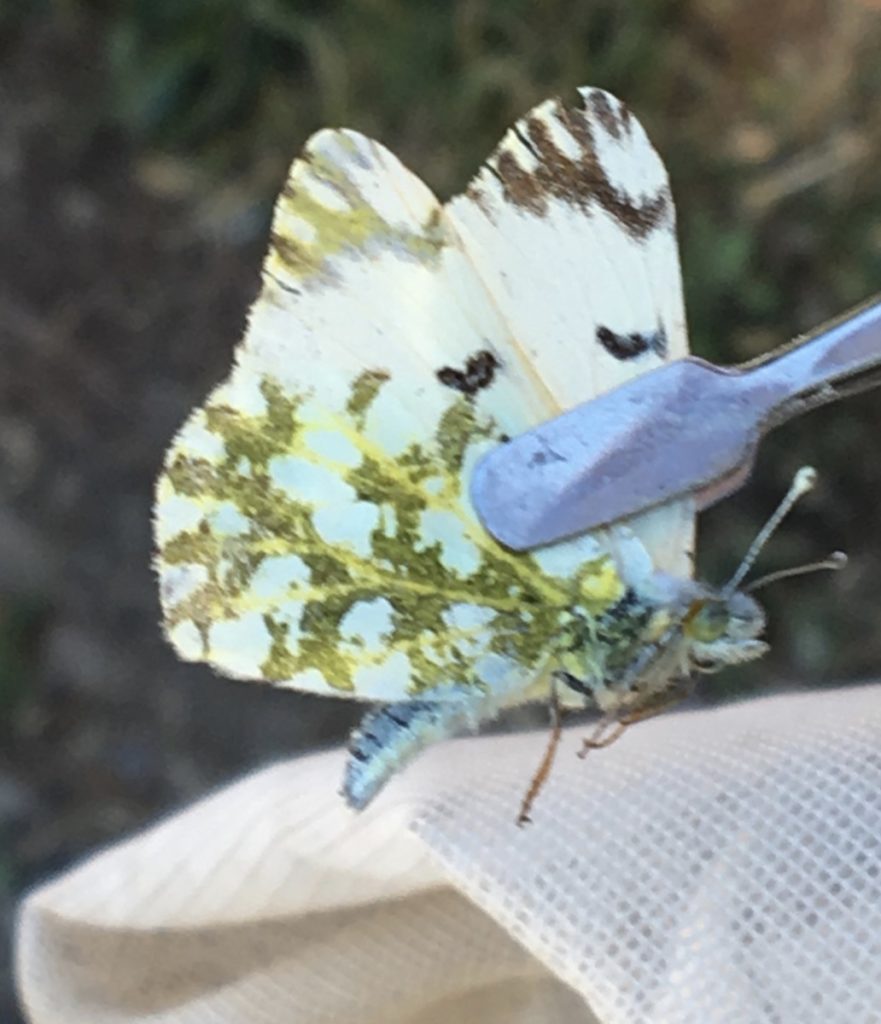 Large Marble (Euchre ausonides) is a native butterfly often mistaken for a Cabbage White. Feeds on non-native mustards and wild radish.
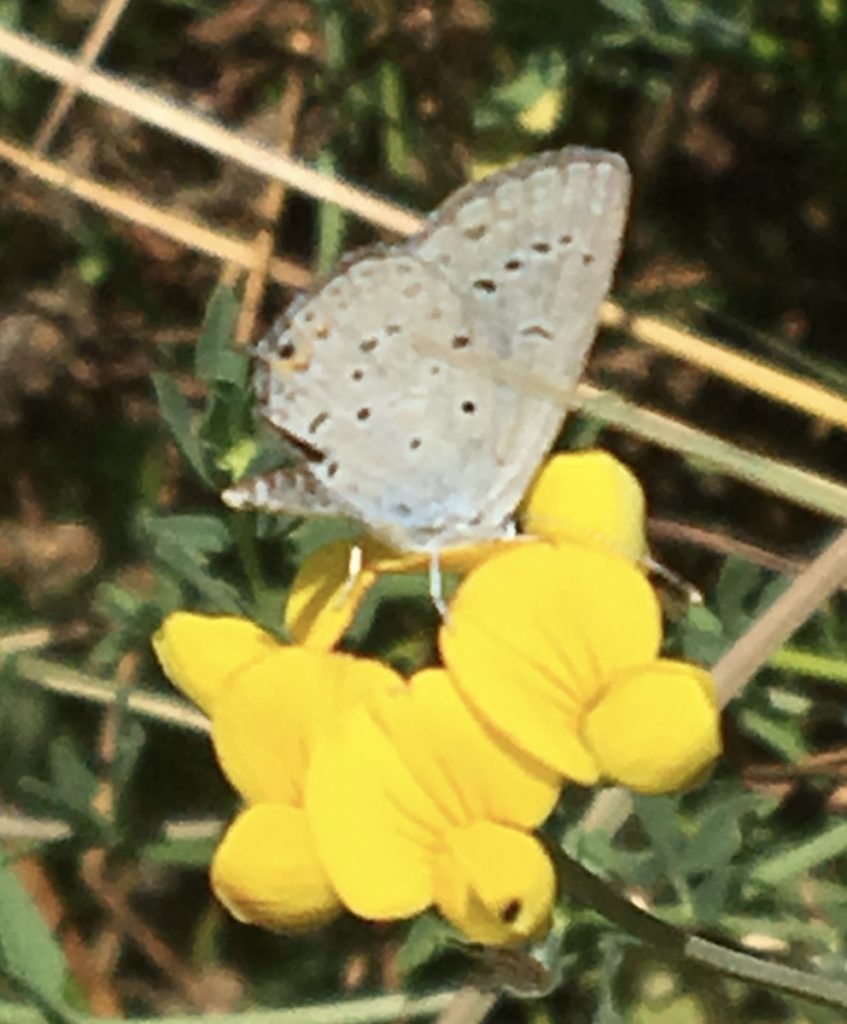 Eastern-Tailed Blue (Cupido comyntas). This was only the second time Liam found this butterfly in San Francisco County; the first time was a decade ago at Fort Funston.
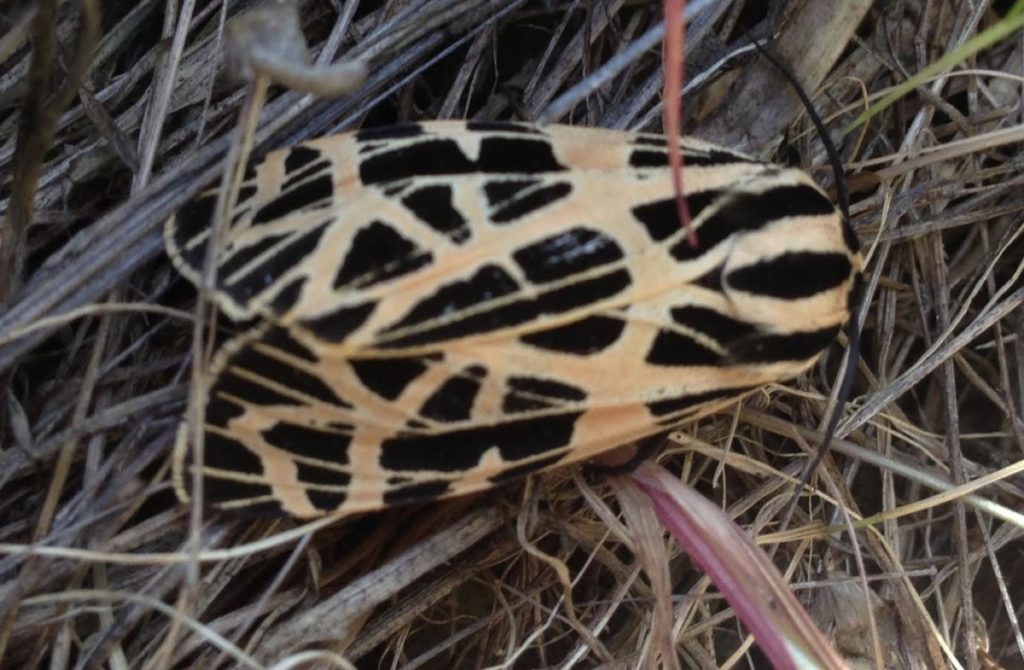 Ornate Tiger Moth (Grammia ornate). The males are attracted to light, but females like this one can be found flying slowly during daylight.
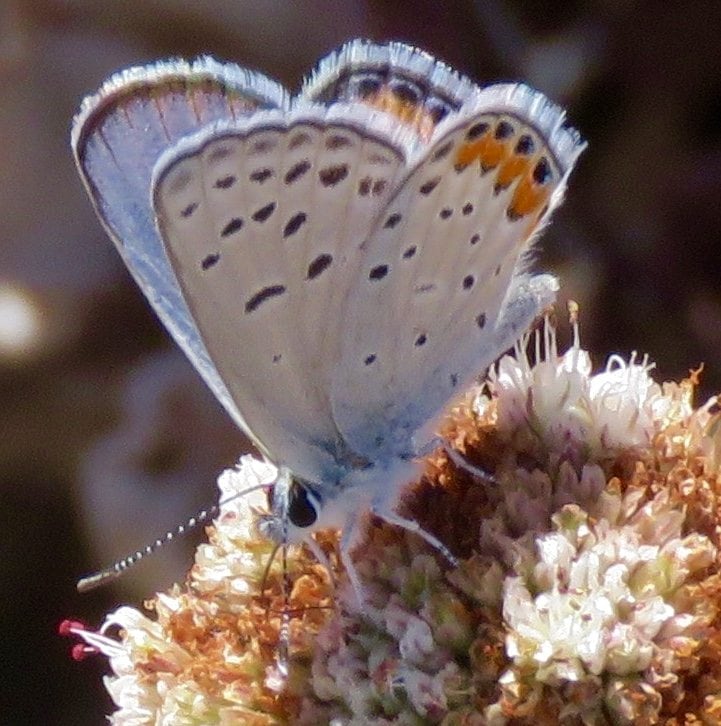 Acmon Blue (Plebejus acumen) hosts on perennial buckwheats and relies on coyote bush in the fall for nectar. Males are sky blue, females blue in spring and slate grey in fall. Both sexes have orange bands across their top hind wings.
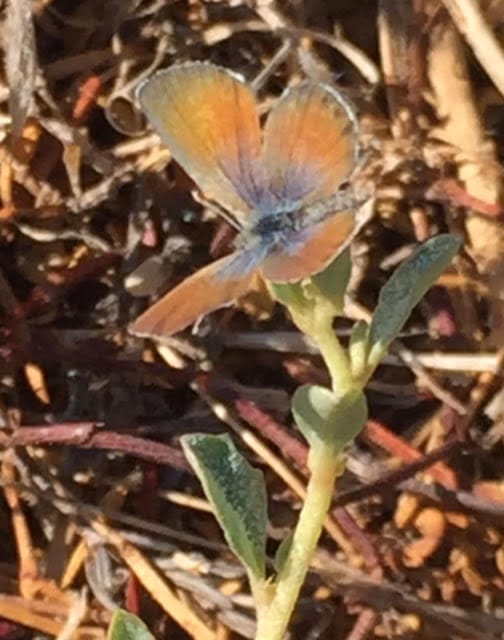 Western Pygmy Blue (Brephidium exile) is present all year. It hosts (lays eggs) on native salt marsh plants such as pickle weed and California sea blite.
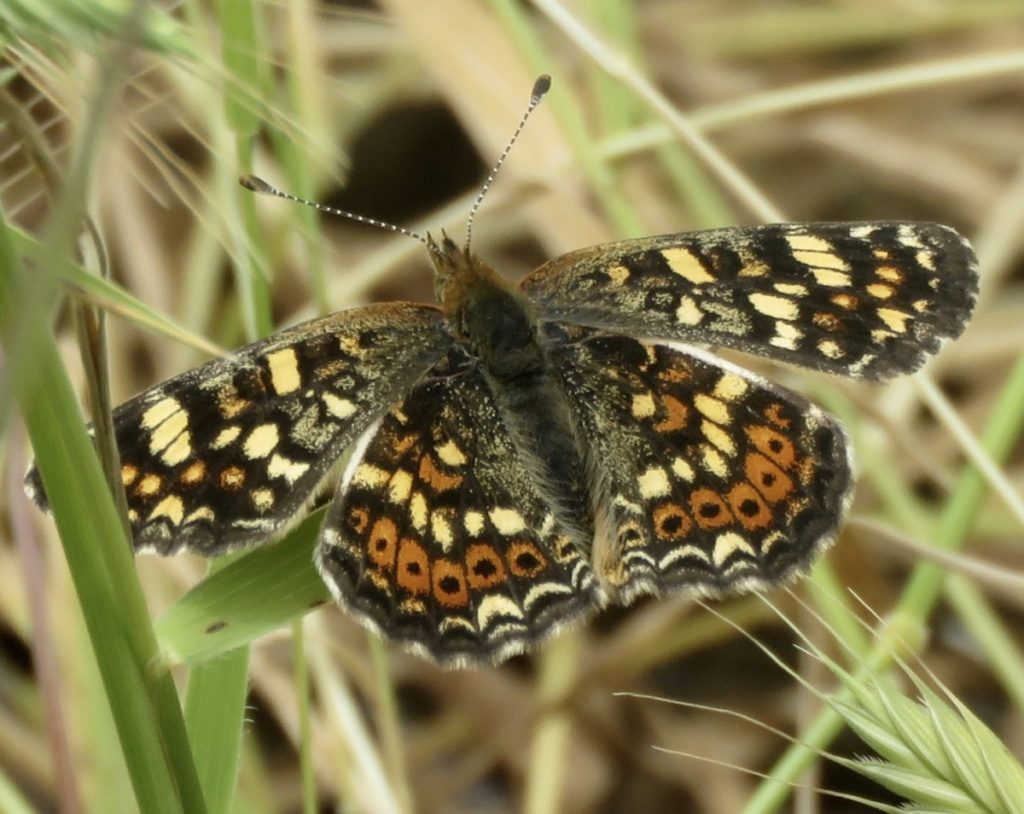 Field Crescent (Phyciodes pulchella). Liam was excited to find this one since its host, California aster, is rather sparse at Pier 94.…