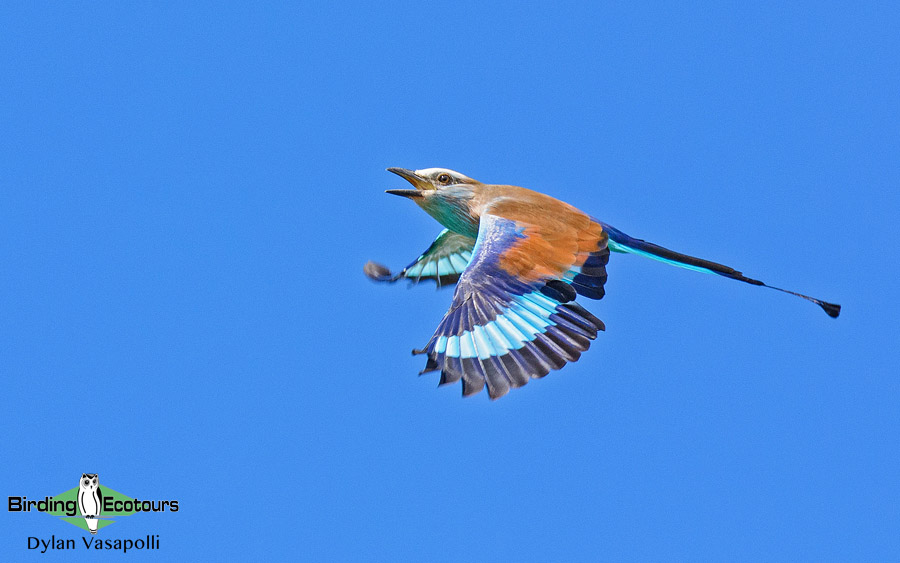
• Transylvania Adventure

    Most people who think of Transylvania don’t think past Count Dracula, its best-known resident. But in addition to its wonderfully preserved medieval towns and castles, the region also features some of Europe’s last pristine landscapes and some great birding. On this trip we’ll stay in two beautiful places; our rooms in both places have been carefully restored using traditional methods and materials. We begin the trip at the guesthouses at Count Kalnoky’s Estate, a short walk down the road from the estate’s restored hunting manor and park. We’ll also stay at The King’s Retreat, formerly the private nature retreat of King Charles III of England. During our stay in the area, we’ll visit a number of different ecosystems, from fishponds, marshes, meadows, and riparian corridors of the lowlands to several parks in the Southern Carpathian Mountains.
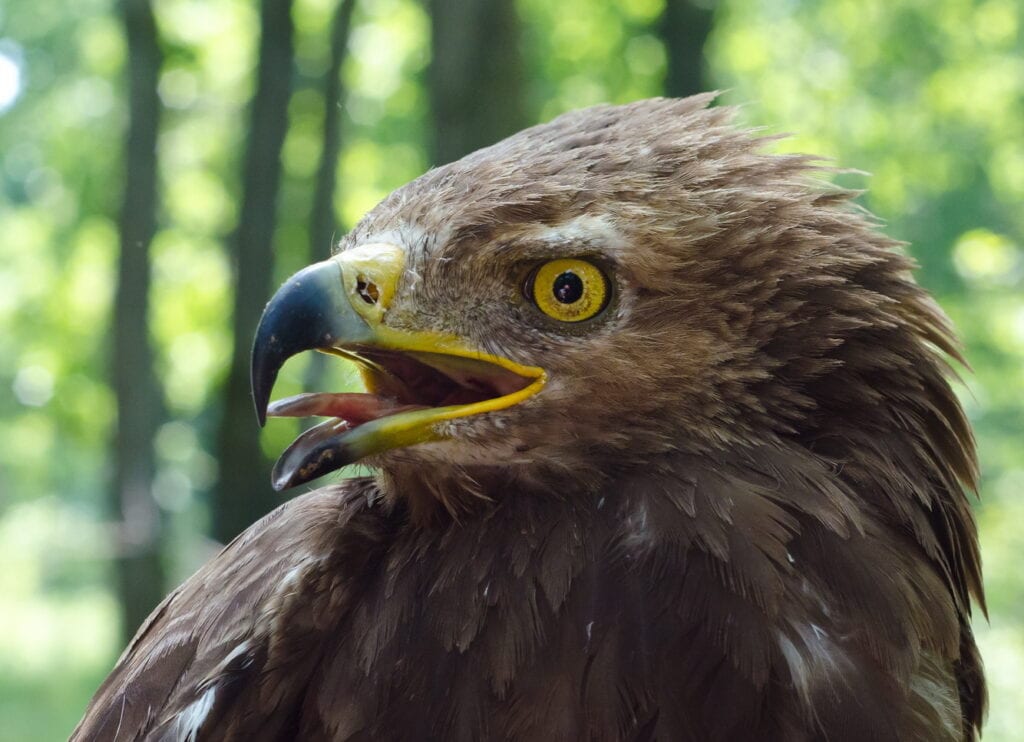
    Lesser Spotted EagleLesser Spotted Eagle

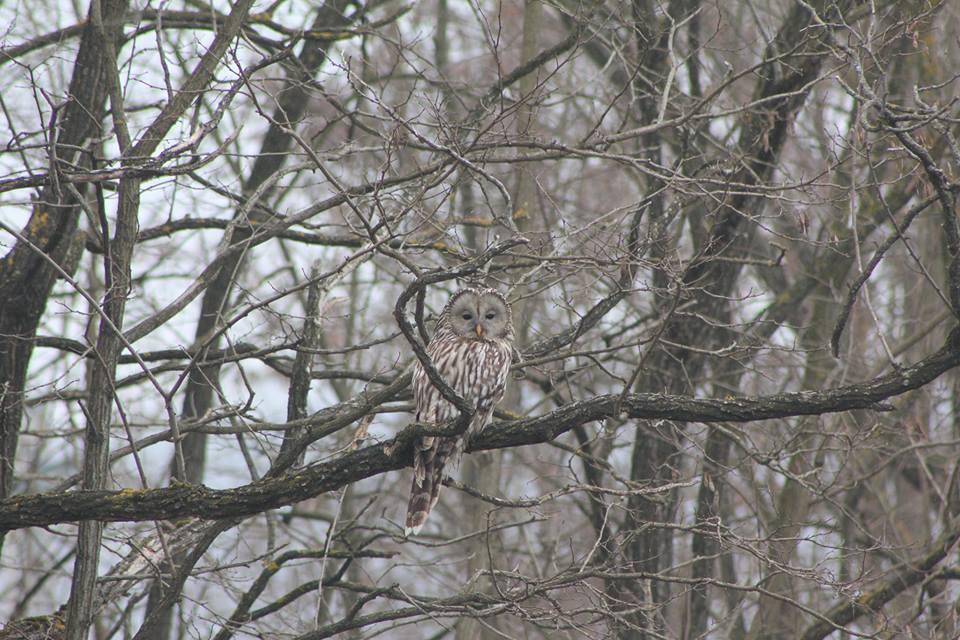
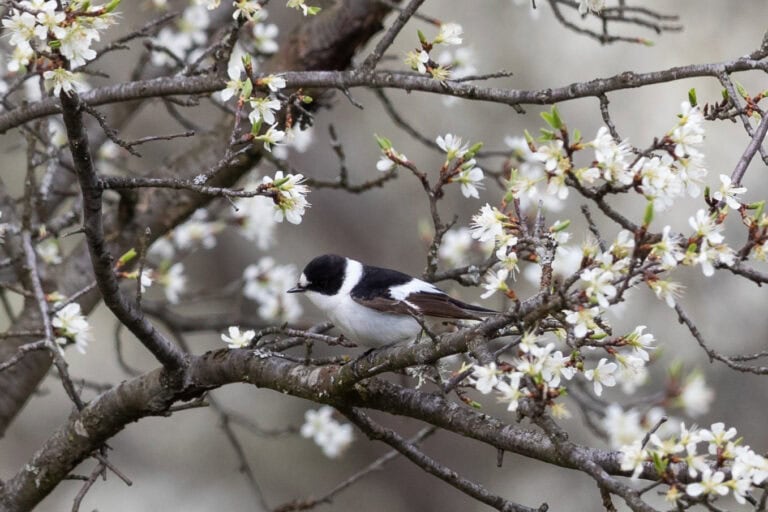
    We’ll have a good chance of seeing 150+ species on the trip. Each of the ecosystems we visit will offer us a different suite of birds. In the forests we’ll search for Treecreeper, Golden Oriole, Serin, Common and Black Redstart, flycatchers (including Collared, Red-breasted, Pied and Spotted), and lots of woodpeckers: Little Spotted, Middle Spotted, Great Spotted, Green, White-backed, Grey-headed, and Black. The meadows should yield Corncrake, Red-backed Shrike, Golden Oriole, Eurasian Hoopoe, Wryneck and Black Stork. In the mountains we’ll search for Water Pipit, Alpine Accentor, Nutcracker, Ring Ouzel Alpine Swift, Crag Martin, Rock Bunting and Wallcreeper. Raptors include Goshawk, Sparrowhawk, Red-footed Falcon, Honey Buzzard, White-tailed, Lesser Spotted and Short-toed Eagle. And we’ll do some birding at night with targets that include nightjars and several species of owl: Tawny, Ural, Long-eared, Scops, and Little.

    In addition to our days spent looking for birds, we’ll enjoy some local activities including some birding via horse and cart, a cable car ride high into the mountains, and an evening of bear watching from a nearby hide.  We’ll be treated to excellent local food and wines at both places we stay.

    PRICE
    3,225 Euros, per person, based on double-occupancy
    Single Supplement:  320 Euros

    Questions?  Ready to book?  Contact Eric at travelprogram@goldengatebirds.org.
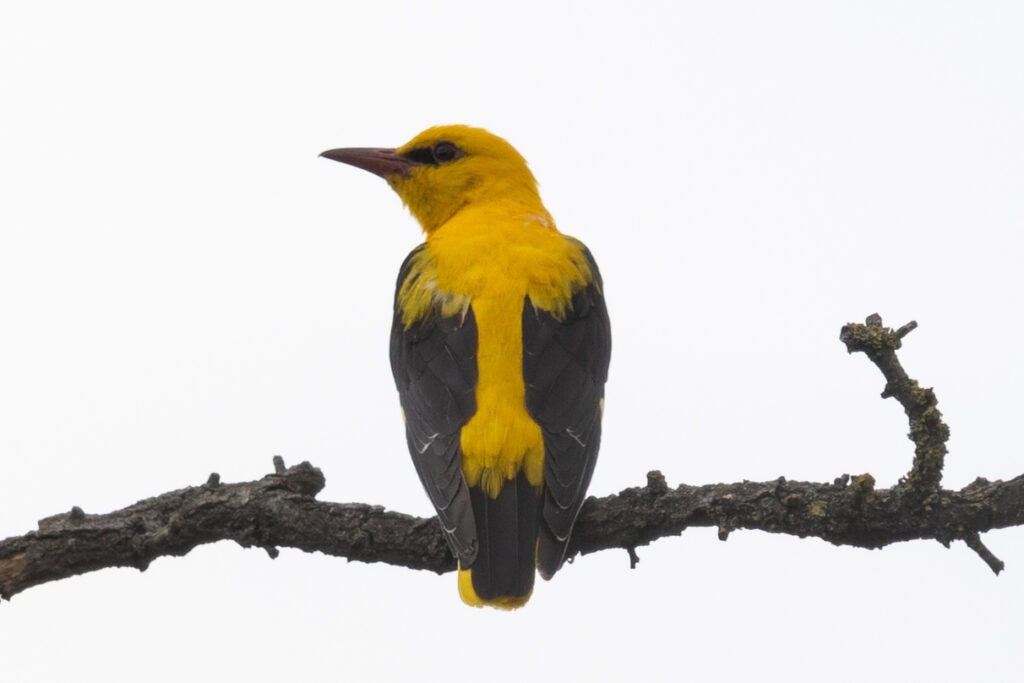
    Golden OrioleGolden Oriole
    Ural Owl

  • Southern Costa Rica

    Costa Rica’s remarkable avian diversity stems from its varied habitats, geographic positioning, topography, and climate.  With over 935 bird species recorded, including 7 endemic species, Costa Rica boasts one of the highest levels of bird diversity in the world, all within an area smaller than West Virginia.

    Golden-browed Chlorophonia by Mario Cordoba

    The southernmost mountain range in Costa Rica, the Talamanca, stretches across the southern half of the country into Chiriqui Province in western Panama. These mountains host numerous endemic bird species. Highlight species in this region include Volcano Hummingbird, Scintillant Hummingbird, Black-capped Flycatcher, Black-billed Nightingale-Thrush, Sooty Thrush, Timberline Wren, Ochraceous Wren, Dark Pewee, Black-and-yellow Silky-flycatcher, Long-tailed Silky-flycatcher, White-throated Mountain-Gem, Talamanca Hummingbird, Streak-breasted Treehunter, Ruddy Treerunner, Spangled-cheeked Tanager, Silvery-fronted Tapaculo, Sulphur-winged Parakeet, Sooty-capped Chlorospingus, Volcano Junco, Costa Rican Pygmy Owl, Large-footed Finch, Yellow-thighed Brushfinch, Ochraceous Pewee, Flame-throated Warbler, Black-cheeked Warbler, Collared Redstart, Peg-billed Finch, and Yellow-winged Vireo.

    Baird’s Trogon by Mario Cordoba

    The Osa Peninsula, originally an island, became part of the mainland due to tectonic activity. It remains isolated from other rainforests by drier habitats to the north and south, the Pacific Ocean to the west, and the high Talamancas to the east. This isolation has allowed many
    species, including birds, flora, and other fauna, to evolve uniquely. In the Costa Rican south Pacific lowland rainforest, including the Osa Peninsula, species restricted to this region include Charming Hummingbird, Costa Rican Swift, Baird’s Trogon, Fiery-billed Aracari,
    Golden-naped Woodpecker, Chiriqui Foliage-gleaner, Black-hooded Antshrike, Yellow-billed Cotinga, Orange-collared Manakin, Riverside Wren, Spot-crowned Euphonia, and the endemic Black-cheeked Ant-Tanager.

    Our tour will primarily focus on the Talamanca Mountain Range and Osa Peninsula but we will also visit the intermountain valleys of San Vito and El General. Between these regions, 70 endemic bird species can be found. Our objective is not only to observe these endemics
    but also to learn about these crucial areas of biodiversity.

    Our guide, Mario Cordoba, will provide illustrated lectures throughout the tour to enhance this educational experience. Our tour coincides with the peak of spring migration, with species from Central and South America moving north.

    During our trip we’ll visit:

    • Talamanca mountains in San Gerardo de Dota
    • Las Cruces Biological Station in San Vito area
    • Los Cusingos Bird Sanctuary & El General Valley
    • Pacific rainforest lowlands near Golfito and Osa Peninsula

    PRICE
    $3800 per person for double occupancy
    Single Supplement: $650

    For questions, or to register, contact Dawn at travelprogram@goldengatebirds.org.

  • Bhutan – Birds, Mammals and Monasteries

    Our first trip to Bhutan (scheduled for spring of 2021) fell victim to COVID. We waited two years before we were able to offer it. That year we ended up sending two groups. Was it worth the wait? I think you’d get a resounding “yes” from those who went, including GGBA Travel Coordinator Dawn Lemoine. This past spring it was our other Travel Coordinator, Eric Schroeder, who went, and he adds his voice to the chorus  (along with those of former GGBA Trip Leaders Bob Lewis, Eddie Bartley, and Noreen Weeden). For a complete list of the 340 species seen by this group, check out the trip report.

    .kb-image65152_7e0675-5b.kb-image-is-ratio-size, .kb-image65152_7e0675-5b .kb-image-is-ratio-size{max-width:473px;width:100%;}.wp-block-kadence-column .kt-inside-inner-col .kb-image65152_7e0675-5b.kb-image-is-ratio-size, .wp-block-kadence-column .kt-inside-inner-col .kb-image65152_7e0675-5b .kb-image-is-ratio-size{align-self:unset;}.kb-image65152_7e0675-5b figure{max-width:473px;}.kb-image65152_7e0675-5b .image-is-svg, .kb-image65152_7e0675-5b .image-is-svg img{width:100%;}.kb-image65152_7e0675-5b .kb-image-has-overlay:after{opacity:0.3;}

    It’s no wonder that it’s possible to see so many birds in a trip that’s less than three weeks long. Bhutan, a country roughly the size of Maryland, has almost 600 species of birds. Over 70% of its land is forested with 25% protected by National Parks. You’ll visit a range of environments varying from sub-tropical at 150m to alpine at over 4,500m. On this 19-day trip, some of the major targets you’ll be looking for include the big three pheasants—Himalayan Monal, Satyr Tragopan, and Blood Pheasant—as well as some unusual birds like the Ibisbill, some beautiful birds like the Fire-tailed Myzornis, Ward’s Trogon and the aptly named Beautiful Nuthatch, and some critically endangered birds like the Rufous-necked Hornbill and the White-bellied Heron. You can also expect to see 10-15 species of mammals (the group this year was fortunate enough to see Red Panda). Our Bhutanese guide from Langur Eco Travels will not only introduce you to the fauna but also the flora of Bhutan (we’re visiting during the spring peak rhododendron bloom) and its culture (our trip includes visits to several famous sites, including the Tiger’s Nest Monastery).

    60 Minutes recently ran a fascinating segment on Bhutan. Click here to watch it.

    Date: April 20 – May 6, 2026

    TOUR COST
    Group Size: 3 – 8 guests
    Total: US$4,985 per person, double occupancy
    Total: US$5385 per person, single occupancy

    FLIGHTS

    Druk Air/Bhutan Airlines

    Bangkok to Paro and Guwahati to Bangkok + US$935 per person

    Note: Flight costs are current prices and are subject to change 

    For more information, or to sign up for this trip, contact Dawn Lemoine at travelprogram@goldengatebirds.org. Please do not contact the vendor.…

  • Warbler Grand Tour

    Have you ever wanted to see them all?  By “them all” we mean the Warblers, of course!

    This trip, run by She Flew Birding Tours, ventures into Kentucky, Ohio, and Michigan to see all the eastern warblers plus many other passerines. Expect 200+ species including the rare Kirtland’s Warbler in their Jack Pine habitat.

    Each spring, this region explodes with migrating warblers and other beautiful passerines all dressed up in their best feathers. As they migrate through, the males are singing and many of the leaves aren’t fully out yet. This makes for great viewing and photographing.

    Dawn is doing this trip in May 2025, so she will be able to tell you all about it!  

    Sam Zuckerman, GGBA member, took the trip in 2024.  Here’s his list of warblers observed.  (They got them all – 36!)

    .kb-image66391_82a7d8-6d.kb-image-is-ratio-size, .kb-image66391_82a7d8-6d .kb-image-is-ratio-size{max-width:351px;width:100%;}.wp-block-kadence-column .kt-inside-inner-col .kb-image66391_82a7d8-6d.kb-image-is-ratio-size, .wp-block-kadence-column .kt-inside-inner-col .kb-image66391_82a7d8-6d .kb-image-is-ratio-size{align-self:unset;}.kb-image66391_82a7d8-6d figure{max-width:351px;}.kb-image66391_82a7d8-6d .image-is-svg, .kb-image66391_82a7d8-6d .image-is-svg img{width:100%;}.kb-image66391_82a7d8-6d .kb-image-has-overlay:after{opacity:0.3;}
    Kentucky Warbler / Sue Riffe

    Ovenbird, Worm-eating Warbler, Louisiana Waterthrush, Northern Waterthrush, Golden-winged Warbler, Blue-winged Warbler, Black-and-white Warbler, Prothonotary Warbler, Swainson’s Warbler, Tennessee Warbler, Nashville Warbler, Connecticut Warbler, Mourning Warbler, Kentucky Warbler, Common Yellowthroat, Hooded Warbler, American Redstart, Kirtland’s Warbler, Cape May Warbler, Cerulean Warbler, Northern Parula, Magnolia Warbler, Bay-breasted Warbler, Blackburnian Warbler, Yellow Warbler, Chestnut-sided Warbler, Blackpoll Warbler, Black-throated Blue Warbler, Palm Warbler, Pine Warbler, Yellow-rumped Warbler, Yellow-throated Warbler. Prairie Warbler. Black-throated Green Warbler, Canada Warbler, Wilson’s Warbler

    PRICE:
    Double Occupancy – $3,995
    Single Supplement = $700
    Deposit:  $1,300

    Questions?  Ready to sign up?  Contact Dawn at travelprogram@goldengatebirds.org.

  • Alaska

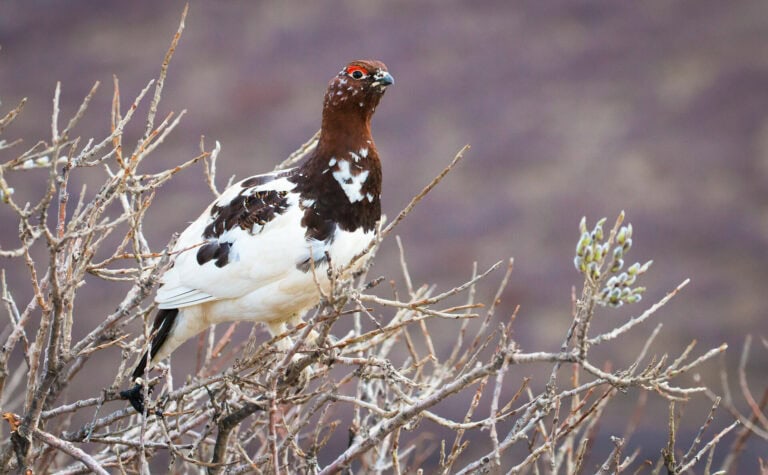
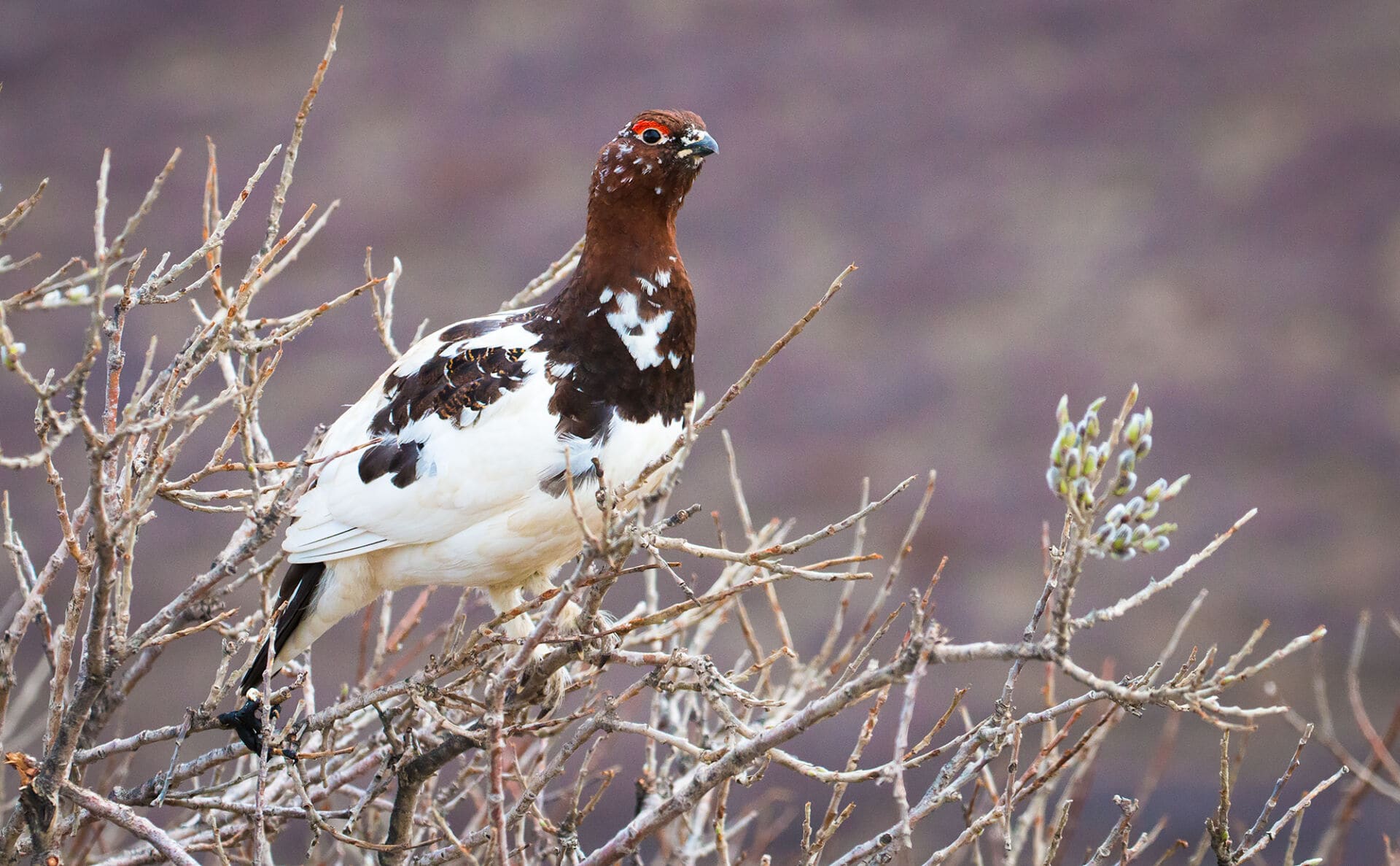
    This trip with Wild Latitudes has become a GGBA favorite. The itinerary is perfect for first-time visitors to Alaska, but also for returning nature lovers who want to learn more about this fascinating place. Our focus will be birding as well as wildlife watching (Moose, Grizzly Bears, Dall Sheep, Caribou, and Sea Otters) with some geology and ecology in the mix. Special birds we’ll be looking for include Horned Puffin, Willow Ptarmigan, Long-tailed Jaeger, Gray-cheeked Thrush, Bluethroat, and Arctic Warbler. We’ll explore several major

    .kb-image65883_e28794-6c.kb-image-is-ratio-size, .kb-image65883_e28794-6c .kb-image-is-ratio-size{max-width:636px;width:100%;}.wp-block-kadence-column .kt-inside-inner-col .kb-image65883_e28794-6c.kb-image-is-ratio-size, .wp-block-kadence-column .kt-inside-inner-col .kb-image65883_e28794-6c .kb-image-is-ratio-size{align-self:unset;}.kb-image65883_e28794-6c figure{max-width:636px;}.kb-image65883_e28794-6c .image-is-svg, .kb-image65883_e28794-6c .image-is-svg img{width:100%;}.kb-image65883_e28794-6c .kb-image-has-overlay:after{opacity:0.3;}

    ecosystems across Alaska, including rugged coastlines, boreal forests, and subarctic tundra. The tour begins in Fairbanks, then we head to Denali National Park. Next, we visit the Kenai Peninsula, where we’ll take a day-long boat ride into beautiful Kenai Fjords National Park. The final few days are an exciting exploration of Nome in the far west. We’ll venture out on backroads to experience the subarctic tundra ecosystem. This tour will be an exciting, educational adventure all around!

    If you are interested in this trip, please contact Dawn first.  She will put you in contact with Wild Latitudes.

    Cost for the 11-day tour: $6,995 Single Supplement: $1,600

    Photo: Willow Ptarmigan by Ivan Phillipsen