• Napa River with Dolphin Charters

    This trip is now full. You may register to be on a waiting list in case of cancellations

    Even before leaving the dock, we’ll spot diving ducks and grebes feeding!
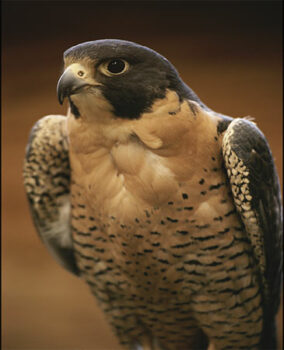
    Peregrine Falcon

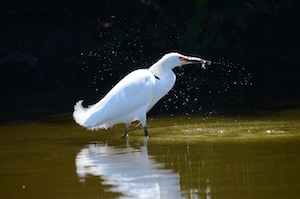
    At Mare Island, we’ll pass Ospreys and Egrets tending their nests or roosting in nearby trees. Frequently a pair of Peregrine Falcons can be seen as the boat passes under Highway 37. Upriver, we’ll cruise alongside the Napa/Sonoma marshes with a variety of land and water birds. The river is being restored to a “Living River,” leading to a huge increase in the number and kinds of birds that can be seen close at hand. Raptors are common, and we may see both Bald and Golden Eagles on this trip.

    Departs from the Vallejo Marina. Please arrive 30 minutes before departure time. Participants will be emailed directions and other logistics one week before the trip.

    Dolphin Cruises requires that participants have completed a full course of vaccination and booster shots. Please bring a mask.  

    Registration will close at 11pm on April 20, 2022.

    Registrants: If you have any questions email rnakano@goldengatebirdalliance.org or call Ryan at (510) 227-6190. 

  • Birding and Natural History in Southeast Arizona

    Southeast Arizona is one of the most biologically diverse areas in the United States.  Habitats include the Sonoran Desert with its dramatic columnar cacti, the Chihuahuan desert with its grasslands and desert scrub, and the dramatic “Sky Islands” where species from the Rocky Mountains and Mexico’s Sierra Madre come together.  During our journey, we’ll explore most of these habitats, encounter a great diversity of plants and animals, and enjoy fine weather at one of the richest times of year.  We’ll visit many of the birding and wildlife hotspots – Madera Canyon, the Patagonia area, Huachuca Canyon, and the San Pedro River.

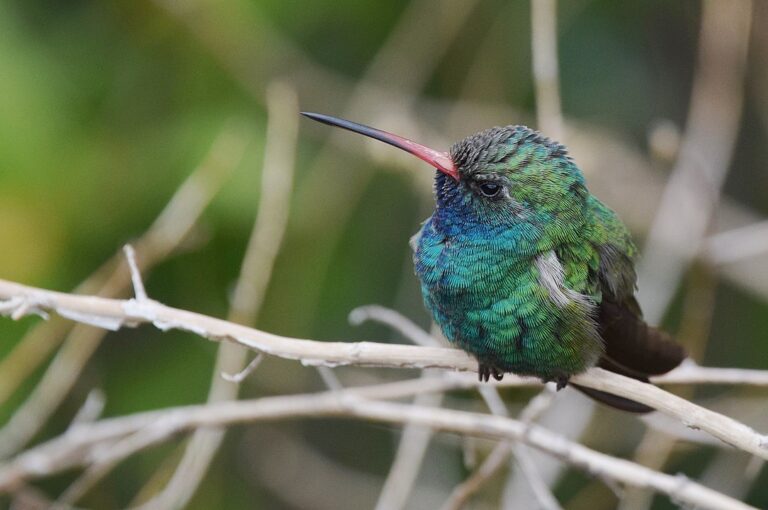
    Broad-billed HummingbirdBroad-billed Hummingbird by Eric Schroeder
    Species we’re likely to see include elegant trogon, gray hawk, zone-tailed hawk, vermilion flycatcher, painted redstart, Grace’s, Lucy’s, red-faced and other warblers, three species of Myiarchus flycatcher (ash-throated, brown-crested, and dusky-capped), thick-billed kingbird, northern beardless tyrannulet, greater pewee, yellow-eyed junco, up to seven species of hummingbirds, many sparrows (five-striped, Botteri’s, rufous-winged, black-throated, rufous-crowned), Scott’s oriole, and many others.

    In addition to birds, the area is well known for its butterfly diversity.  While May is not the peak season for butterflies, we should see as many as 15 – 20 species.  Mammal diversity in the area is also high, and we’ve seen 20 species on past trips.  And of course, with this being the Southwest, we may see as many as 10 species of reptiles.

    This trip is led by naturalist and bird guide Mark Pretti, a long-term, much loved tour guide for GGBA.

    If you are interested in this trip, please contact Dawn from GGBA  first.  She will put you in touch with Mark Pretti. This trip is currently FULL.

    Please note that the Duquesne House in Patagonia (where we’ll be for 2 nights) has only 4 rooms and that a single will only be possible if you stay at a nearby home.  The single supplement for this trip is $200 if you share at Duquesne and $275 if you don’t share.

  • The Heart of Chile

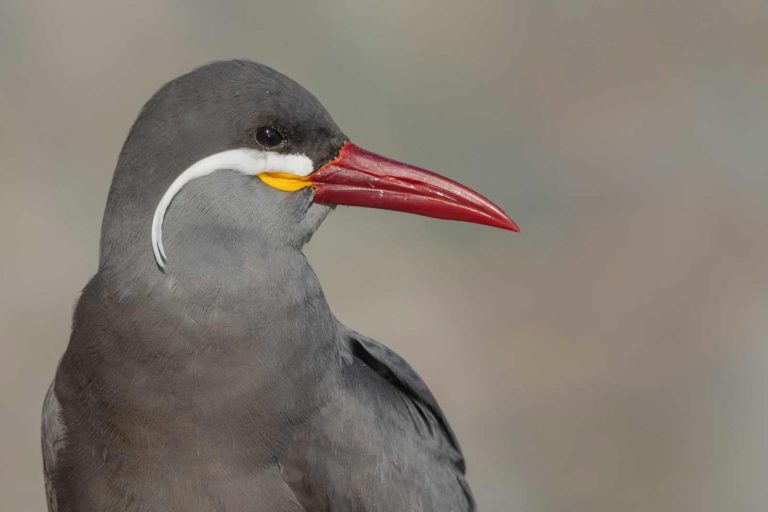
    With optional Southern Patagonia extension. Birding Chile is a quest aimed at discovering the endemics and specialties of this 3,000-mile long and narrow biogeographical country.  Chile is a land of huge contrasts, truly a geographic extravaganza. On this birding adventure we will explore Chile’s incredibly diverse habitats and marvel at some of the most beautiful landscapes on Earth, while enjoying top-class hotels and cuisine.  From Mediterranean scrub to the windswept steppes of Tierra del Fuego and Patagonia, our search for the avian specialties of this long and narrow country will take us from the high Andes to the cold and productive waters of the Humboldt Current in the Pacific. We will find many interesting species, some of them with very restricted distributional ranges and some endemic to the country.

    Trip dates are January 21 – 31, 2022, with an optional Southern Patagonia Extension from  January 31 – February 5, 2022.

    Trip Highlights:

    • Three (3) pelagic trips and 4 ferry rides offering great opportunities for pelagic specialties of the eastern Pacific and Southern Ocean.
    • The magnificent Andean Condor and Magellanic Woodpecker and stunning waders including Diademed Sandpiper-Plover, Magellanic Plover, Tawny-throated Dotterel, Rufous-chested Dotterel and Two-banded Plover.
    • Up to nine endemic species including Slender-billed Parakeet, Crag Chilia, Moustached Turca and White-throated Tapaculo. We will also search for the quasi-endemic Chestnut-throated Huet-huet.
    • A spectacular system of national parks and nature reserves protecting some of the most beautiful places on Earth.

    Heart of Chile Cost Structure:

    4 to 5 guests @ US $5,331 per person, based on double room occupancy.

    6 to 7 guests @ US $4,168 per person, based on double room occupancy.

    8 guests @ US $3,588 per person, based on double room occupancy.

    Single room supplement @ US $550.

    Southern Patagonia Extension Cost Structure:

    4 to 5 guests @ US $2,324 per person, based on double room occupancy.

    6 to 7 guests @ US $1,862 per person, based on double room occupancy.

    8 guests @ US $1,621 per person, based on double room occupancy.

    Single room supplement @ US $273.

    Click HERE for the full itinerary.

    For more information, or to sign up for this trip, contact Dawn Lemoine at travelprogram@goldengatebirdalliance.org.  Please do not contact the vendor first.…

  • Mines Road

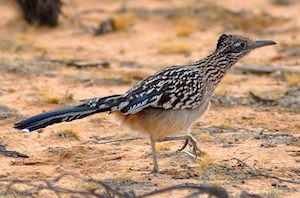
    Enjoy a full day exploring Lake Del Valle and Mines and San Antonio Valley Roads in this still-empty corner of the Bay Area. Our route will take us along isolated roads that run through varied habitat from Livermore through the mountains of Alameda and Santa Clara Counties. We might see Phainopepla, Greater Roadrunner, Lewis’s Woodpecker, and migrant warblers, along with the usual oak woodland and scrub species.

    Greater Roadrunner by Jessie Eastland

    The road is narrow and turnouts are short so we are limiting the trip to 20 participants. Carpooling will be mandatory. It will be dangerous if we caravan with more than five cars.

    This trip will require carpooling. Participants will need to have a complete course of vaccination and booster shots and should bring a mask.  

    Pack a lunch, water, and snacks. There are no services (including restrooms) on Mines Road unless the Junction Cafe is open, which is not dependable. Plan on being self-sufficient.We will send trip details to confirmed participants. Contact the leaders if you have questions.

    Registration will close at 11pm on April 12, 2022.

    Registrants: If you have any questions email rnakano@goldengatebirdalliance.org or call Ryan at (510) 227-6190. 

  • Behind the scenes at Pacheco Marsh

    The Lower Walnut Creek Restoration Project restores and enhances nearly 200 acres of habitat, including four miles of creeks and channels. The project serves as a model for similar tidal baylands restoration efforts elsewhere around the Bay. Like most wetlands in California, this area has been heavily damaged over the years. It also is extremely valuable for wildlife and managing water.

    This is a unique opportunity to visit a major restoration site immediately after completion of earthwork. New native plantings will be taking root and we will view the freshly cut channels where the creek was reconnected to Suisun Bay tidal influence after being disconnected since the ’60s. The marsh to upland habitat gradient will increase ecological resiliency in the face of sea level rise. Future public trail access is planned as part of the restoration, so we can look forward to adding this as a birding destination.

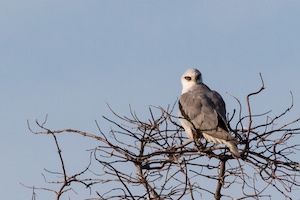
    The site is at Pacheco Marsh, where Walnut Creek flows into Suisun Bay. We’ll likely see White-tailed Kite, Northern Harrier, marsh songbirds such as Common Yellowthroat, and we’ll look and listen for rails. Special status subspecies, including Suisun Song Sparrow, also inhabit the site. Note that as this is a new restoration, the bird population will be smaller than it will be when the plantings have grown up, but this is an opportunity to see an exciting restoration site at its very beginning. 

    See: https://www.contracosta.ca.gov/5784/LowerWalnut-Creek-Restoration-Project  and

    https://jmlt.org/2021/10/29/last-levee-breaks-at-pacheco-marsh-restoration/

    We may walk up to a mile on a flat gravel road. The Flood Control District’s carpool van will travel down the road with us so you can ride or walk as preferred. The restoration contractors have porta-potties on site which may be available to participants. Otherwise, the only nearby restroom is the vault toilet at Waterbird Preserve, about 1.5 miles away. Please bring water.

    This trip will require carpooling. Participants will need to have a complete course of vaccination and booster shots and should bring a mask.  

    Registration will close at 11pm on April 10, 2022.

    Registrants: If you have any questions email rnakano@goldengatebirdalliance.org or call Ryan at (510) 227-6190.