Two weeks on the Farallones
By Michael Pierson
I recently had the pleasure of spending two weeks volunteering on the Farallon Islands as part of an invasive plant removal team. I work as a naturalist on a local whale watching boat and have spent many weekends circling the islands, wishing I could set foot on this forbidden place. The many books and articles I’ve read had given me an idea of what it would be like, but the reality was so much more than I imagined.
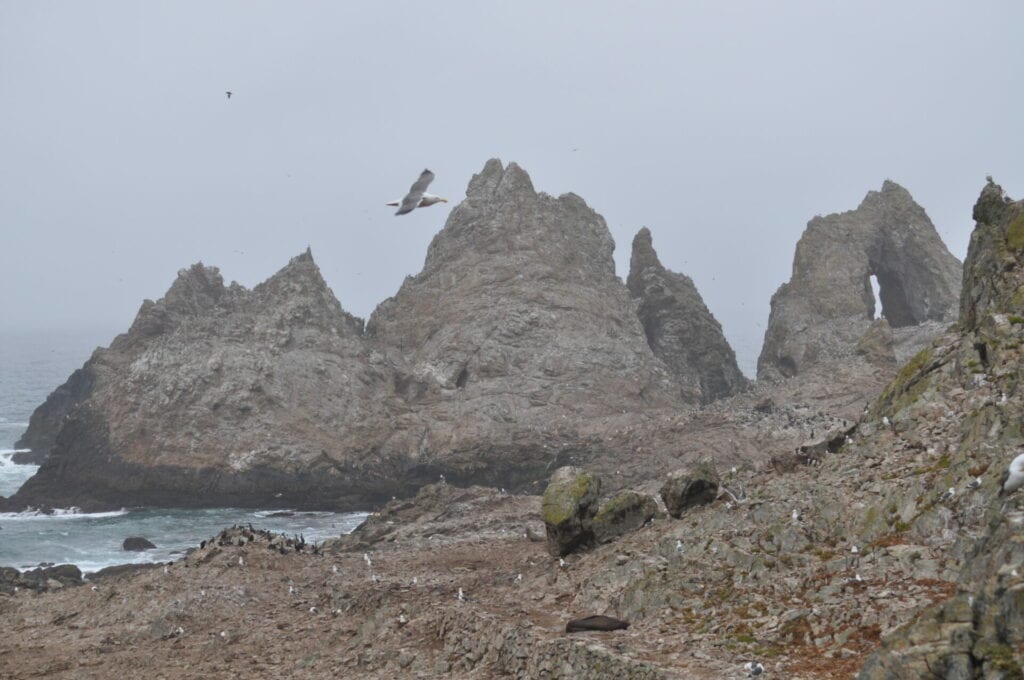 View with nesting gulls from the Farallon Islands by Michael Pierson
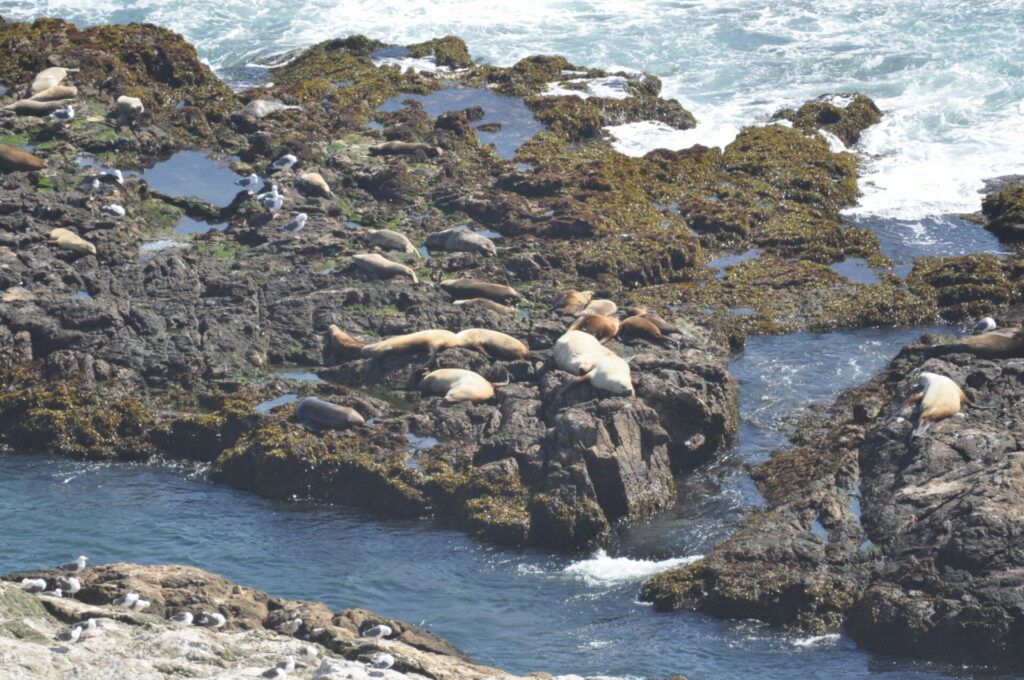 Marine mammals on the Farallones by Michael Pierson
There’s lots of planning: filling out paperwork, rolling sleeping bags, cleaning the camera lens, and completing food order lists. This last task is no easy feat. Trying to determine how many apples, eggs, or slices of cheese you’ll consume in a week is harder than you would think. There’s limited storage, fresh food can go bad, and it all must travel to the island with you because you can’t just run to the store if you forgot to buy milk.
Flexibility is important because you don’t have a departure date so much as a window. If you’ve done a trip around the islands, you know the weather can be quite mercurial and accessing the islands is dangerous enough in good conditions. Four days before the target departure, we still didn’t know if we would be going. The wind picked up and didn’t seem to be calming any time soon. Finally, forty-eight hours before our anticipated departure, the forecast predicted a break in the wind and e-mails went out: “The trip is a go.”
The departure day started early, with everyone arriving at the dock by 6 a.m. so we could get there and unload the boat before the wind started again. Supplies and gear were loaded and we passed under the Golden Gate for a bumpy ride to the islands. On the boat were the U.S. Fish and Wildlife Service crew that I was part of and researchers from Point Blue Conservation Science, the non-profit organization that conducts most of the research on the island. Several of the researchers got seasick right away; fortunately, my time working on a boat saved me from the same fate.
I’d traveled this route countless times before, but this felt different. As the islands became visible in the fog and the smell of thousands of pinnipeds and hundreds of thousands of birds began to burn my nostrils, I couldn’t wipe the smile off my face.…
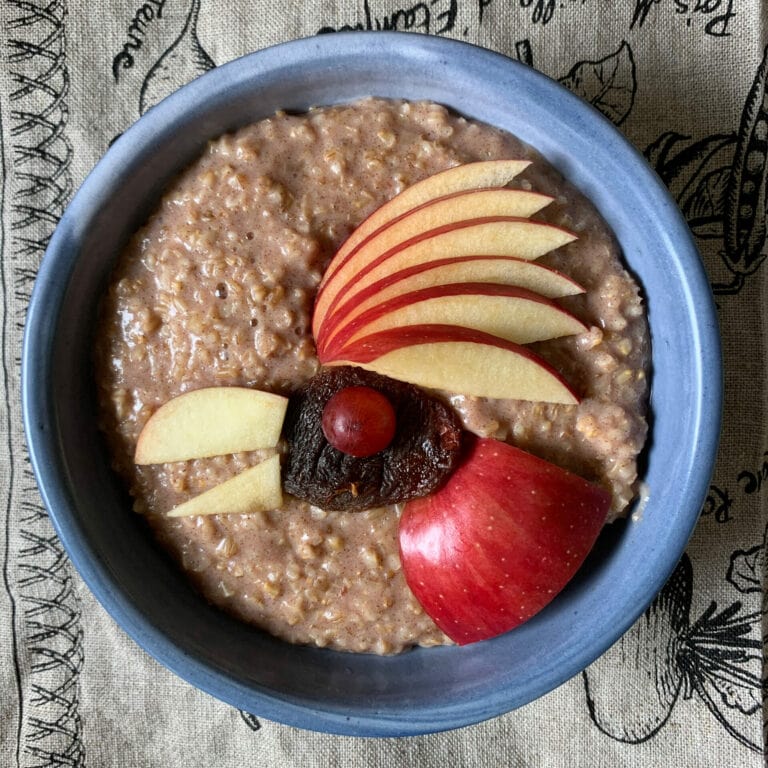
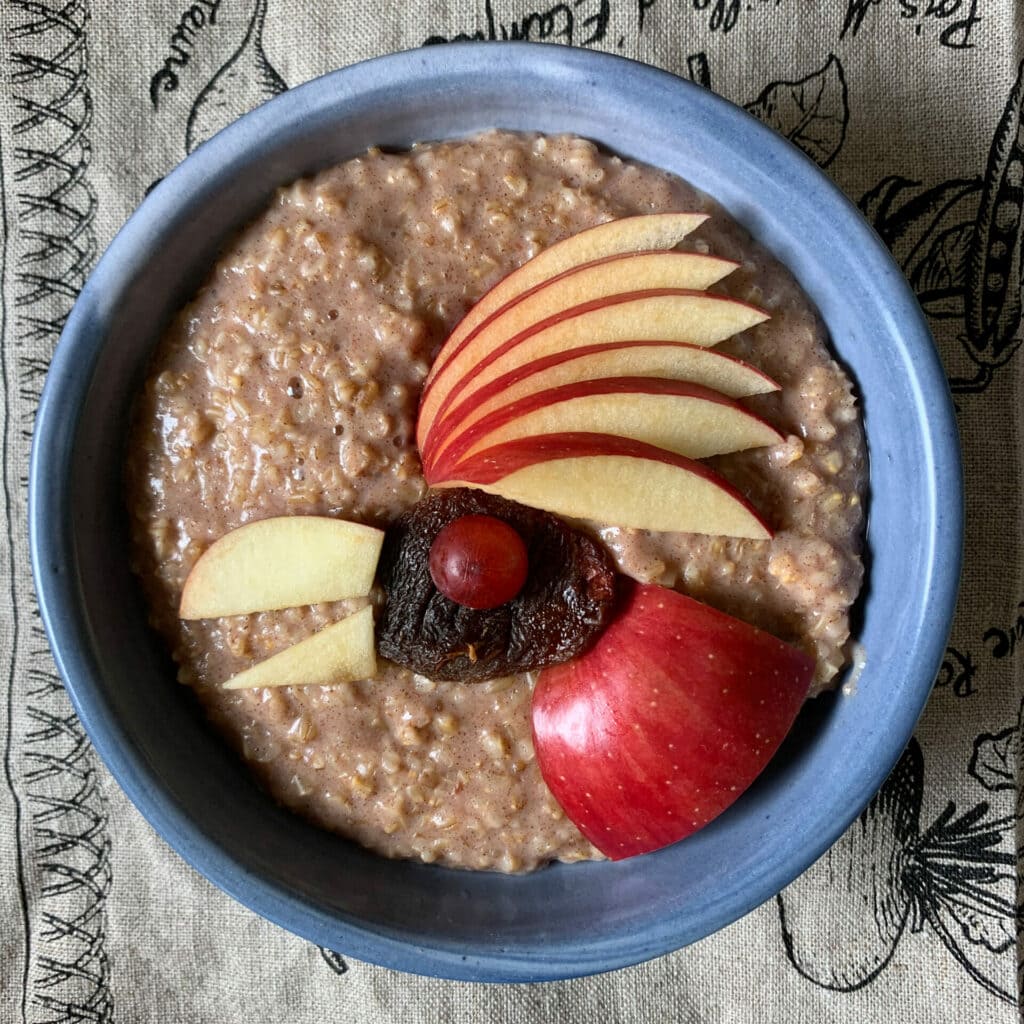 Breakfast cockatoo by Alan Krakauer
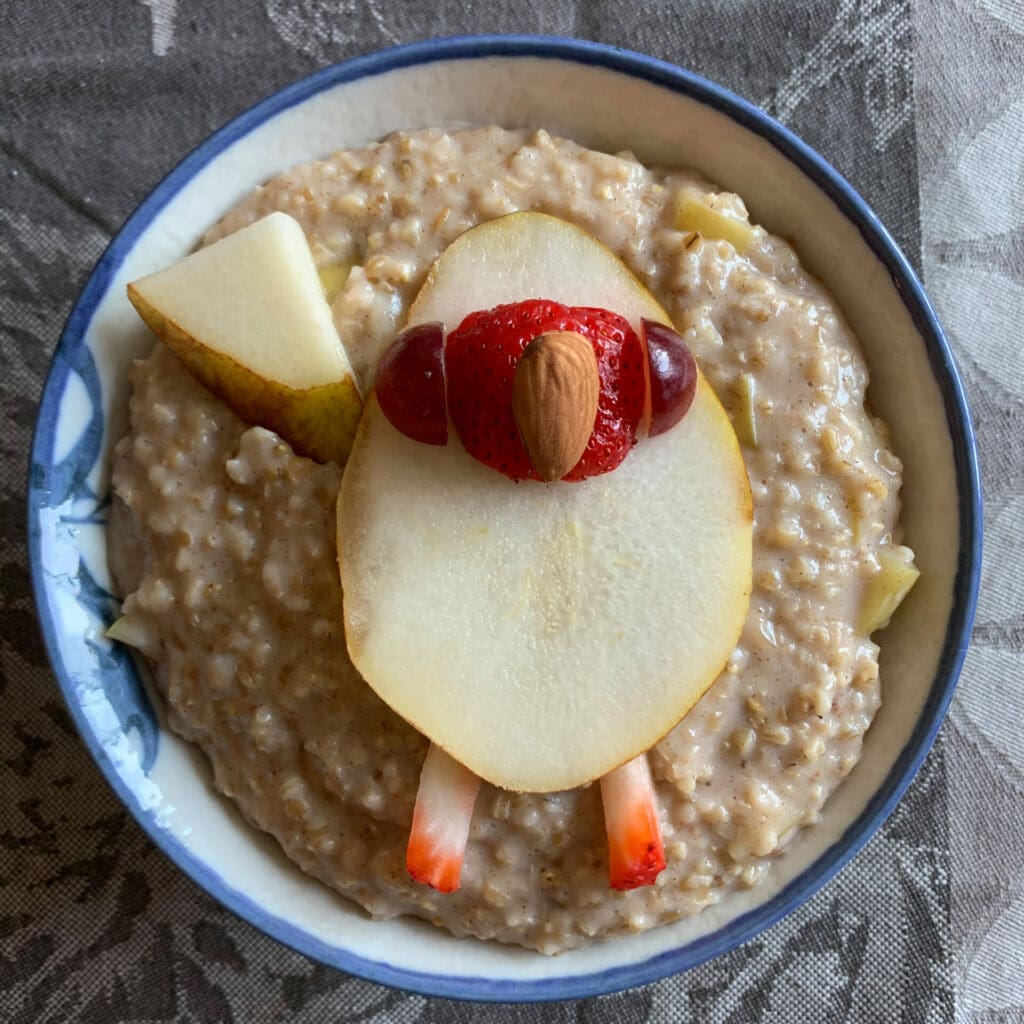 Northern Cardinal in the style of Charley Harper, by Alan Krakauer
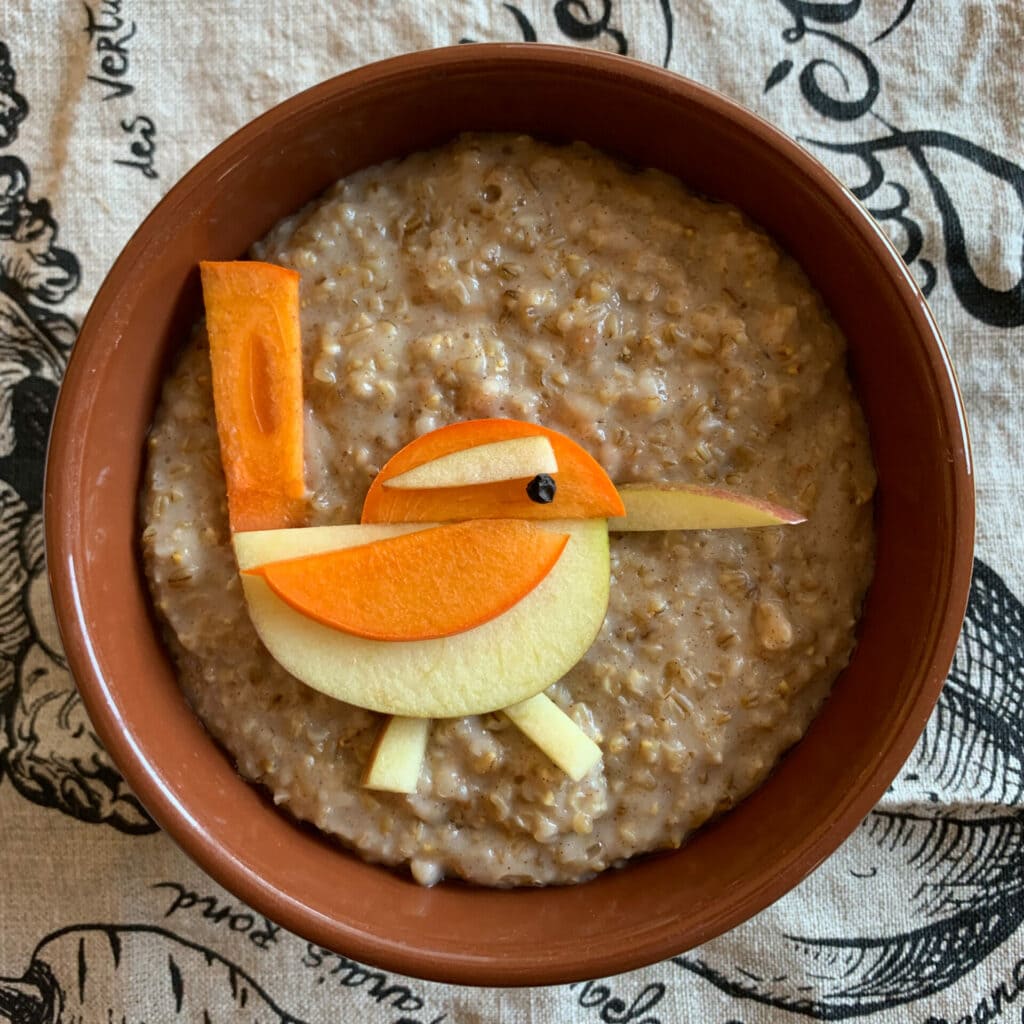 Bewick’s Wren for breakfast by Alan Krakauer
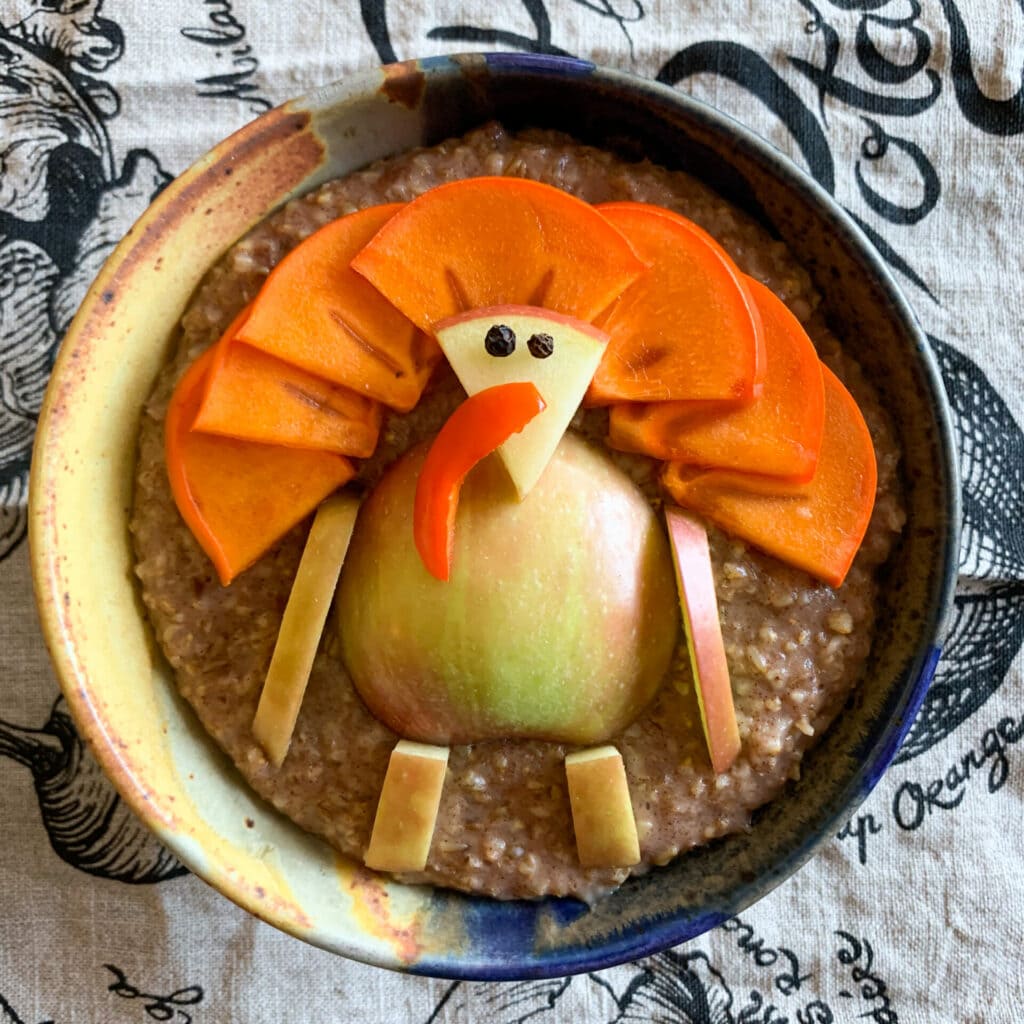 Wild Turkey for breakfast by Alan Krakauer
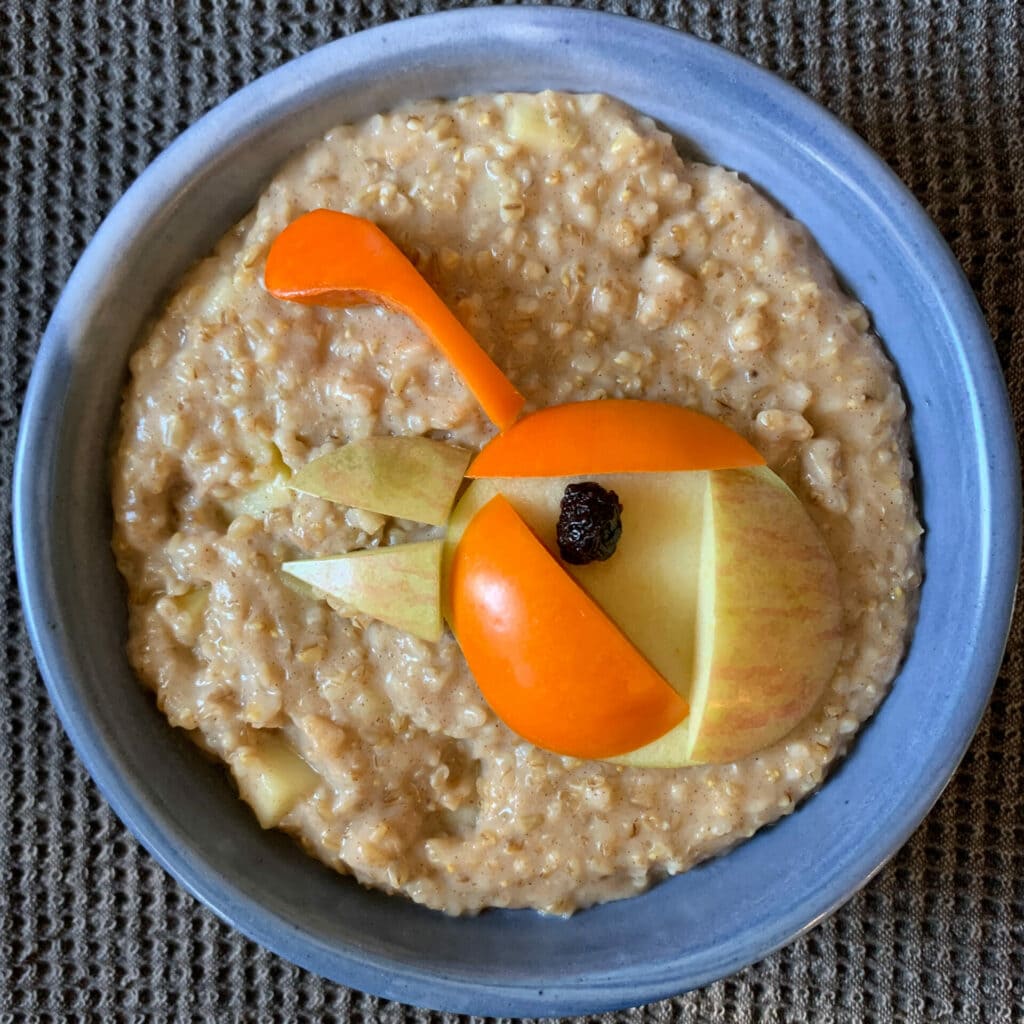 California Quail by Alan Krakauer
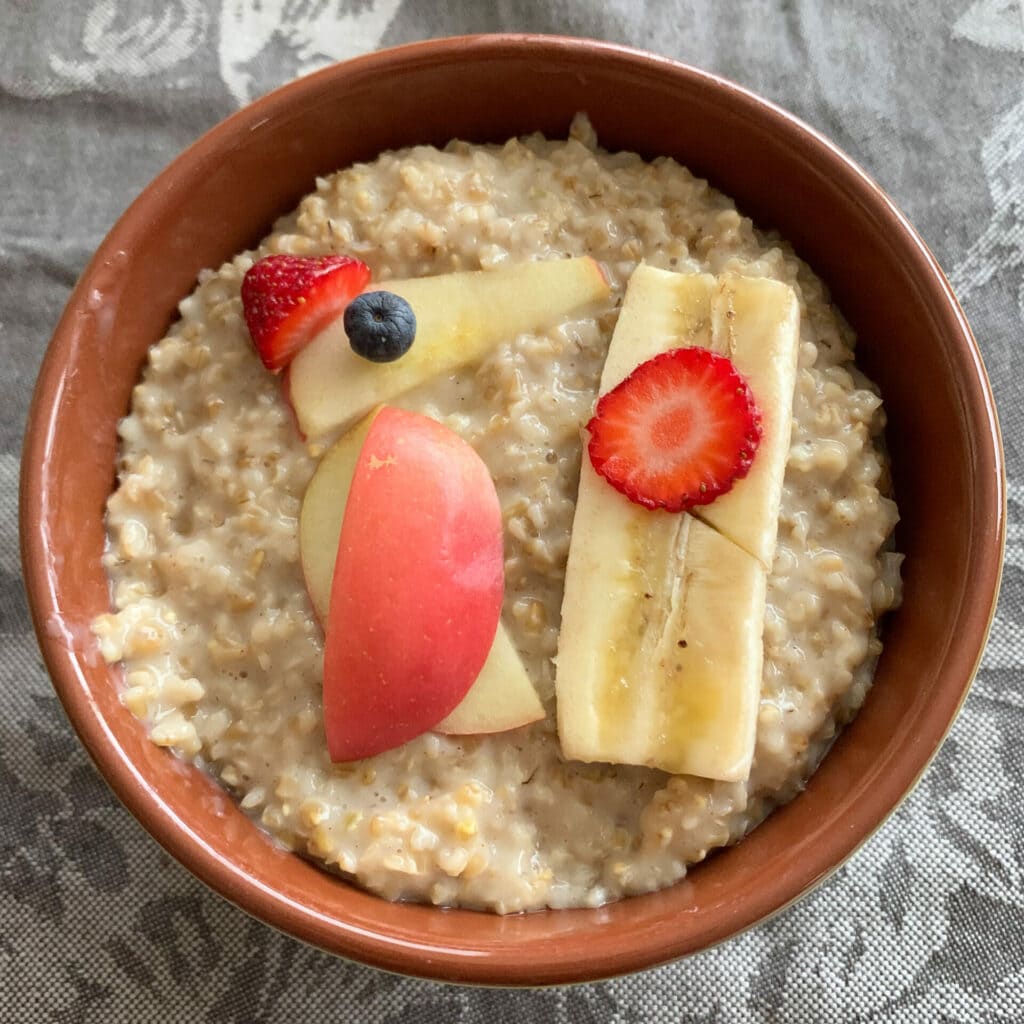 Pileated (?) woodpecker by Alan Krakauer
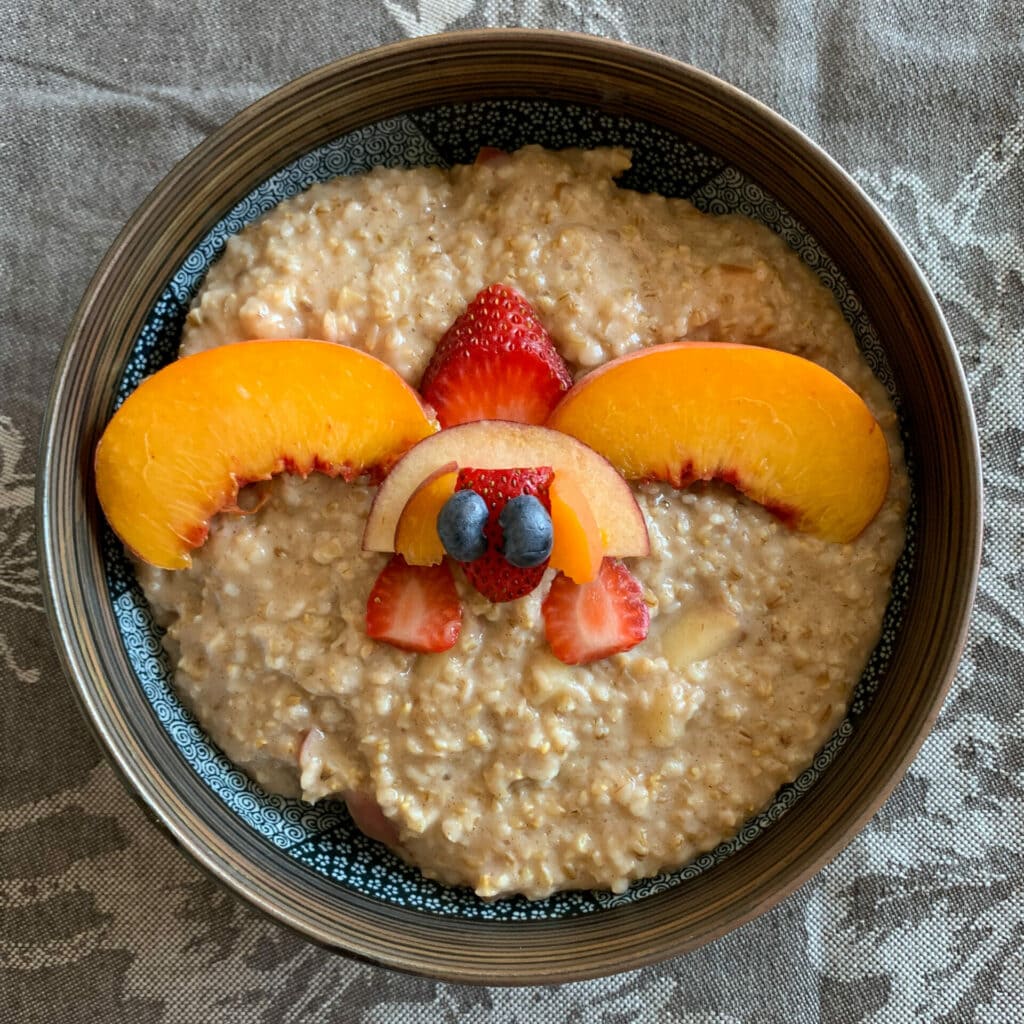 Prairie chicken or Sharp-tailed Grouse by Alan Krakauer
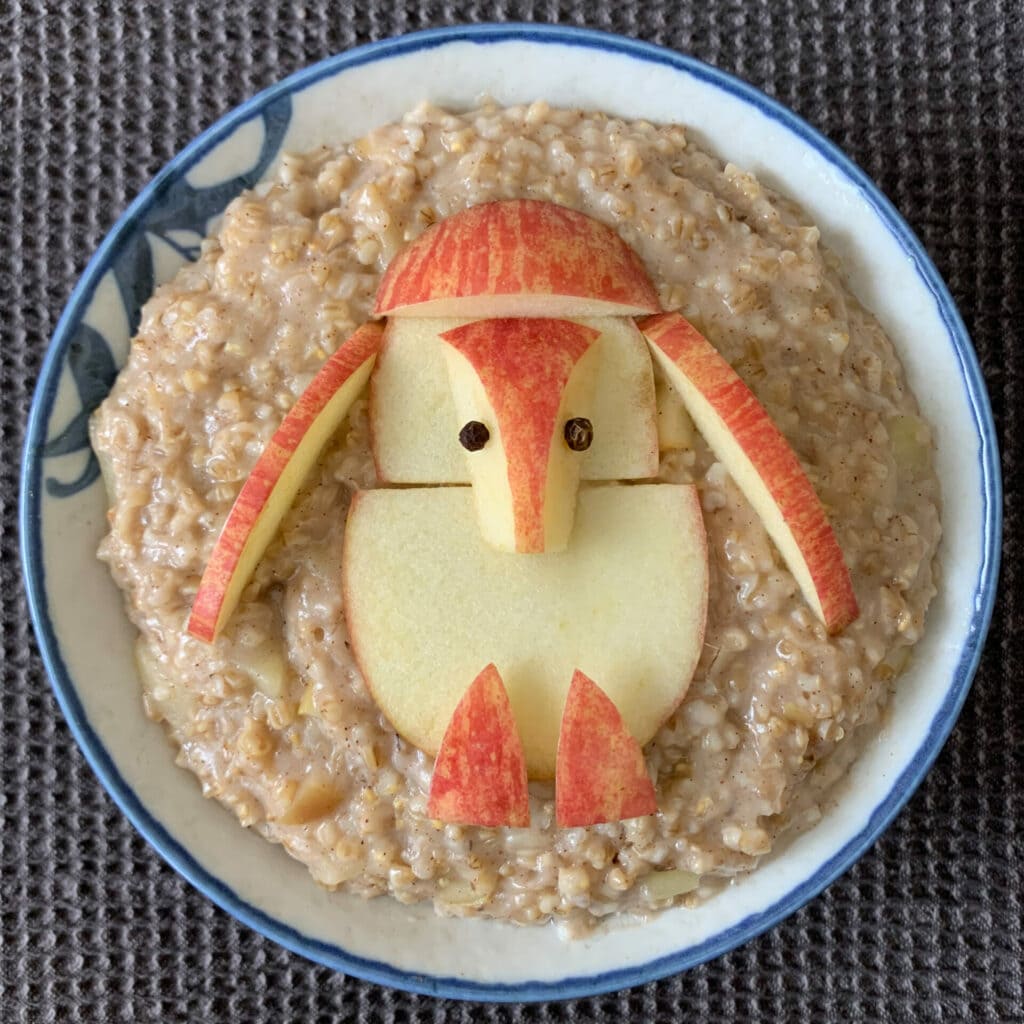 Penguin, definitely in the style of Charley Harper, by Alan Krakauer
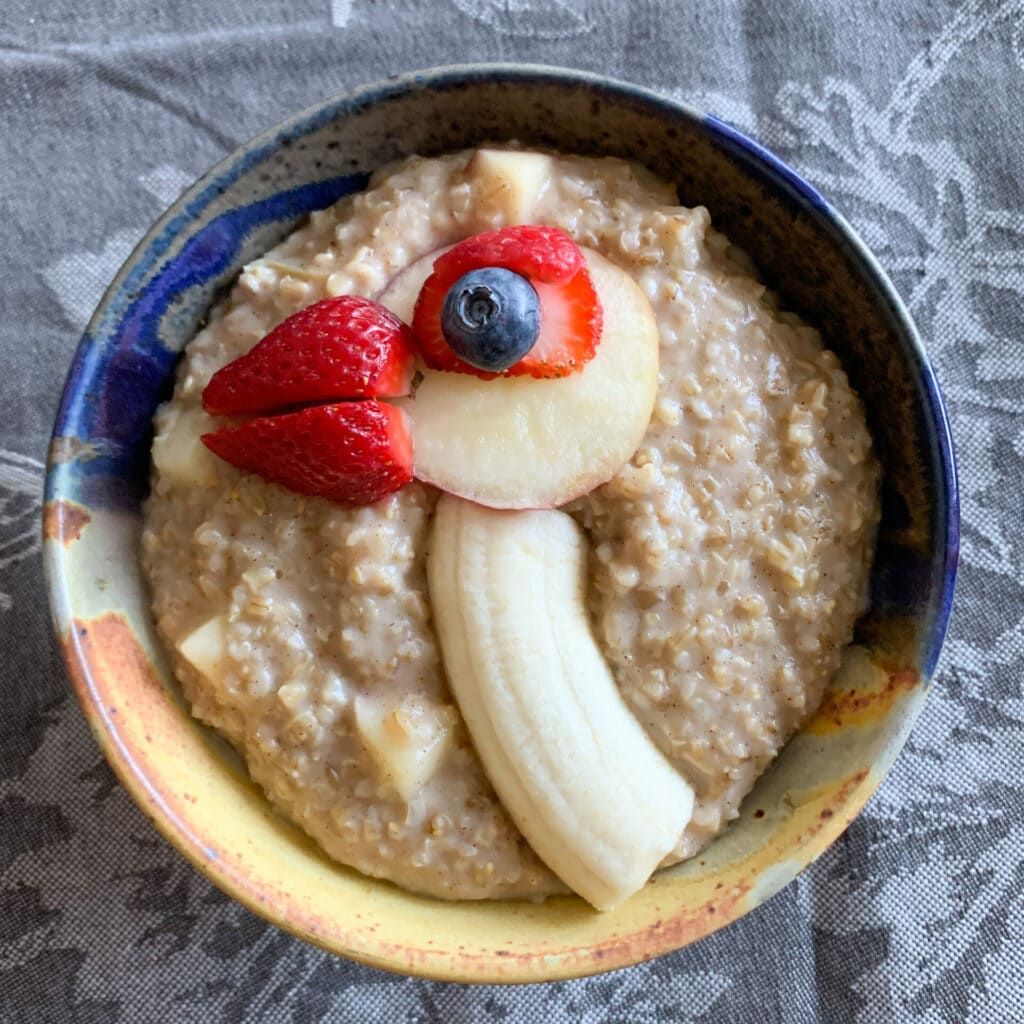 Ostrich for breakfast by Alan Krakauer
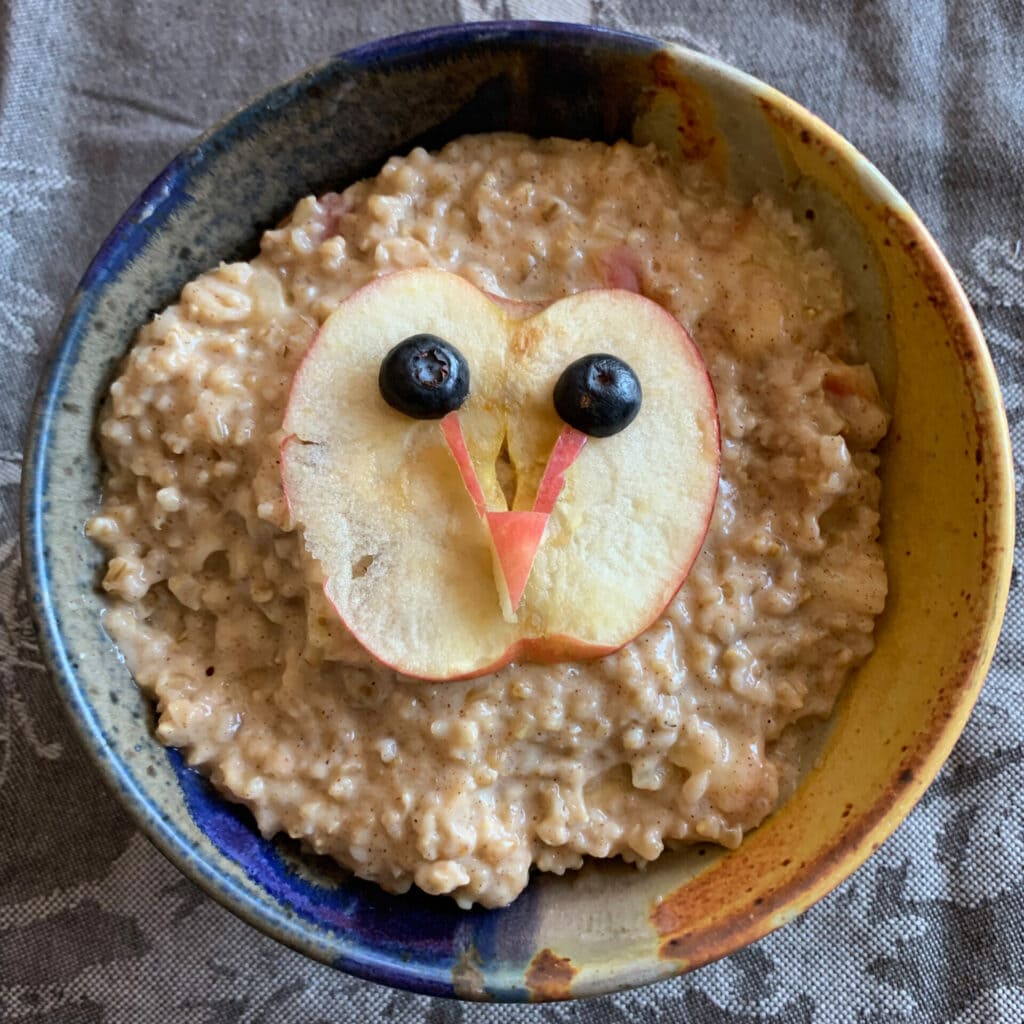 Breakfast Barn Owl by Alan Krakauer
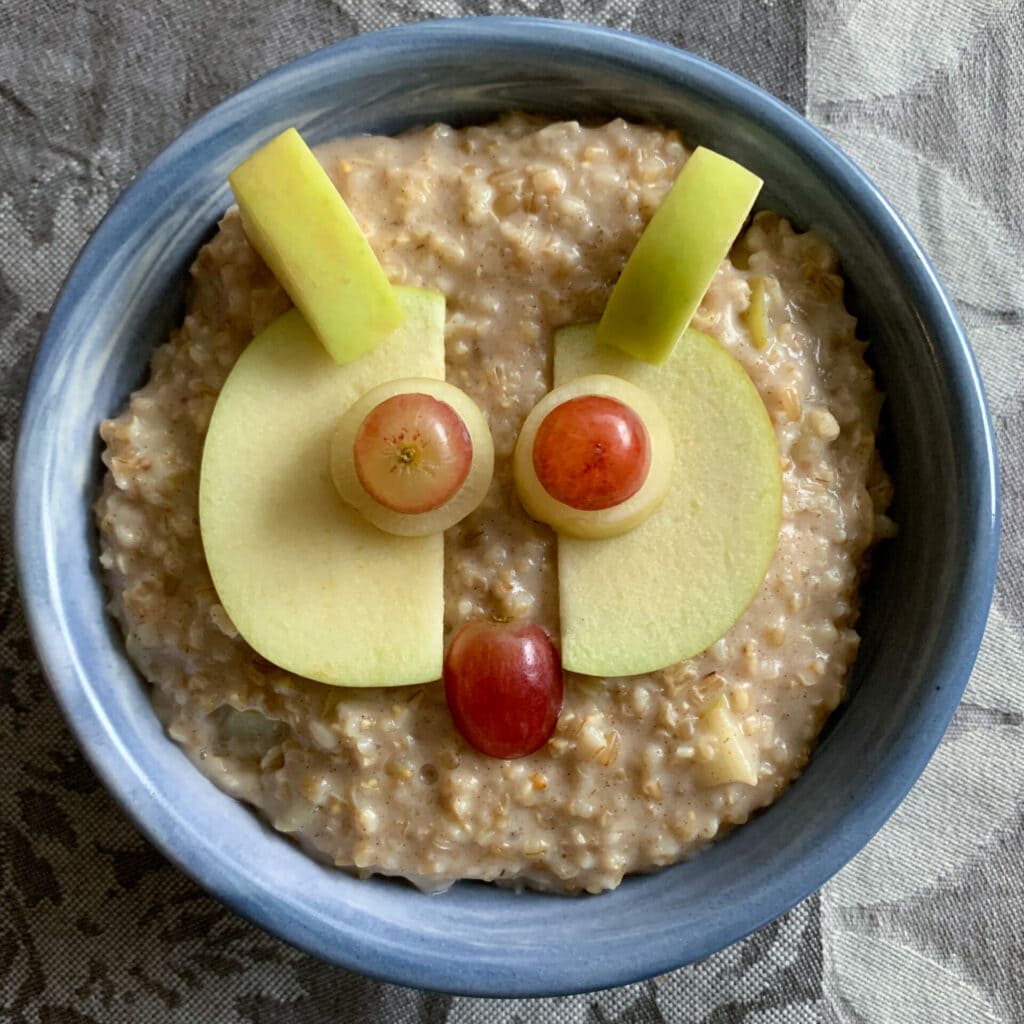 Great Horned Owl by Alan Krakauer
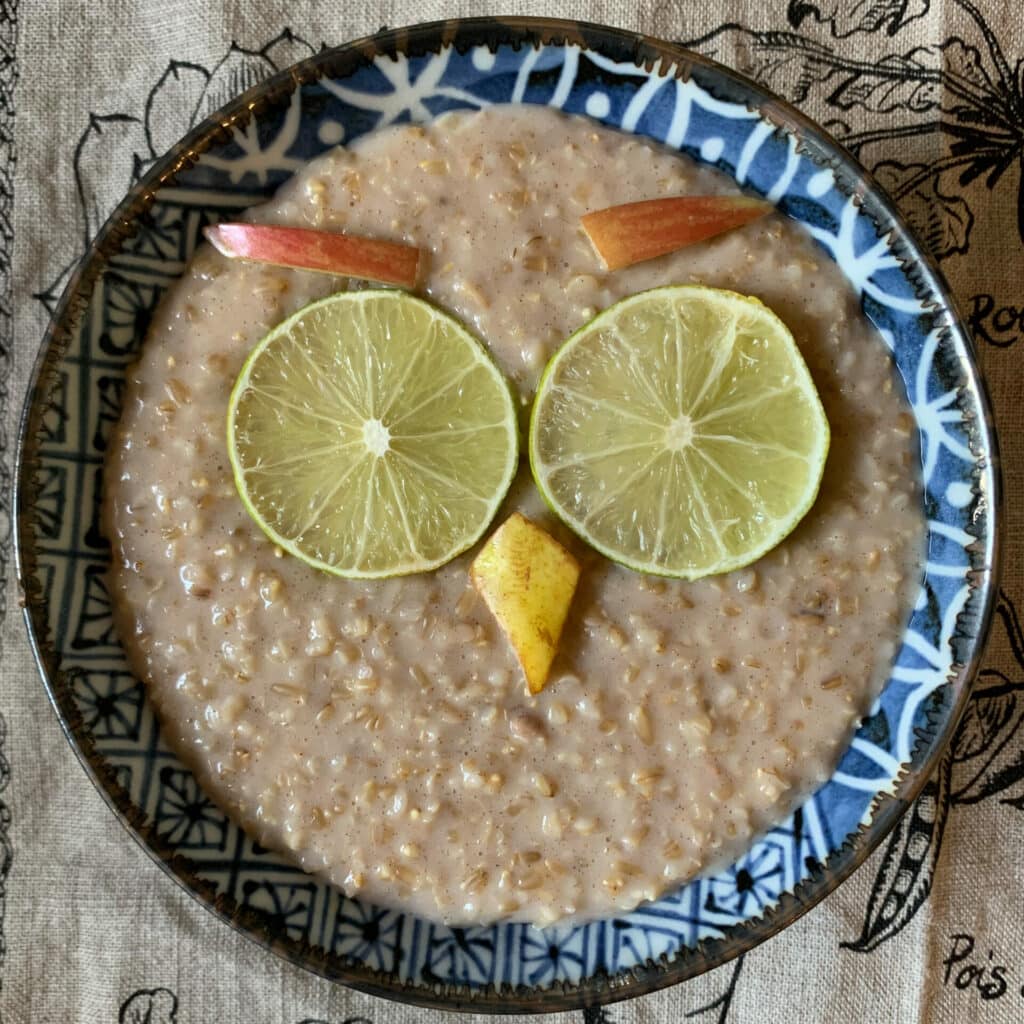 Another Great Horned Owl by Alan Krakauer
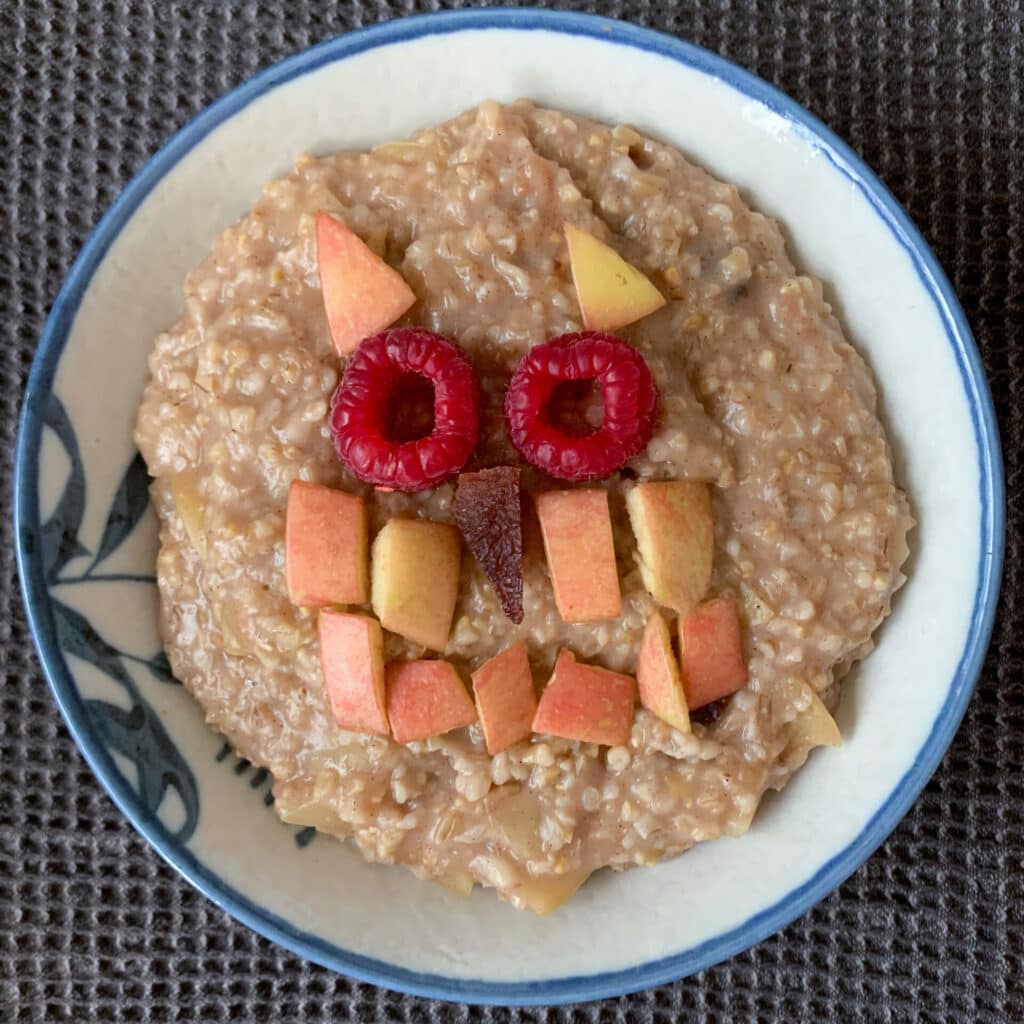 Yet another Great Horned Owl by Alan Krakauer
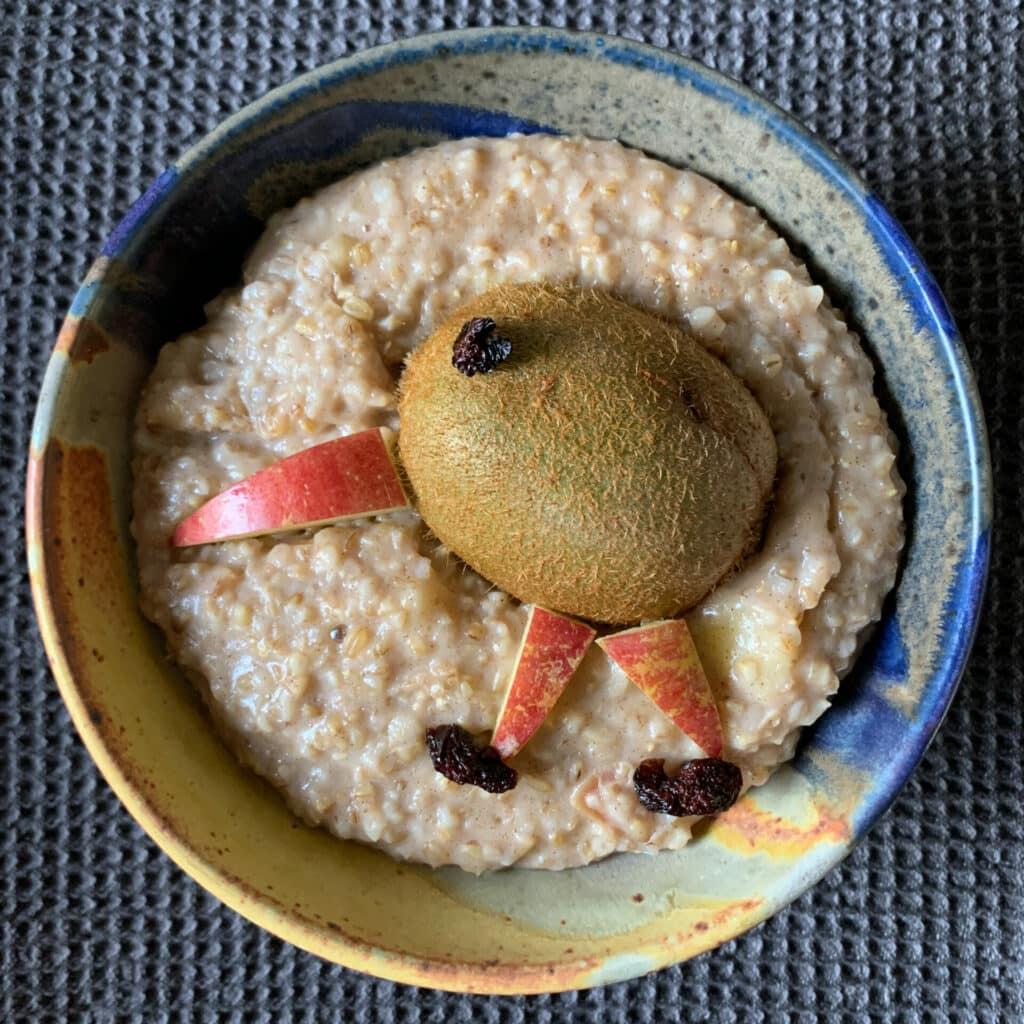 A kiwi, obviously, by Alan Krakauer
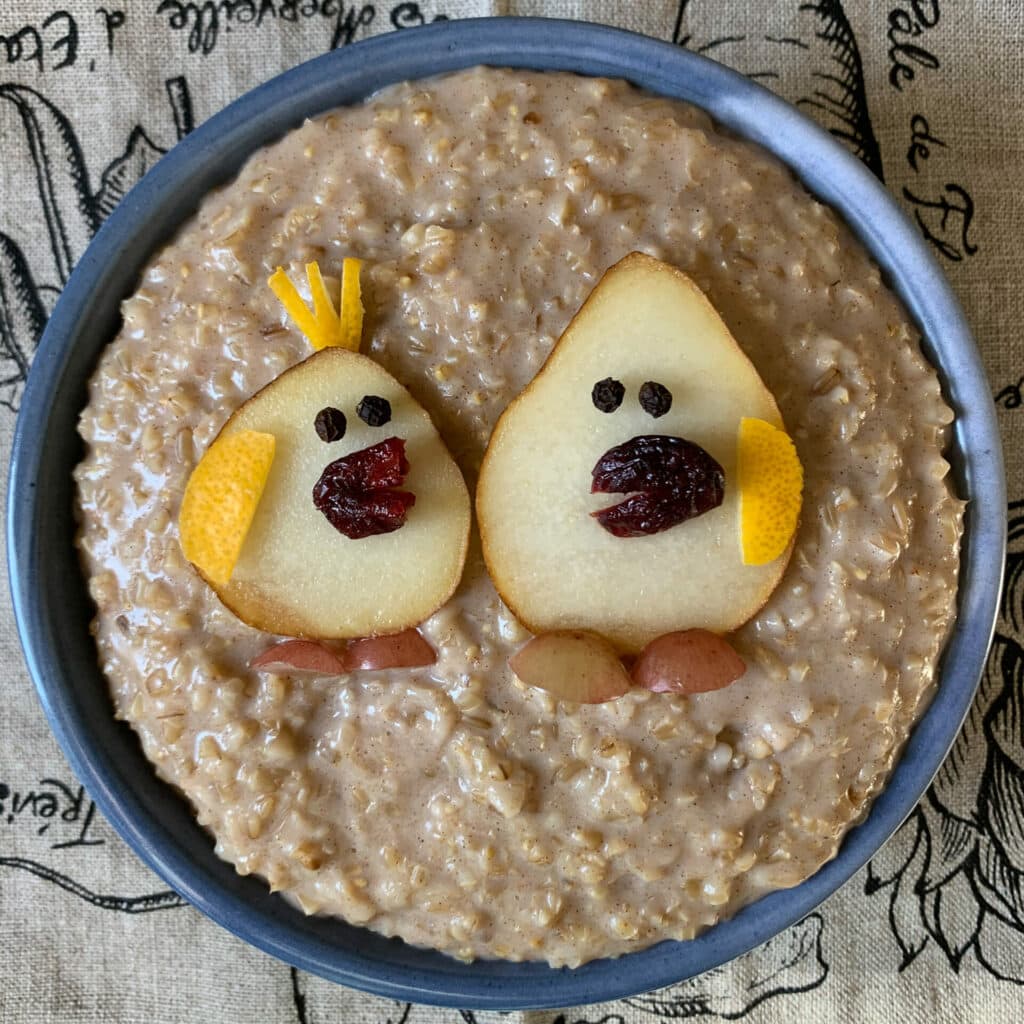 “Birbs,” unknown species, by Alan Krakauer
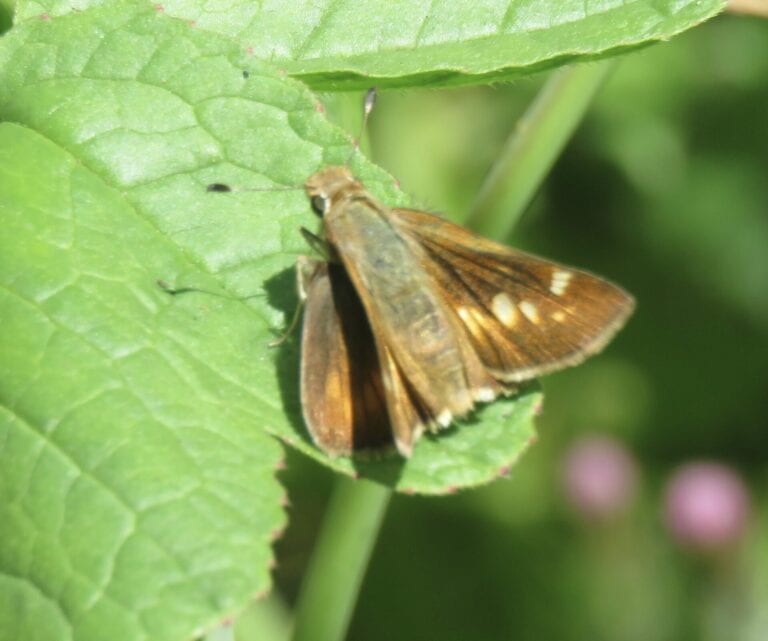
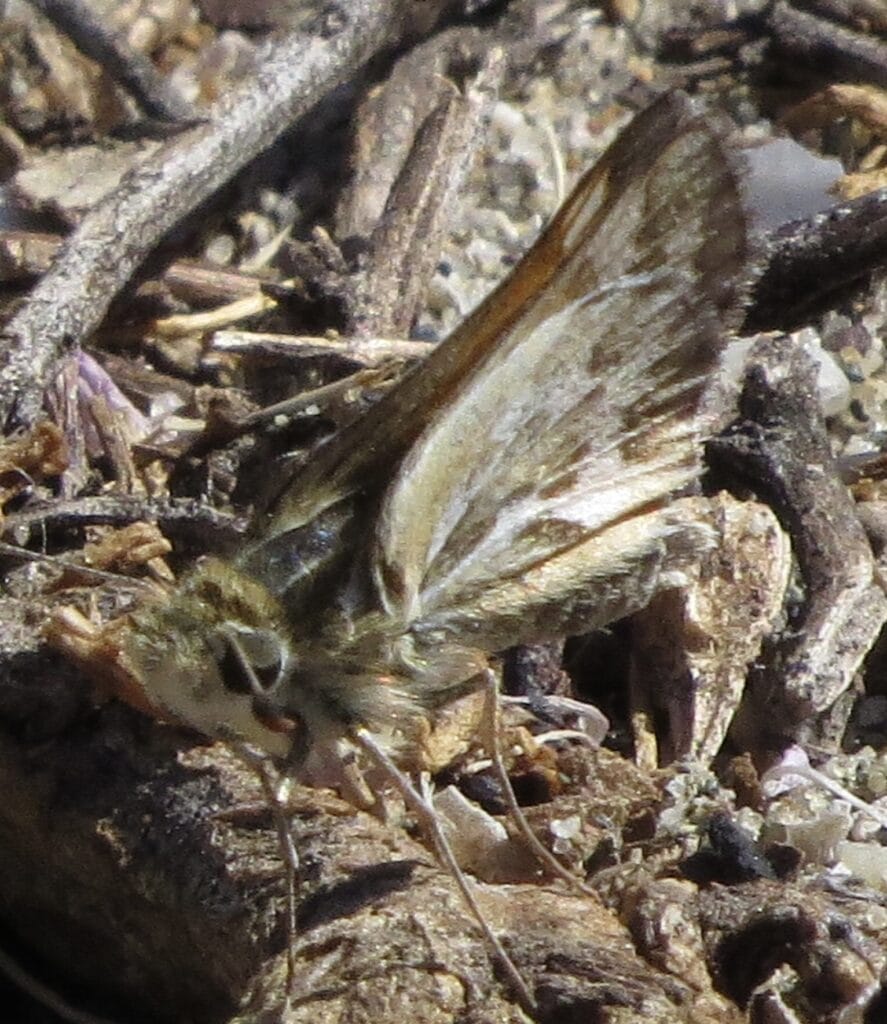 Sandhill Skipper butterfly by Liam O’Brien
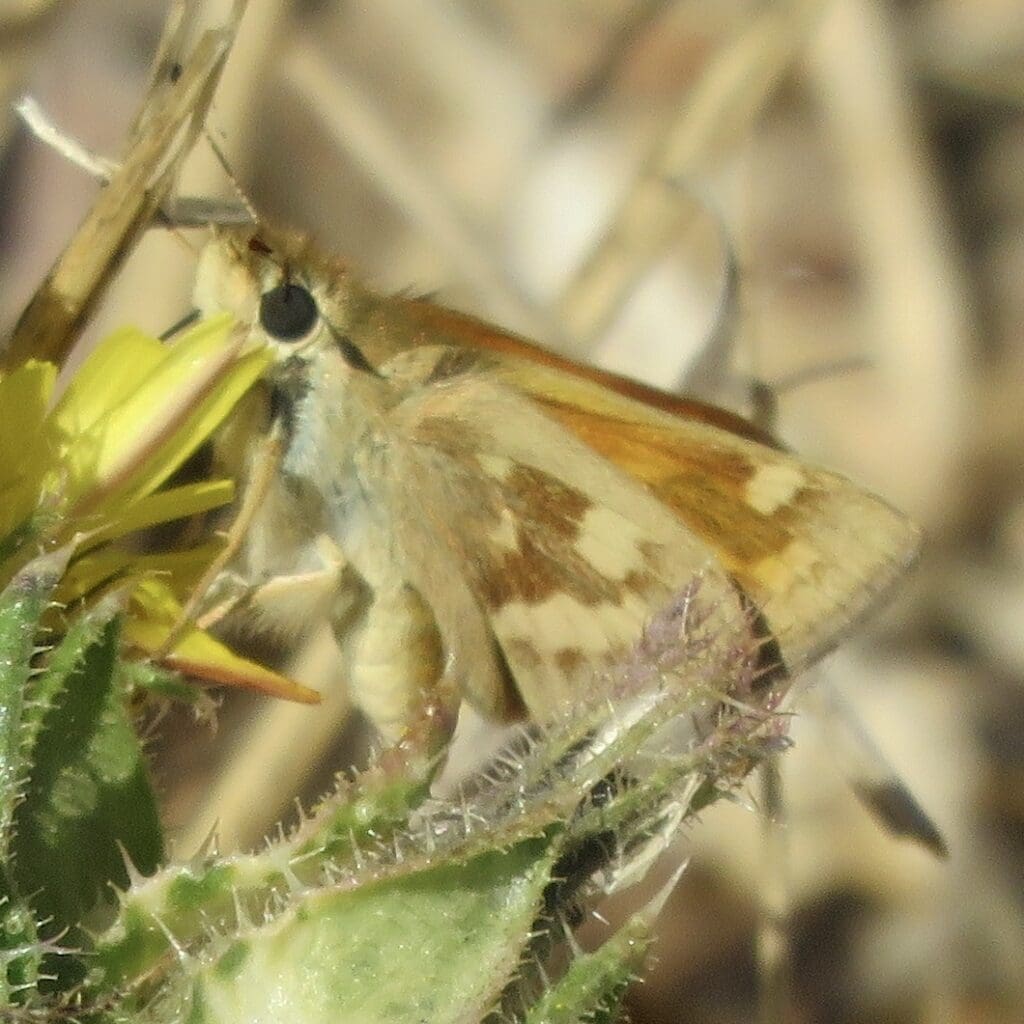 Woodland Skipper butterfly by Liam O’Brien
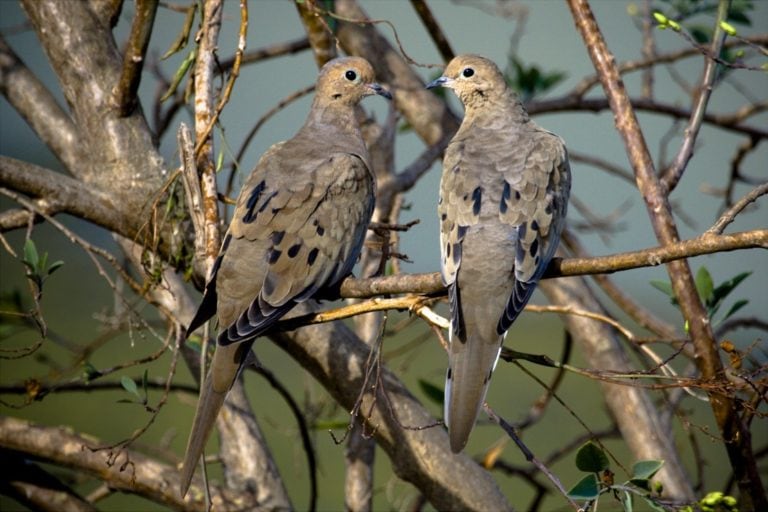
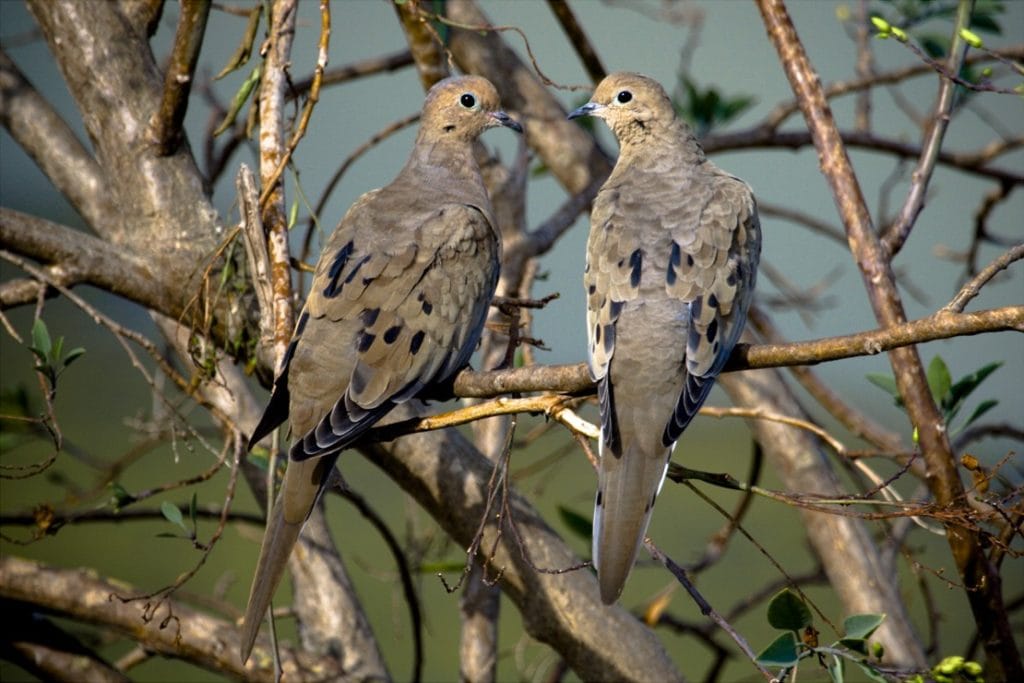 Mourning Doves by Sivaprasad R.L.
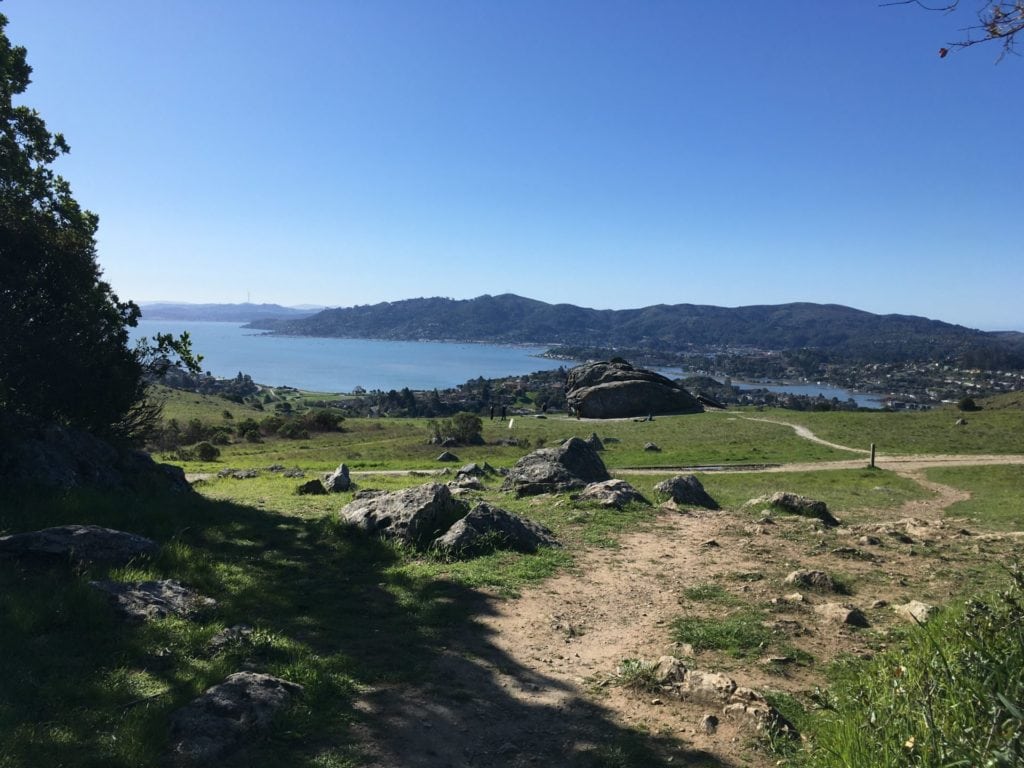 Ring Mountain, in one of Brandy’s Breeding Bird Atlas survey areas. She saw a Vesper Sparrow there in April and a Rufous-crowned Sparrow in May. / Photo by Brandy Deminna Ford